
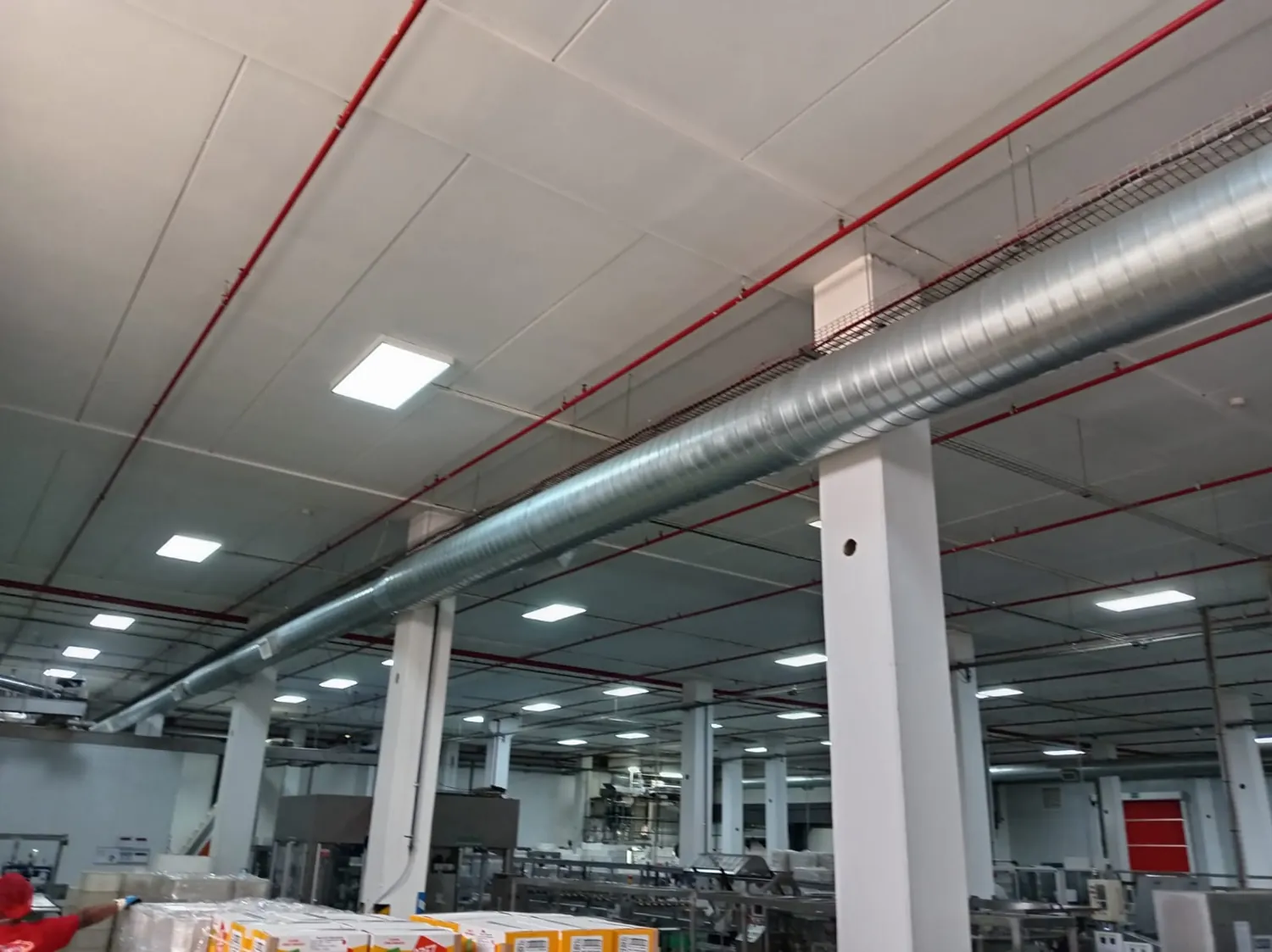
Equipment requirements and operating conditions
A damaged or heavily fouled impeller can produce excessive vibration, noise and reduced extraction performance. The cause may be abrasion, corrosion, impact, deposited material or operation outside the intended duty. We assess industrial fan impeller problems in the context of the connected process and the condition of the wider fan assembly.
How we scope the work
Technicians look for visible blade damage, rubbing, deposits, loose components, bearing symptoms and signs of repeated material contact. We also ask whether the connected ductwork, filter resistance or operating speed has changed. Vibration at a casing is a symptom, not a diagnosis of impeller failure on its own.
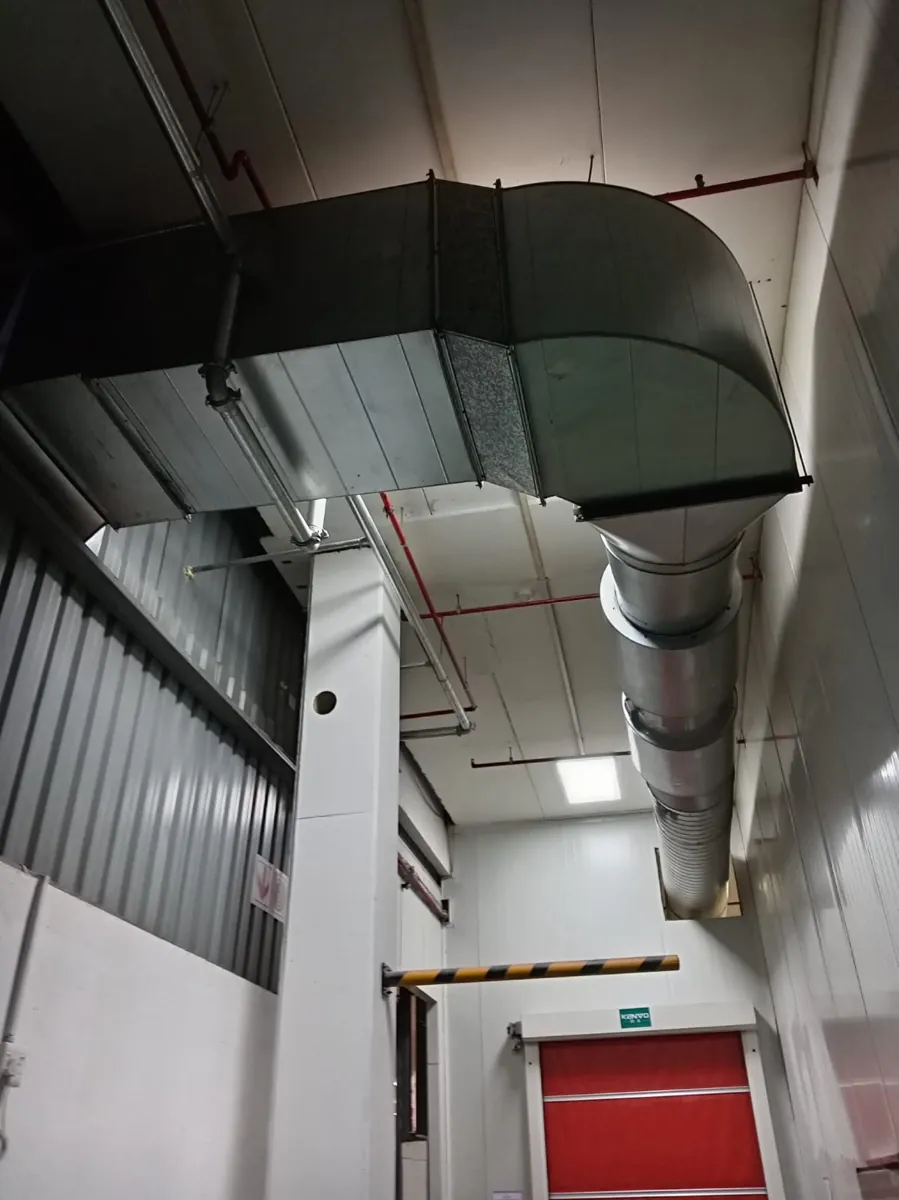
Manufacturing, installation or service approach
Depending on the fan, repair work may involve cleaning, inspection, component replacement or arrangements for specialist balancing and fabrication. Where damage is severe or the original specification cannot be established, a replacement impeller or complete fan may be more appropriate. We discuss the safe removal method and maintenance access before work begins.
Technical safeguards and limitations
Rotating machinery must be isolated before inspection. Impeller repairs can affect balance and structural integrity; any required balancing or verification should be explicitly scoped rather than assumed. Fans handling hot, corrosive or potentially explosive streams need specialist suitability checks.
What to provide for a quotation
Share the fan nameplate, speed information if available, photographs, vibration or fault observations and details of the process air. Access arrangements and downtime constraints help determine whether a practical repair assessment can be undertaken on site.
Discuss the scope with our technical team
Impeller damage and the effect on the plant
Uneven deposits, erosion at blade tips and mechanical damage can produce vibration that transfers into ducting and structural supports. A unit that has suffered blade damage should not simply be restarted after loose material is removed. The likely cause—including incoming debris, abrasive dust, moisture or accumulated residue—needs to be considered to avoid another failure.
Repair or replacement decisions
We inspect the impeller and accessible casing for clearance problems, rubbing, cracking and distortion. Appropriate specialist balancing or material assessment may be required depending on duty and damage; we will define those requirements rather than claiming every impeller can be repaired on site. Provide wheel dimensions, rotation direction, fan identification and operating conditions with your enquiry.
Request a project quotation
Fault patterns and repair decisions
Impeller repairs require more than welding a visible crack. Blade erosion, uneven buildup and shaft fit can affect balance and cause further bearing damage. We examine the construction material, wheel type, rotation direction and whether the duty carries solids or hot air. The casing and inlet should also be checked for contact marks or an underlying system restriction. Depending on condition, repair may be less appropriate than replacement. Any approved work must maintain safe clearances and be verified by competent rotating-equipment personnel.