
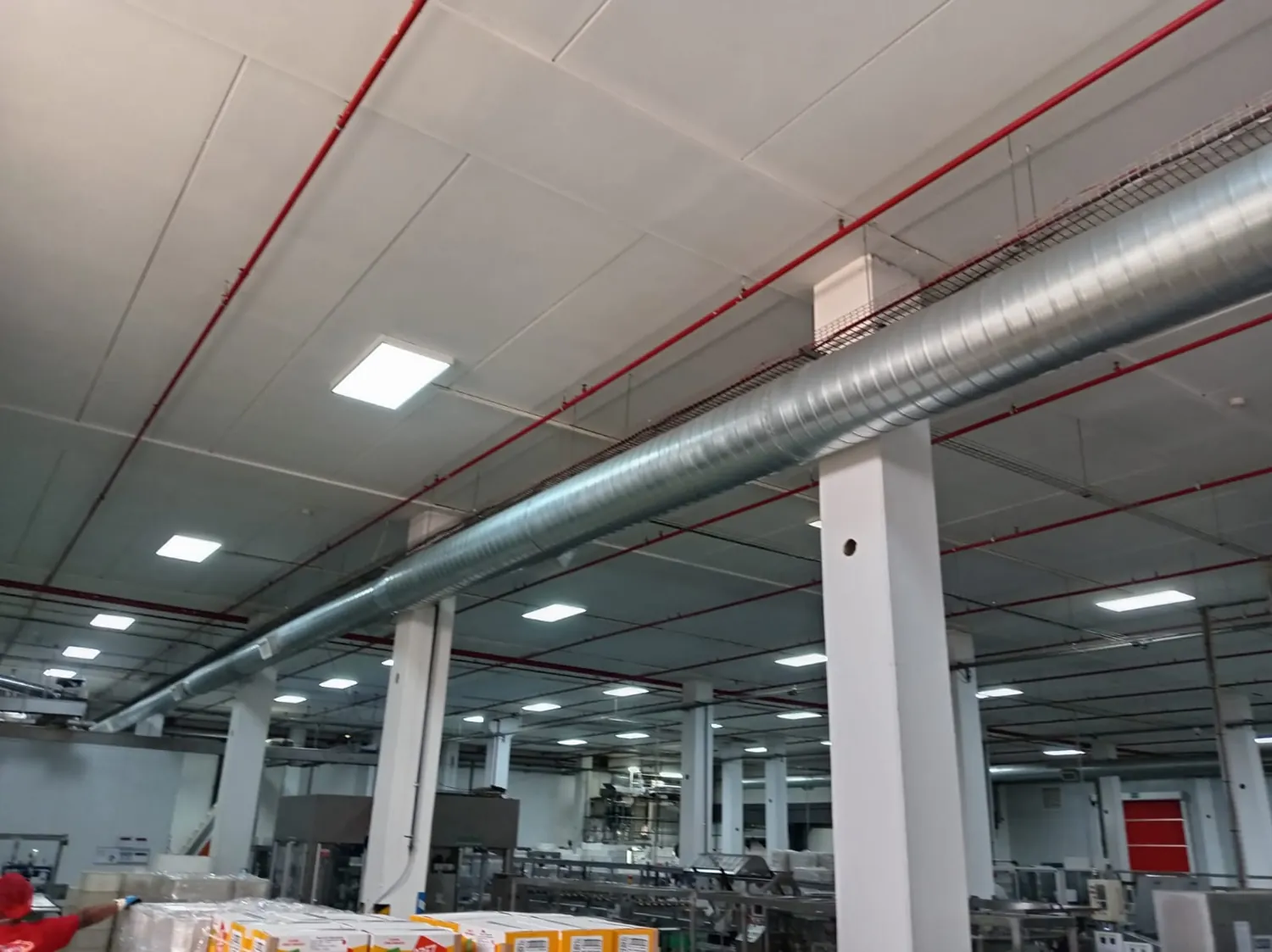
The project requirement
Kitchen extraction problems often have more than one cause. When cooking smoke escapes the canopy, a replacement fan may not resolve the issue if replacement air, canopy dimensions or appliance placement are wrong.
We look at the cooking line as a working system: appliance heat, canopy overhang, grease filters, duct routing, fan location and make-up air. Busy service periods can expose problems that are not visible when only one appliance is operating.
Assessment and technical decisions
An assessment should consider access for duct cleaning, the route to outdoor discharge and interaction with the building HVAC. Strong extraction without adequate replacement air can create uncomfortable doors, odour migration or reduced canopy capture.
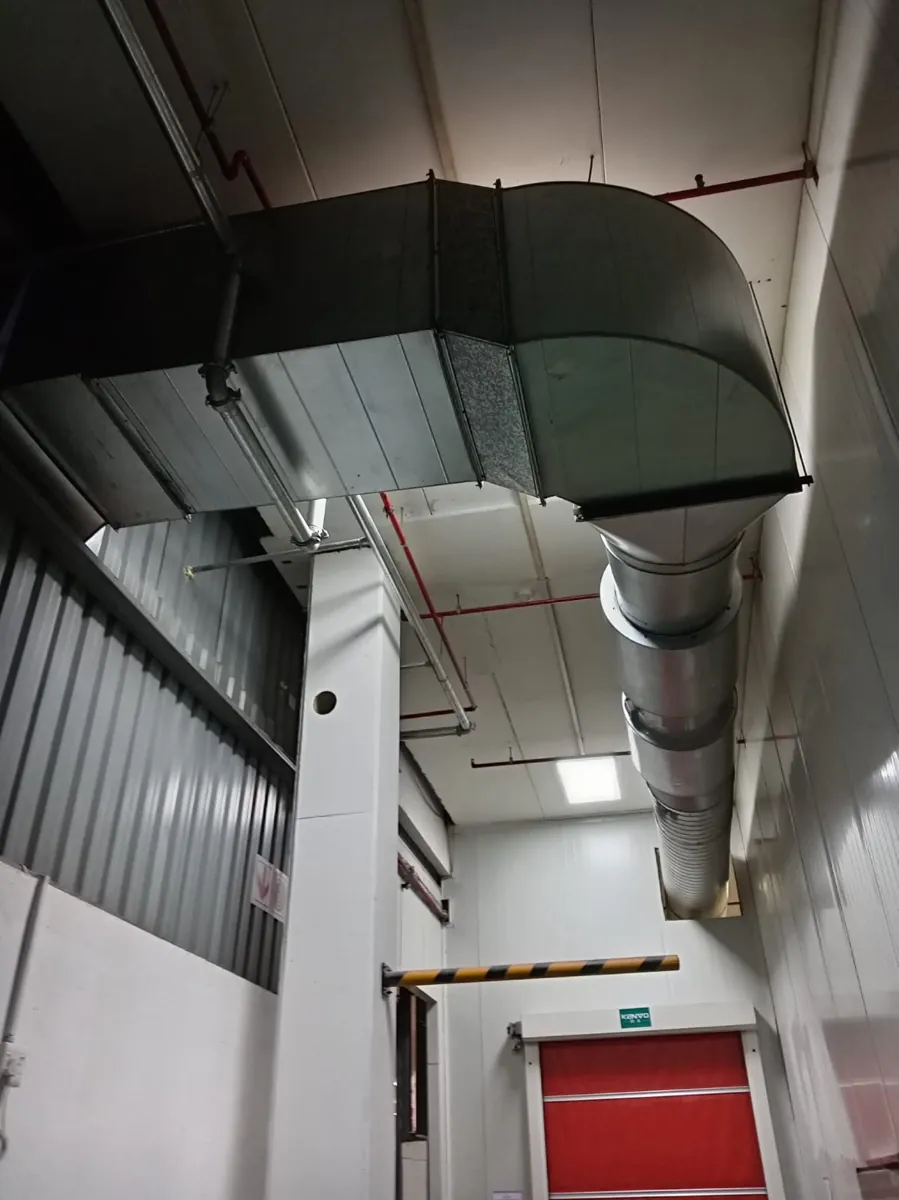
Manufacturing, repair and installation considerations
Possible works include canopy modification, fan repairs, duct access improvements, make-up air changes and a revised extraction layout. We discuss which parts are serviceable and where replacement would be a more practical investment.
Safety and system suitability
Fire and hygiene requirements are specific to the premises, equipment and applicable standards. Our assessment does not automatically certify a kitchen as compliant, and grease-laden systems require appropriate cleaning practices.
Information needed for a quotation
Share photographs of the entire cooking line, equipment list, canopy and fan locations, duct route if known, cleaning records and details of the smoke, heat or odour complaints. We also need the premises location and operating hours.
Long-term performance and handover
Good maintenance arrangements cover grease filters, fans, access panels and the discharge route. We can identify items that should be inspected or cleaned on a planned schedule to reduce recurring problems.
Assessing canopy capture and replacement air
Kitchen extraction must remove grease-laden vapour and heat while allowing cooking operations to run effectively. A noisy fan or lingering smoke may reflect inadequate canopy capture, dirty filters, restricted ducts, fan failure or insufficient replacement air. Each issue calls for a different intervention.
A site assessment should look at cooking equipment, canopy arrangement, fan location, duct route, cleaning access and how incoming air affects the kitchen. Changes to cooking equipment can make an otherwise functional system unsuitable for the current use.
For quotations, share a list of appliances below the canopy, the kitchen layout, photos of the canopy and roof or plant space, and a description of the problem. Compliance and fire-protection requirements must be determined against the applicable project and local rules.
Related services
Explore Commercial Kitchen Extraction Installation →
Equipment and operating considerations
When smoke escapes a canopy, the fan may be only one contributing factor. The hood could be too small for the cooking line, replacement air may be disrupting the plume or filters and ducting may have become restricted. We review what happens during active cooking rather than relying only on a fan running at idle. The assessment should record the appliances, hood geometry, discharge path, makeup air and safe access for inspection. Applicable fire and hygiene obligations must be established for the actual premises.