
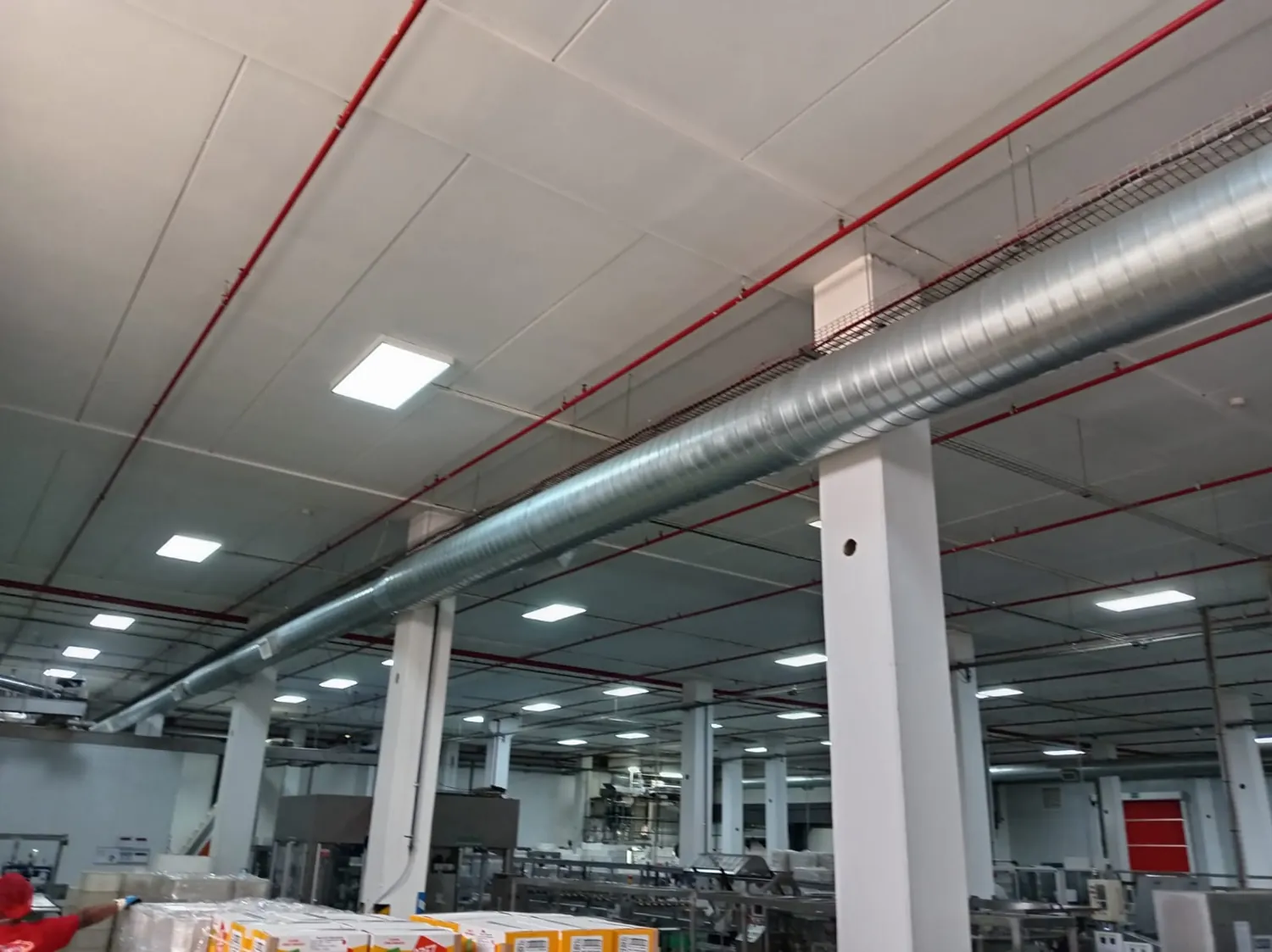
What the work involves
Sites handling bulk minerals or workshop dust in Postmasburg need filtration and collection equipment that remains accessible and stable through changing production loads.
Abrasive particles may damage duct inlets, fans and discharge mechanisms, while overloaded filters change extraction pressure. Missing inspection access can cause small defects to remain undetected until pickup performance deteriorates.
Equipment assessment and diagnosis
We review filter condition, differential pressure where measured, fan behaviour, hopper discharge, seals and wear areas as parts of one connected system.
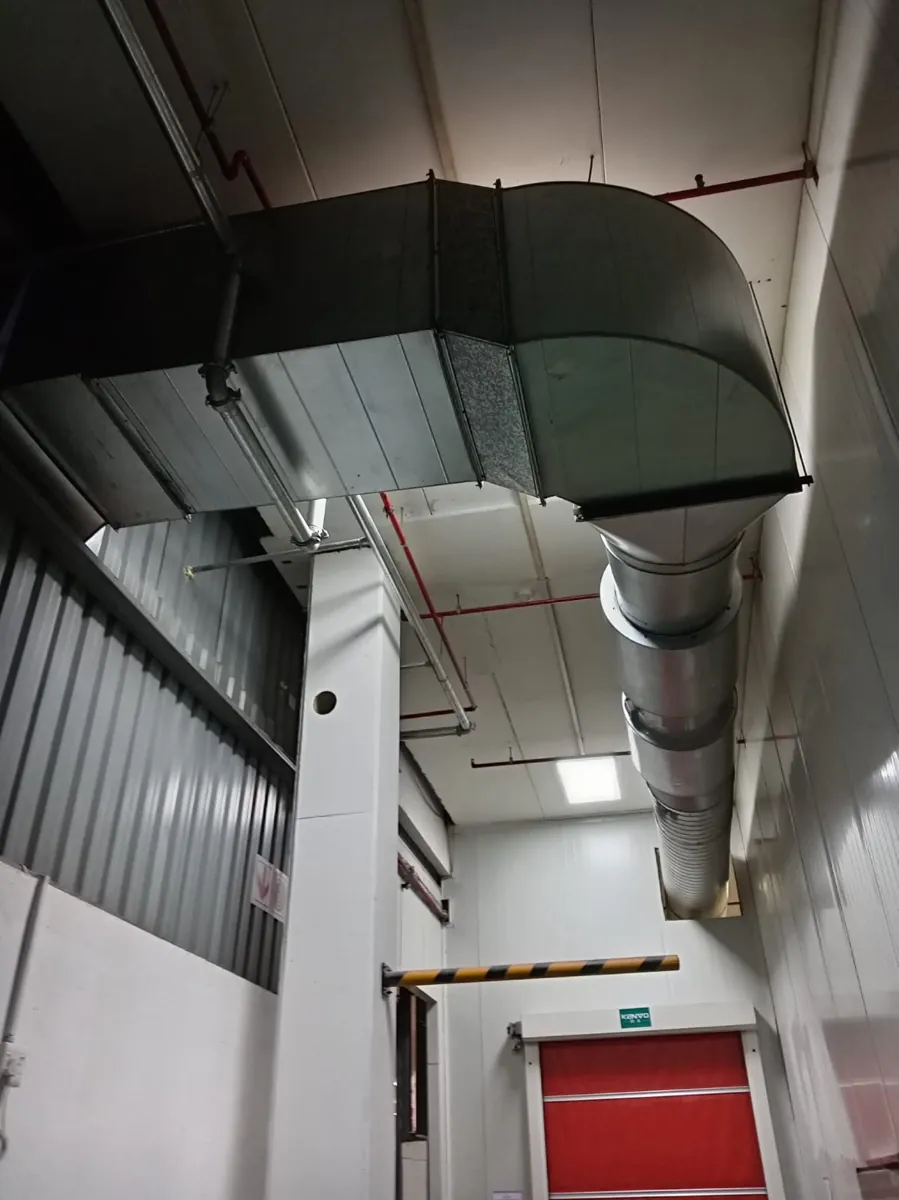
Installation, fabrication or repair scope
A maintenance arrangement may include planned inspections, filter replacement, mechanical repairs and documented recommendations for components nearing end of life.
Technical suitability and safe operation
Potentially hazardous fine dust requires suitable exposure controls and safe servicing methods, including consideration of material combustibility where relevant.
Equipment and operating considerations
Dust collectors near Postmasburg material-handling and workshop operations may see abrasive dust that wears inlet components while loading filters. A service inspection should examine hopper emptying, cleaning-system response and leaks before fitting new media. Where access is limited, maintenance may need to be coordinated with a plant shutdown. We ask for differential-pressure readings if available, the material collected and the last replacement records. Repairs must consider the exposure controls required for that material.
Requesting a project quotation
Provide the collector model, processed material, service history, photos of discharge parts and details of current failure symptoms.
Related engineering service
View related technical services
Maintenance priorities and operating records
A dust collector exposed to mineral-handling duty can lose performance even when the fan remains in operation. Accumulated material in the hopper, failed filter-cleaning equipment or worn inlet components may each alter airflow through the system. The most useful starting evidence includes differential-pressure trends, discharge interruptions and whether dust is appearing on the clean-air side.
For a Postmasburg maintenance enquiry, identify the collected material, collector model and normal production pattern before a shutdown is arranged. Inspecting only filter surfaces can miss damage at abrasive bends and housing seals. Planned work should include safe access to the media, hopper and inlet, plus a record of what was repaired and what operating readings should be checked afterward.
Maintenance handover and site coordination
A practical servicing plan should name the parts that will be inspected during each shutdown: differential-pressure instruments, compressed-air supply if fitted, filter seals, hopper discharge and the condition of the housing. Where the installation handles abrasive dust, the inlet region and leading duct bends merit particular attention. An acceptable handover identifies items replaced, deficiencies needing later attention and the readings the plant team should monitor after restart.
The plant team should identify any equipment that must remain operating during servicing, so isolation boundaries are agreed before personnel open filter or discharge chambers. Collected dust must be handled under the site's approved hazard procedures.