
When your operation needs a properly scoped solution
Poor extraction performance can be caused by clogged, damaged or incorrectly fitted collector filters. Replacing the wrong element can create an expensive cycle of frequent blockages or leakage. We help industrial customers review filter replacement work in the context of the collector design and actual dust being processed.
What we review on site
We ask for the collector identification, existing filter dimensions or part numbers, operating hours, cleaning mechanism and type of dust. Symptoms such as excessive pressure loss, visible dust downstream or repeated alarms may indicate filtration faults, but also require checks for failed seals, cleaning controls and restrictions elsewhere in the system.
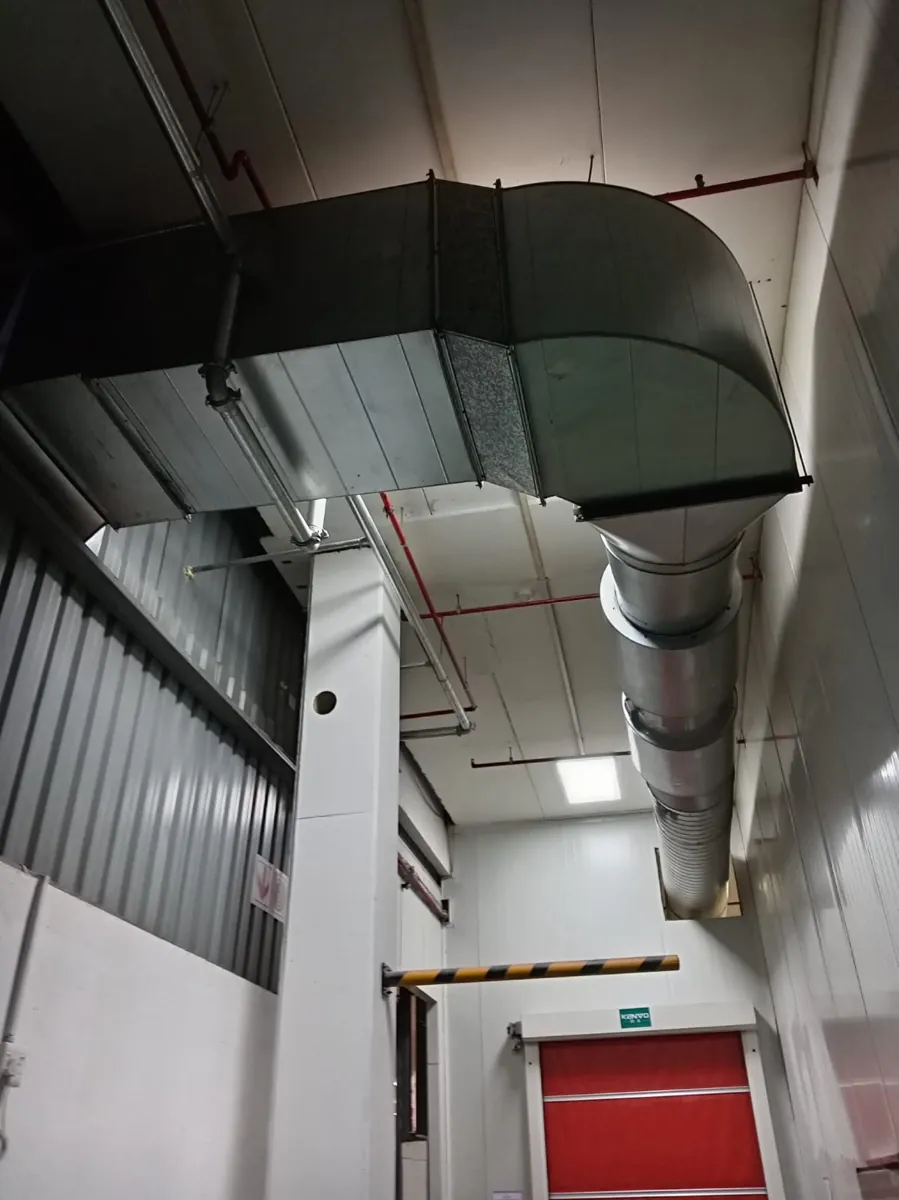
How we approach the work
Where suitable parts are available and the work falls within our scope, we can arrange filter replacement and associated inspection of accessible housings and seals. We discuss whether other repairs should be completed during the same isolation window. Filter media selection must follow the equipment requirements and the material being collected.
Technical suitability and safe operation
Collected dust can be hazardous or combustible. Filter removal, handling and disposal require an appropriate site procedure. A new filter should not be assumed to resolve a design problem or provide proof of regulatory compliance.
Information that helps us prepare your quotation
Provide collector photos, current element references, filter dimensions, dust type and the reason for replacement. If downtime is critical, share the next available shutdown period.
Filter selection and compatibility
A replacement filter must be compatible with the collector arrangement and the actual dust stream. Media type, seal geometry, surface area and cleaning method matter, particularly where fine particulate or moisture is involved. Changing to a visually similar filter without checking these factors can shorten service life.
What a filter change can reveal
Uneven loading, local leakage, damaged seals and repeated cleaning faults may point to problems outside the filter itself. We review the condition of supports, housings and the air path where accessible. Where harmful or combustible dust is present, specialist handling and risk controls must be defined before work.
Preparing a replacement enquiry
Send photos and measurements of the installed filter, unit nameplate details, dust type, operating temperature if relevant and quantity. State whether you need replacement media alone, on-site fitting or a broader performance investigation.
Watch the seals and housing
New filter elements cannot perform properly if contaminated air can bypass damaged seating surfaces or faulty gaskets. Replacement planning includes checking the supporting arrangement.
Equipment and operating considerations
Replacement filtration must match the contaminant and the collector's cleaning method, not just the external element dimensions. We review dust fineness, temperature, moisture and any evidence of abrasion before discussing bags or cartridges. A sudden pressure drop can signal a torn element or bypass leakage; a sustained high reading may indicate filter loading or cleaning failure. We also examine cages, seals and access-door condition. Technicians should identify hazardous dust before disturbing a filter chamber and use an appropriate containment procedure.