Capture close to the welding process
Welding fumes arise at the arc and can spread rapidly through large workshops before general roof ventilation removes them. We assess the position of each welding station, whether operators move around large fabrications and the effect of cross-drafts from doors or fans. Articulated extraction arms, fixed hoods or enclosed capture arrangements may suit different jobs.
Working around cranes and fabrication tables
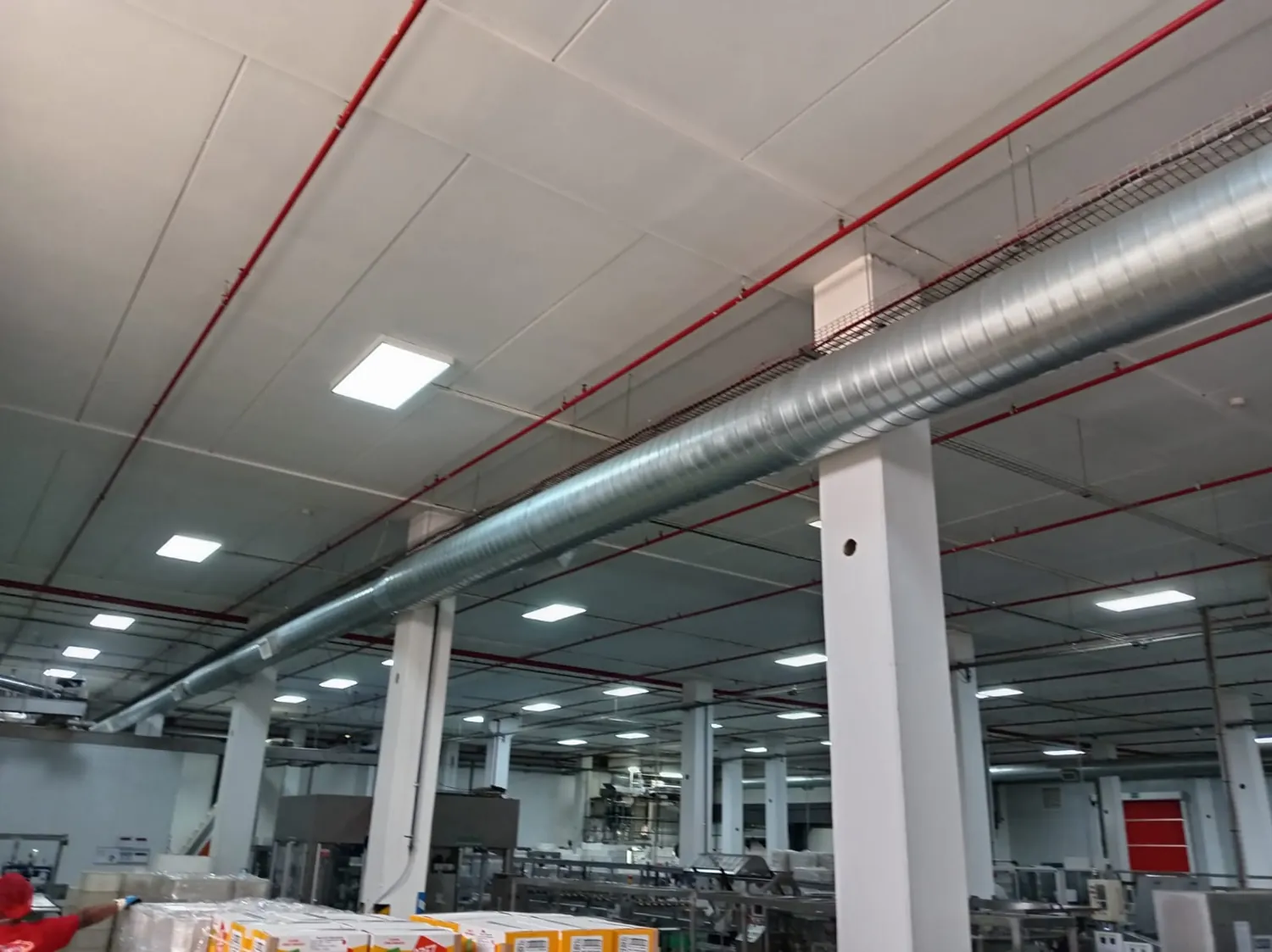
A welding bay needs extraction that does not interfere with overhead lifting, workpiece handling or welder access. Flexible arms require practical positioning, and large components may demand several capture points. We consider duct locations, power supply and service access so the extraction system remains usable rather than being moved out of the way during production.
Filtration and material hazards
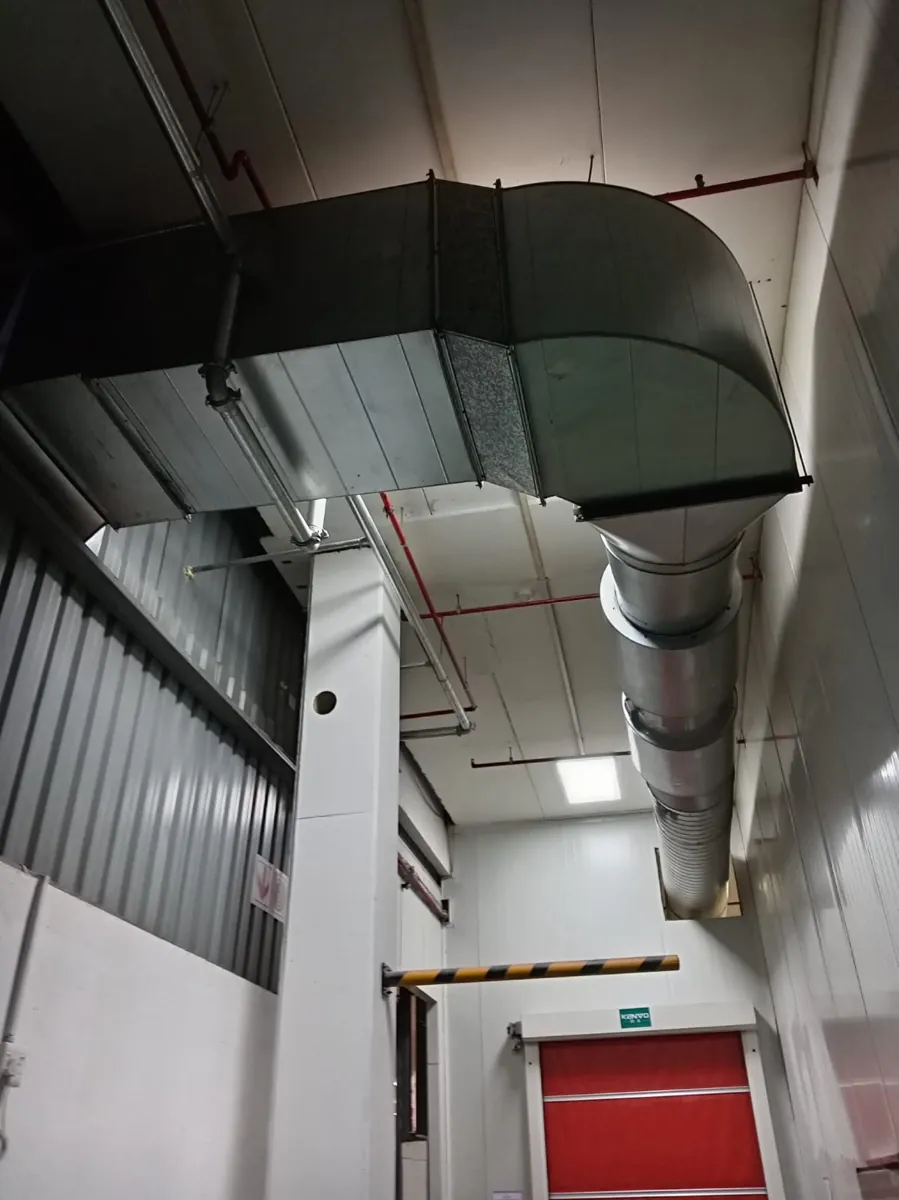
Process details matter: mild-steel welding is not interchangeable with stainless-steel welding or other fume-producing work. Filter media, safe disposal and any air recirculation need an occupational hygiene and specialist assessment appropriate to the materials. Certain processes need additional controls beyond a general-purpose dust collector.
Request a site-based quotation
Equipment and operating considerations
Welding fume capture should be placed close enough to the arc to intercept the plume without interfering with the process. We examine fixed benches, moving weld positions and whether lifting equipment passes above the workstations. Some welding operations generate highly hazardous contaminants, so exposure control requires suitable specialist assessment. Ductwork and filtration must be selected for the actual metal and process; workshop-wide air circulation is not equivalent to local fume extraction. Machine layout and work patterns guide the initial engineering discussion.
Speak to our industrial projects team
Request an industrial extraction assessment
Technical decisions that affect the result
Welding-fume control depends on the welding process, workpiece size and whether work occurs at fixed benches or shifts around the floor. A capture arm may suit a repeatable welding position but can be ineffective if it cannot follow the torch. We look at access for large assemblies and possible cross-draughts that disturb the rising fume.
Provide the welding processes, operating schedule and typical workpiece dimensions when seeking a fabrication or extraction quote. Material coatings and welding consumables can change fume hazards, requiring appropriate exposure assessment. Local capture is distinct from general heat ventilation; the latter does not establish control of welding fumes.
Operating requirements and practical checks
For mobile fabrication tasks, capture equipment should move with the welder and maintain a practical position near the arc. A fixed canopy high above the work may leave the operator breathing the rising fume. We would ask about welding consumables and coatings because the contaminants change with the process. Duct and filter choices must then support the assessed exposure-control need, with suitable performance verification following installation.