Fine particulate at grinding points
Grinding, deburring and polishing release fine airborne particles alongside heavier debris. The capture arrangement depends on whether the work is performed at a fixed bench, on a pedestal grinder or with hand-held equipment moving across a large component. We examine extraction placement, operator movement and the risk of dust escaping the hood during busy production.
Equipment and duct considerations
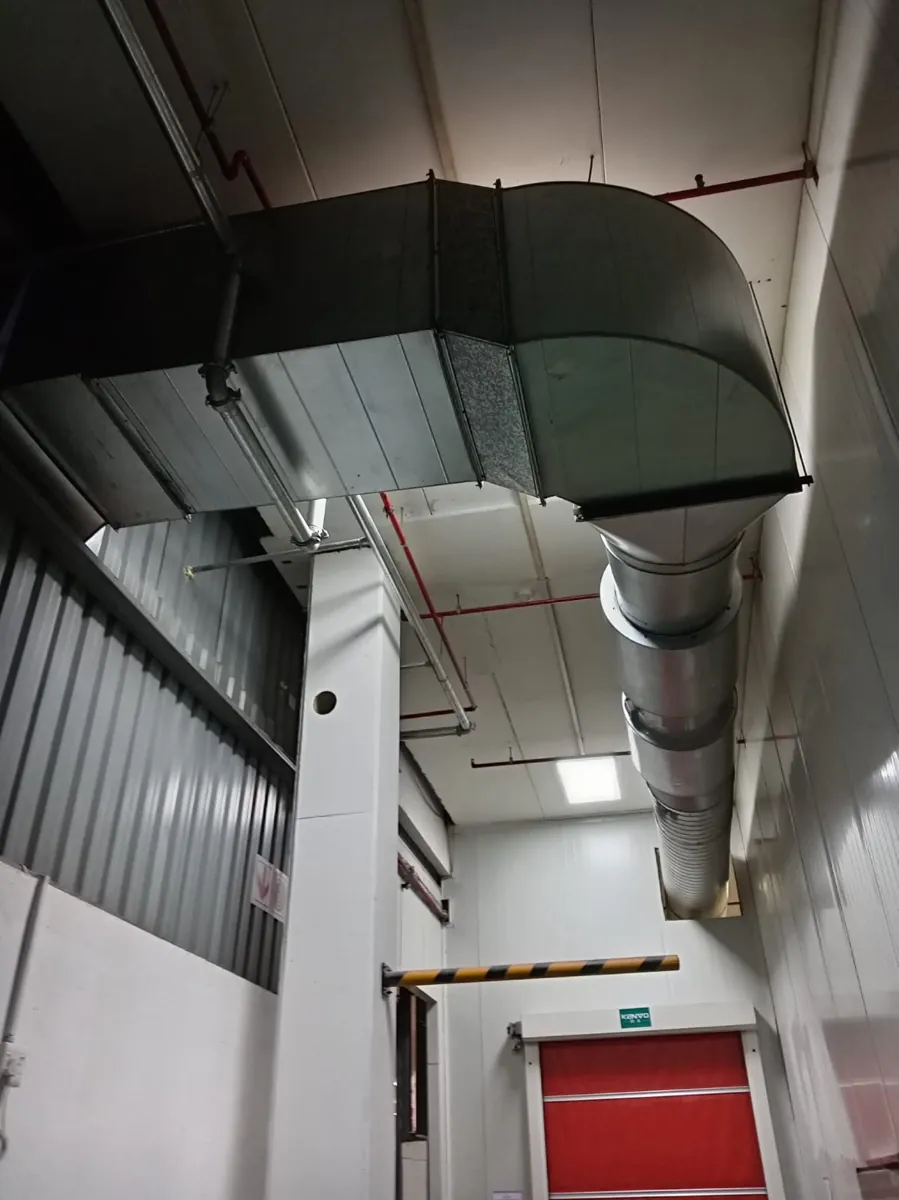
Abrasive dust may wear duct bends and fan components, while sparks or hot fragments can affect downstream collectors. We consider suitable capture benches, separation provisions and service access in light of the actual material and work method. A system designed for timber dust should not simply be repurposed for metal sparks or mixed materials.
Managing material-specific risk
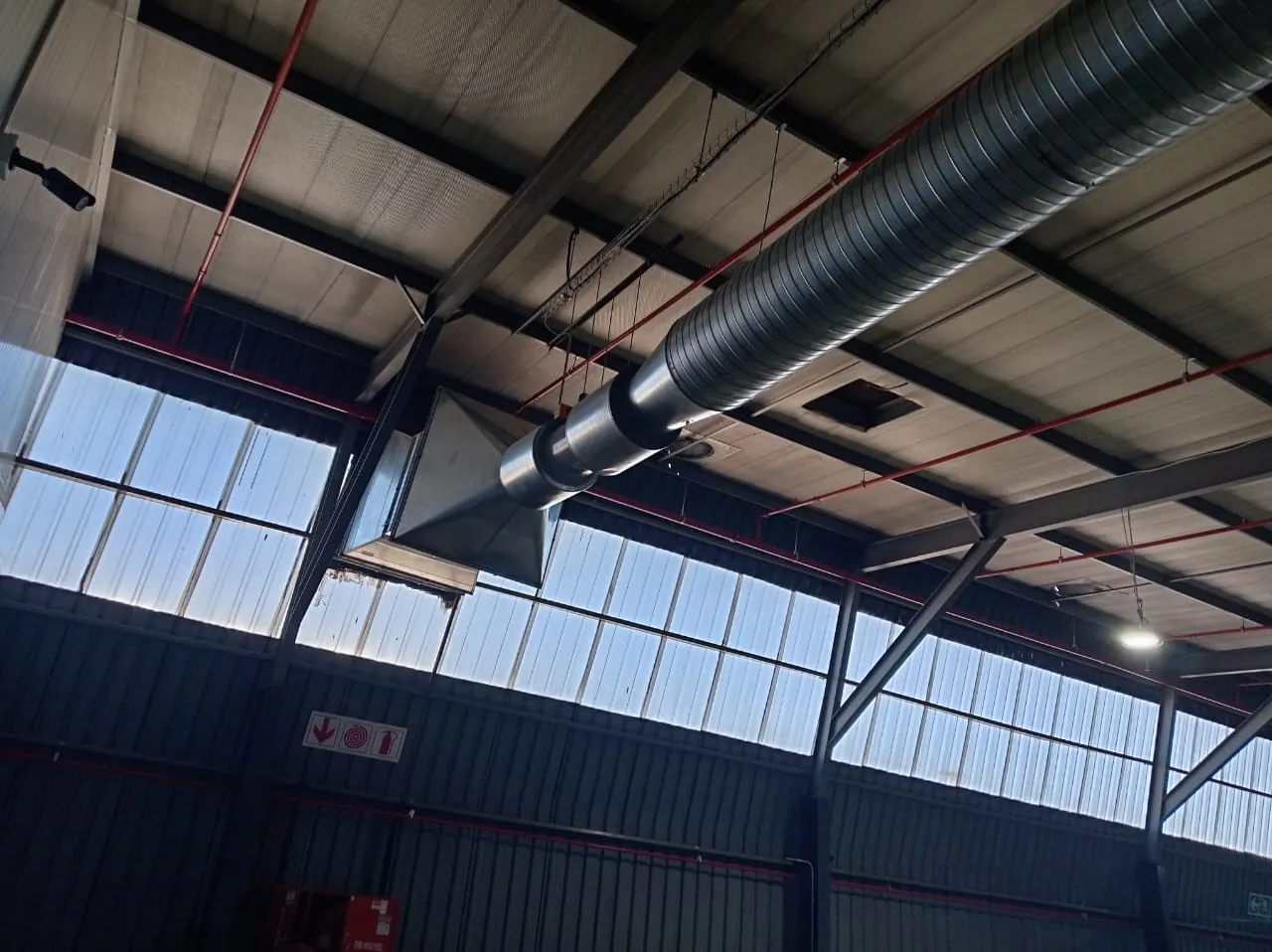
Dust from aluminium, magnesium and certain other metals can introduce combustible-dust hazards. Collection approaches, separation of incompatible materials and fire or explosion protection need competent specialist design. We do not assume one filter or one shared collector is suitable for every grinding station within a mixed fabrication shop.
Request a site-based quotation
Equipment and operating considerations
Grinding and polishing throw particles along a tool-dependent path. A hood that sits too far from the contact point may capture little material even with a larger fan. We discuss abrasive wheels, workpiece size, operator movement and whether the process also generates sparks. Duct and collector equipment must be compatible with the actual material and ignition risks. We consider cleanout access and localized wear where heavy particles settle, along with how the workbench can be used safely during normal production.
Speak to our industrial projects team
Request an industrial extraction assessment
Technical decisions that affect the result
Grinding and polishing can release fine particulate, hot sparks and larger abrasive debris within the same workshop. Capture must be positioned close enough to the tool to intercept the plume without restricting the operator's movements. Spark management and the filter medium cannot be selected solely from an assumed airflow figure.
An enquiry should identify the metal or other material worked, abrasive processes, number of simultaneous stations and whether wet processes are used. Dust combustibility and other exposure hazards need competent assessment. Extraction arrangements should also allow for safe removal of collected grit and inspection of worn duct sections.
Operating requirements and practical checks
A grinding system should address sparks and heavy grit in the duct route as well as fine dust reaching the final collector. We would determine whether materials are combustible, flammable or otherwise hazardous before selecting a filter arrangement. The location of the pickup also needs to suit operators using different workpieces and tool positions. Removable cleanout sections can help prevent concealed accumulations where heavy debris settles near a bend.