
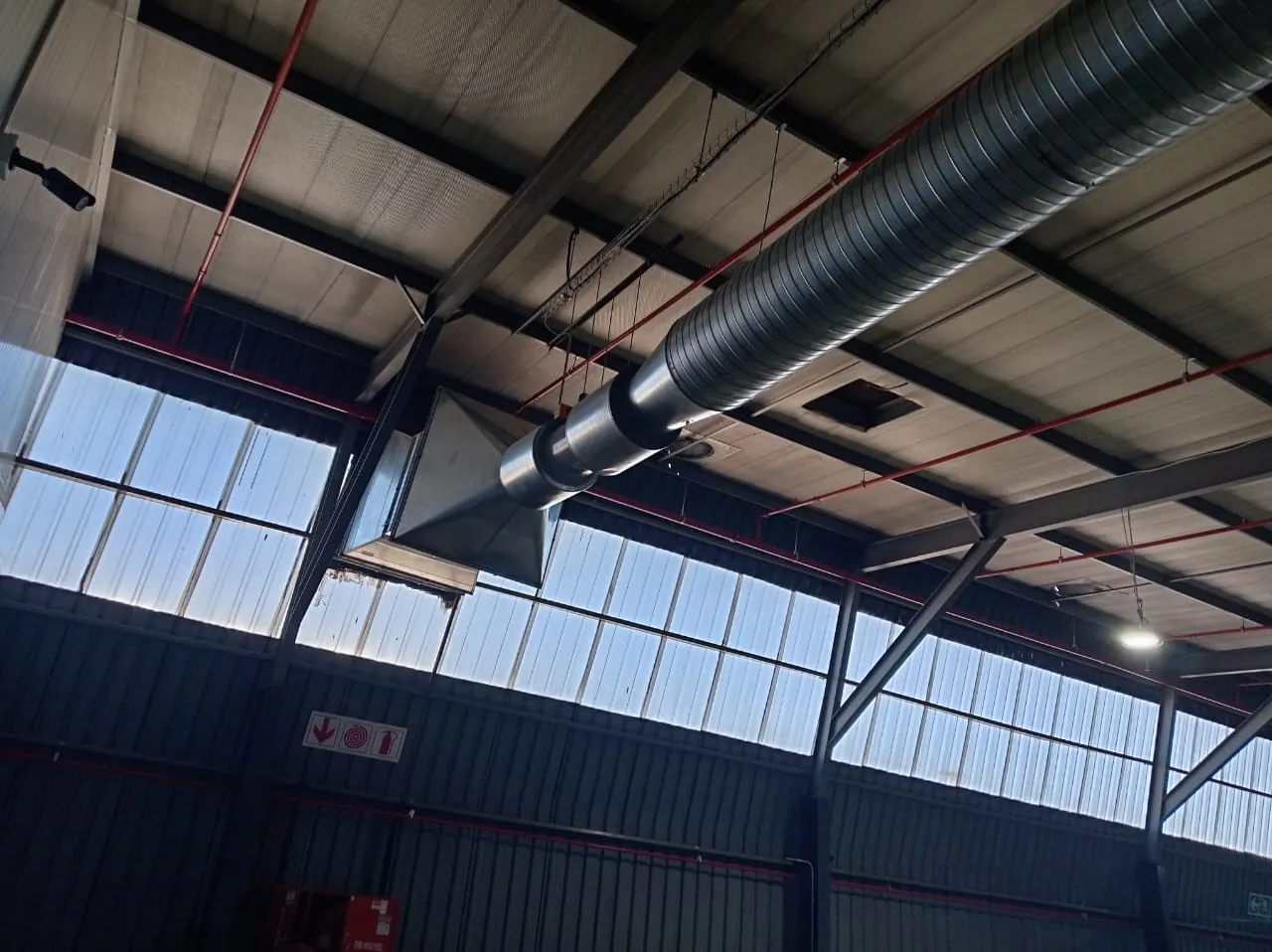
Chillers support larger building loads
Chilled-water systems may serve office complexes, commercial facilities or specialist plant, with cooling delivered through air handlers and terminal units. Maintenance planning has to consider the chiller itself, water-side operation, pumps, controls and heat-rejection equipment. We evaluate the requested scope and availability of suitably qualified specialist support for the installed system.
Operating condition and records
Temperature trends, alarms, service logs, water treatment records and equipment identification are important starting points. Poor water flow or fouled heat-transfer surfaces may affect performance without an obvious mechanical failure. An assessment should establish whether the complaint is local to the chiller or part of the distribution system.
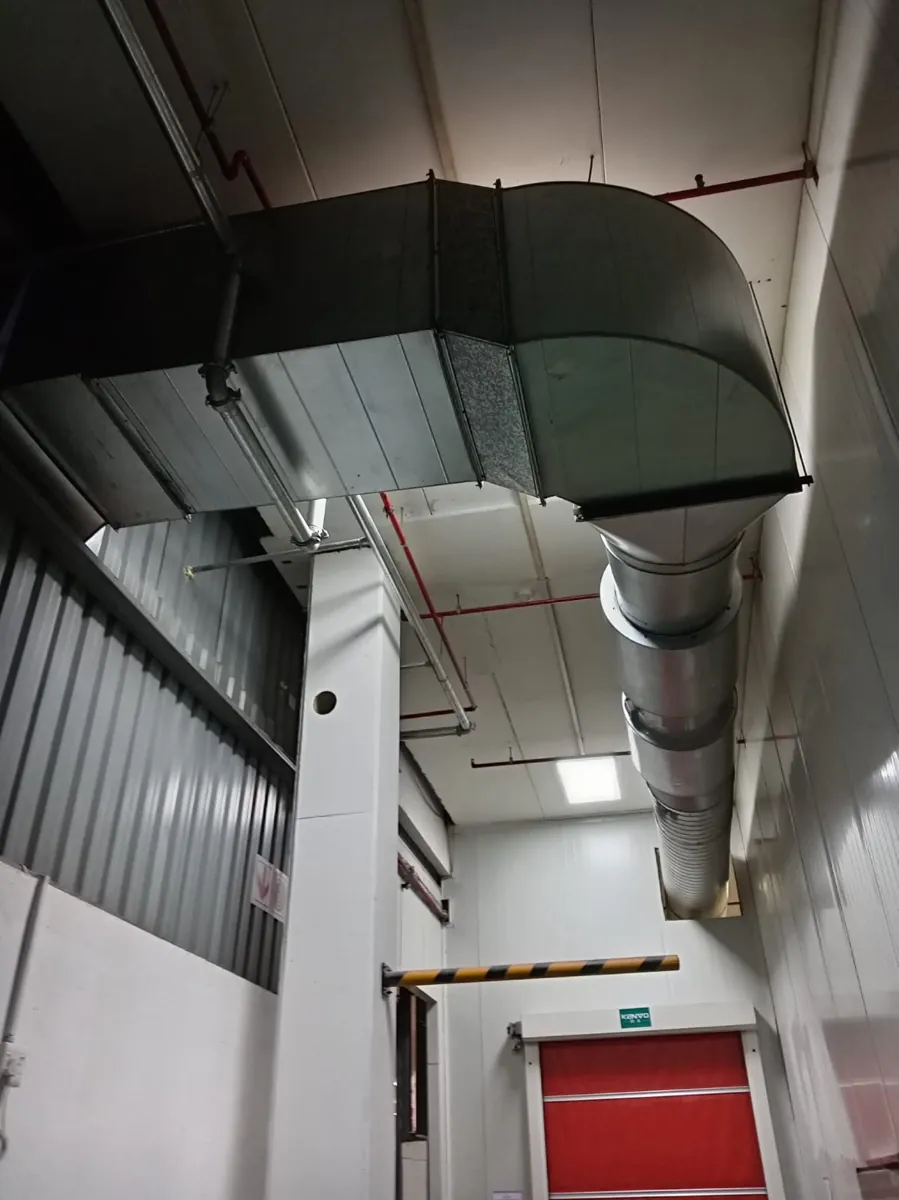
What servicing may involve
Appropriate maintenance may cover accessible filtration, controls checks, mechanical inspection and coordination of specialist refrigeration and water-treatment tasks. High-capacity refrigerant systems and electrical equipment must only be worked on by competent, authorized personnel. We will not claim to provide manufacturer-certified work without verification.
Managing operational risk
Chiller shutdowns can affect multiple building zones or processes. Planned work should consider redundancy, seasonal demand and any controlled cooling requirement. A maintenance recommendation should explain which tasks can be completed during operation and which need an isolation window.
Enquire with plant information
Provide the chiller make, model, capacity if known, a plant diagram, alarms, recent service records and the areas supplied. We can determine the appropriate initial review and whether specialist subcontracting or referral is required.
Equipment and operating considerations
Chilled-water maintenance includes hydraulic and controls performance, not only the compressor circuit. Pump operation, strainer blockage, heat exchanger fouling and condenser conditions may reduce useful cooling. We review alarm trends, entering and leaving water temperatures and previous servicing before outlining further investigation. Plant shutdowns must account for redundancy and critical building loads. Where specialist refrigerant or water-treatment work is necessary, appropriately competent personnel must carry it out under an agreed scope.
Discuss your project with our team
Request an HVAC project assessment
Maintenance priorities and operating records
Chiller preventive maintenance should focus on the duty supplied and how the system behaves under normal demand. Pump operation, heat-exchanger conditions, control alarms and water-side restrictions can affect performance even when a compressor starts. We would review trend data and the connected cooling circuit before proposing corrective work.
A facilities team should provide chiller identification, water temperatures, fault history and the areas or processes served. Water chemistry, pressure-system safety and refrigerant work require appropriately competent specialists. Planned maintenance must recognize the availability of standby equipment and the consequences of taking one unit offline.
Maintenance handover and site coordination
Maintenance planning is stronger when the operator can compare normal inlet and outlet water temperatures, alarm patterns and run hours between visits. A drift in performance may point to fouling or restricted flow rather than an immediate compressor failure. We would confirm whether standby capacity allows a unit to be isolated without interrupting the building or industrial process. Water quality and refrigerant-side interventions require suitable specialist competence.