
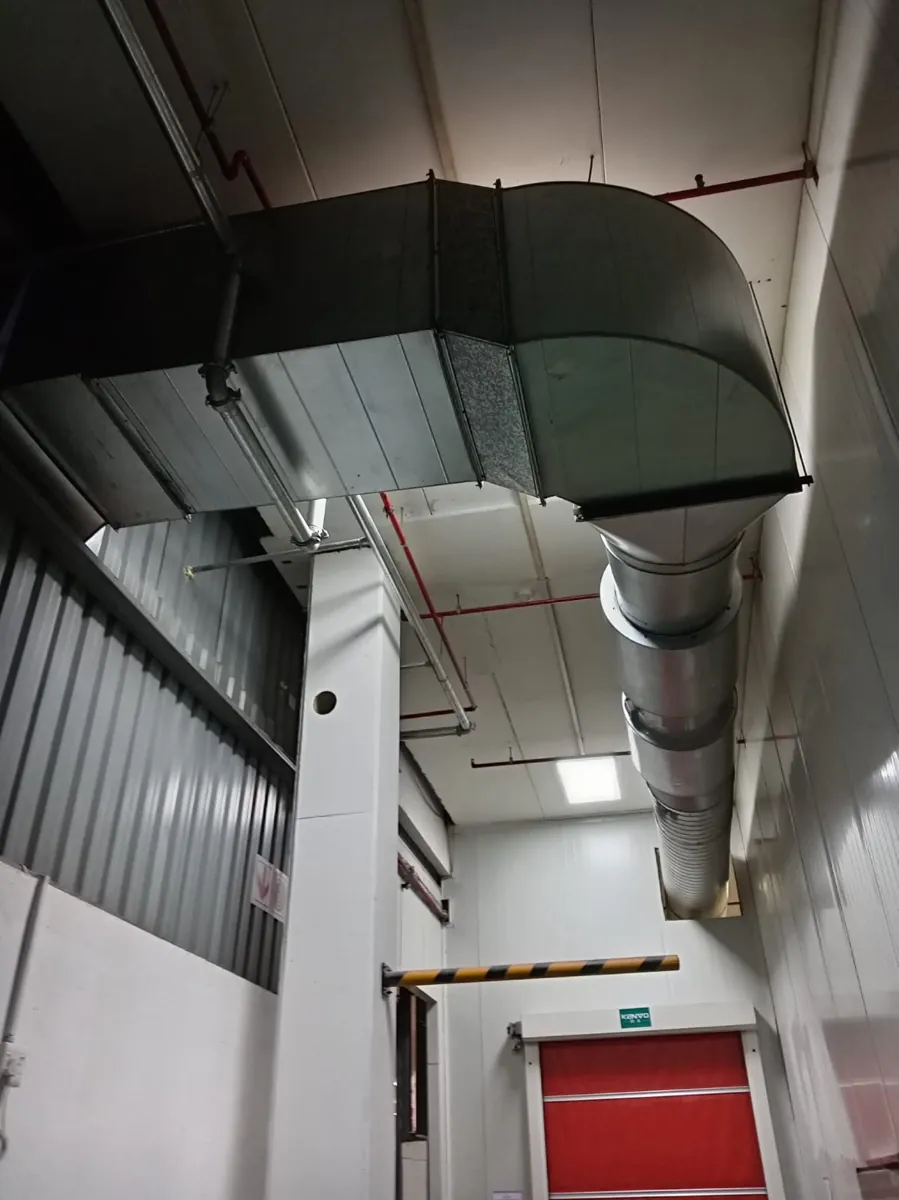
Maintenance for facilities that cannot afford surprises
Commercial buildings often rely on multiple air-conditioning units operating for long hours. A neglected component can affect a meeting room, tenant floor or public-facing facility at the worst time. We discuss preventive HVAC maintenance with facilities managers to address recurring faults, deterioration and service accessibility before they become urgent breakdowns.
What the inspection should cover
The condition of filters and coils, fan operation, condensate drainage, mounting integrity, electrical connections and controls all matter. Service actions must reflect the manufacturer’s instructions, site conditions and the actual equipment. For ducted systems, airflow complaints may be linked to return-air restrictions or diffuser adjustments rather than the refrigeration equipment alone.
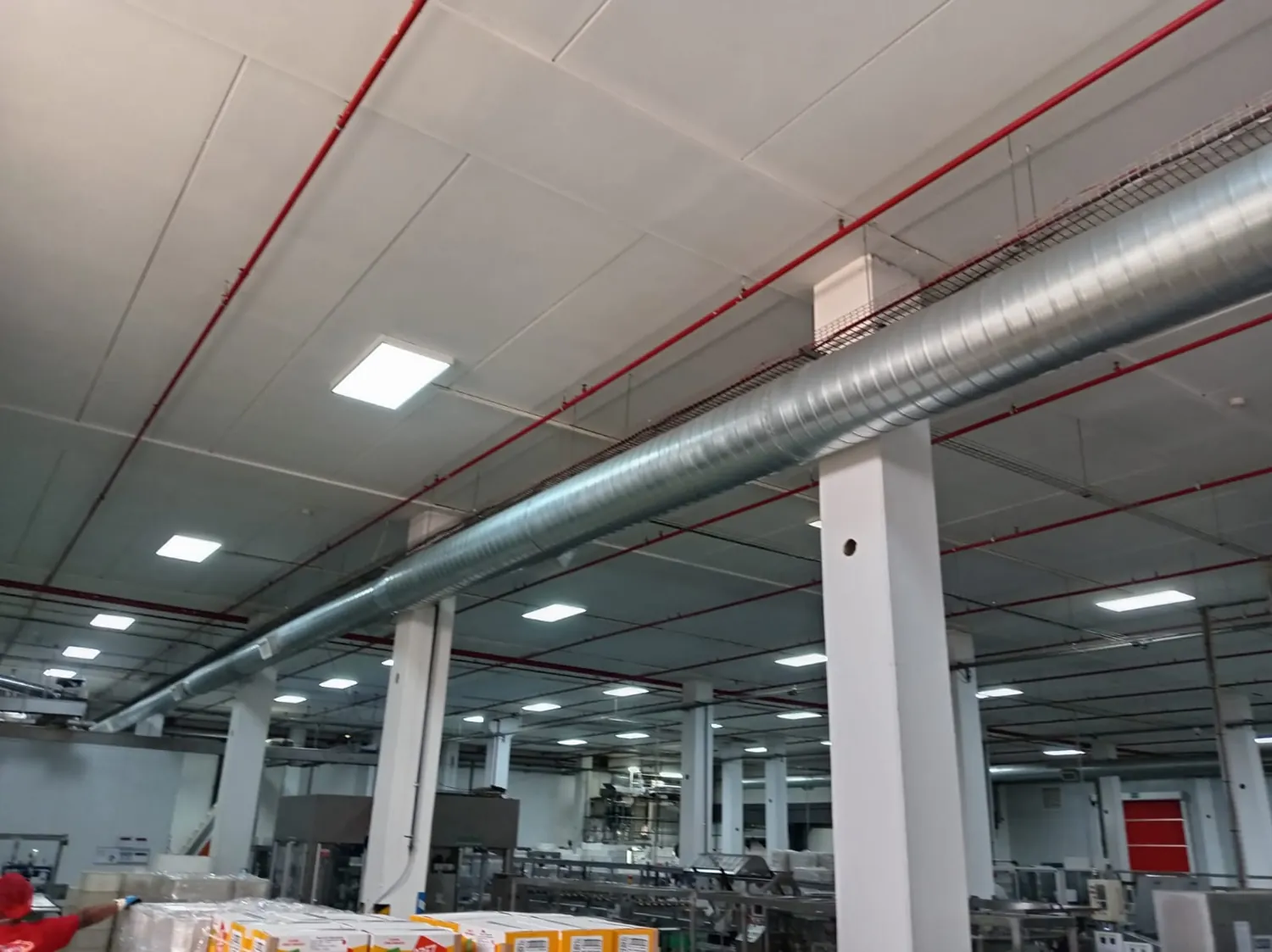
Scheduling around occupancy
Maintenance intervals are not identical for every site. A dusty workshop office, retail centre and quiet administrative block have different contamination loads and access constraints. We plan work around opening hours, safe equipment isolation, rooftop access and any permit requirements so managers know where disruption may occur.
Documentation and decisions
A useful maintenance visit should identify which defects have been corrected, which require parts, and which require capital planning. Recurring leaks or repeated electrical failures deserve documented follow-up. Where units approach the end of their useful life, we can discuss repair versus replacement considerations without promising a fixed lifespan.
Request a maintenance scope
Share an asset list, site address, unit types, approximate quantities, operating hours and any known fault history. If a register is unavailable, photographs and a walk-through can help define the equipment inventory before a recurring service proposal is agreed.
Equipment and operating considerations
An effective maintenance plan identifies assets individually and distinguishes frequently serviced equipment from units that need periodic specialist attention. We ask for an inventory with makes, models and access arrangements, then consider filter fouling, coil hygiene, drains, controls and operating-hours exposure. Sites with extended trading hours may need work outside occupied periods. Reporting should state what was inspected, what was cleaned, what needs repair and which plant requires further specialist testing.
Discuss your project with our team
Maintenance by equipment duty
A heavily used restaurant unit and a lightly occupied office unit should not automatically receive identical service schedules. We consider runtime, environment, filter loading, coil condition, condensate management and observed performance. Repeated drainage issues or restricted airflow may require correcting an installation problem rather than scheduling more frequent cleaning alone.
Reporting for property and facility managers
A useful visit record identifies the assets inspected, observed defects, urgent safety matters and recommended follow-up. We can structure maintenance discussions around asset registers, access arrangements and operating windows so planned work is easier for facilities teams to coordinate.