The work and operating conditions
Commercial kitchens in Bloemfontein need extraction that manages cooking effluent, grease and heat without creating uncomfortable or unstable conditions for kitchen staff.
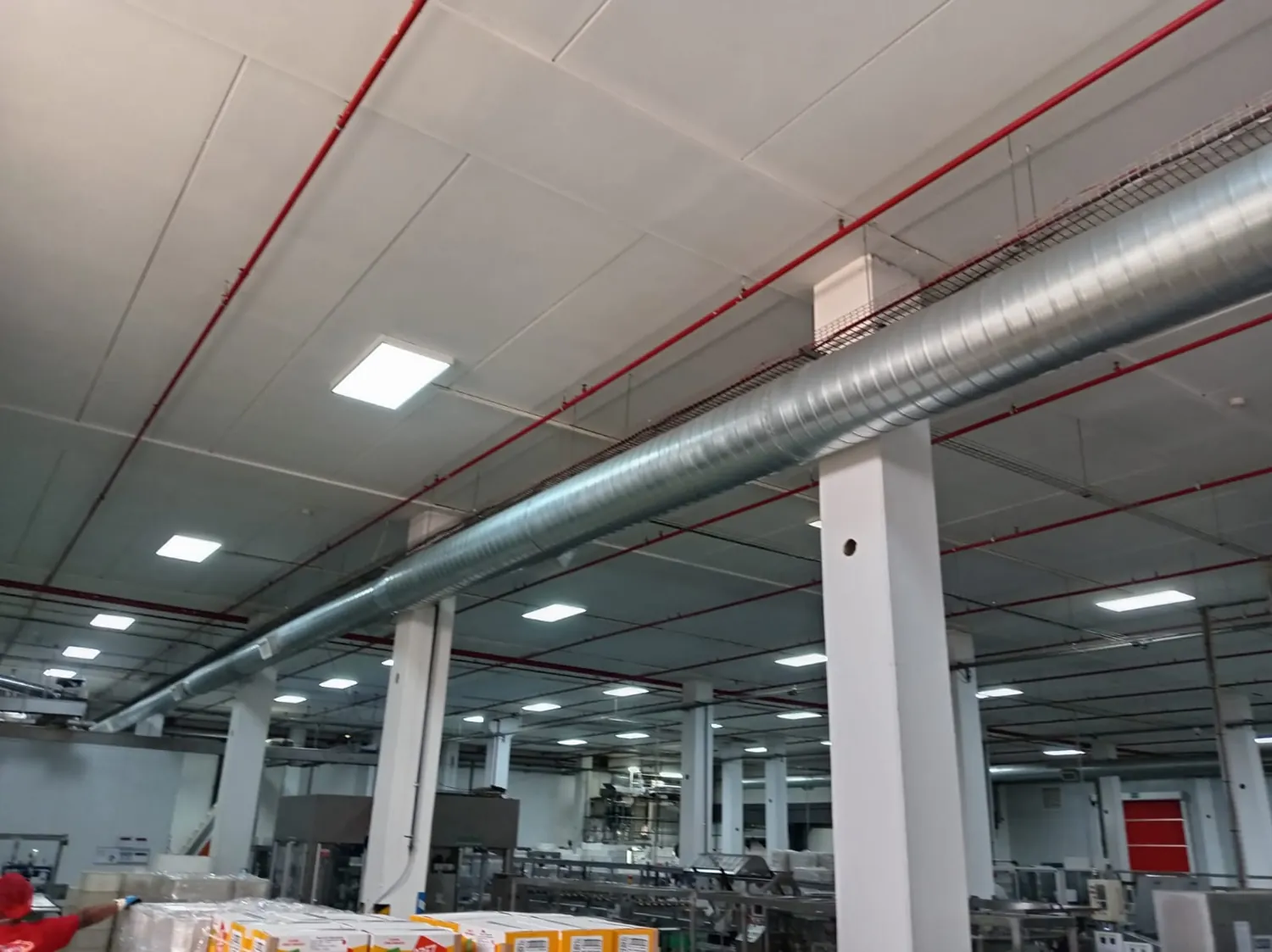
Canopy capture varies with equipment location, cooking load, side draughts and replacement-air supply. Poor duct access makes grease maintenance difficult over the life of the system.
How we investigate the requirement
We review the cooking line, canopy position, duct routing, grease filtration, fan duty and access for cleaning before scoping installation or remedial work.
Manufacturing, installation and repair approach
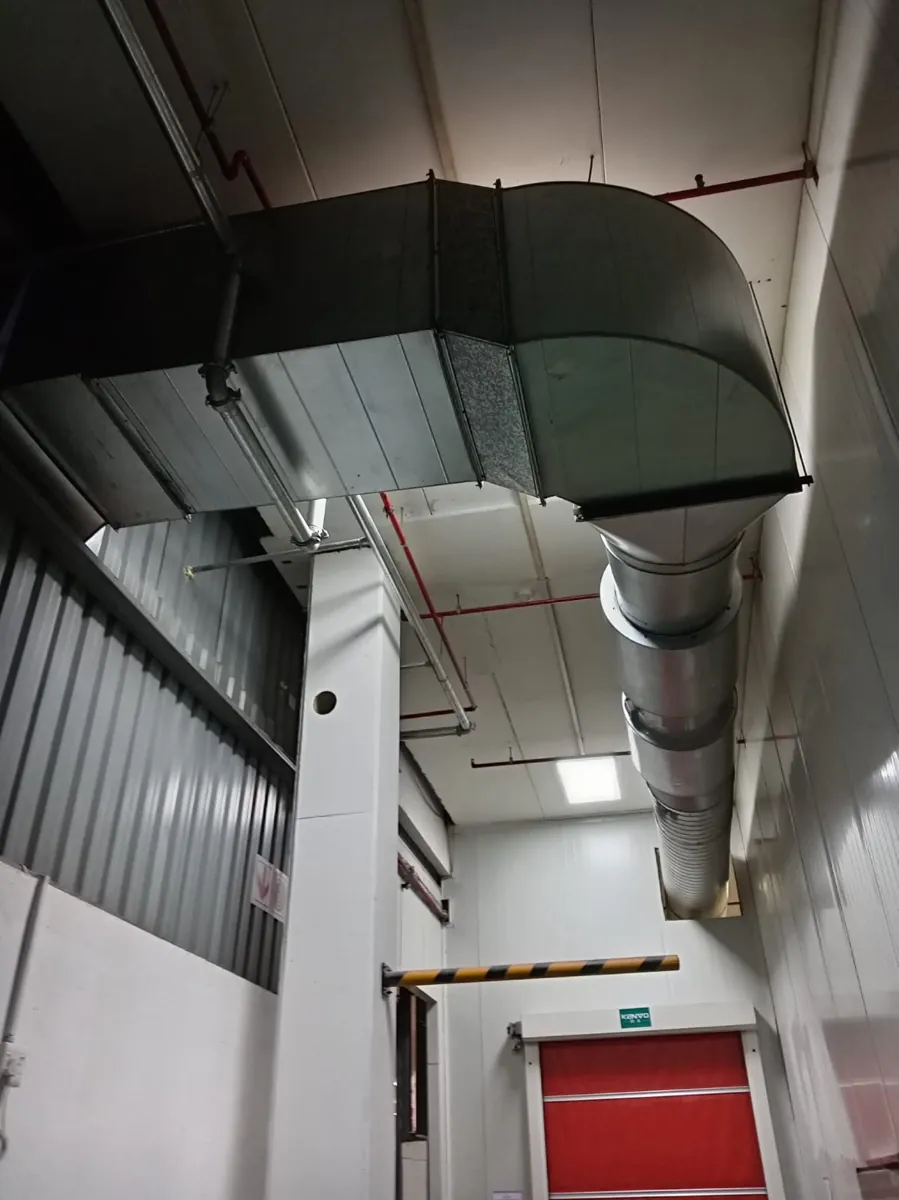
A suitable proposal can separate canopy work, fan and duct installation, replacement-air requirements and maintenance access, with specialist fire safety interfaces addressed where necessary.
Site safety and equipment selection
Fire safety and hygiene obligations require site-specific assessment; no fixed cleaning interval suits every kitchen or process.
Information to include in your quotation request
Provide kitchen layout, cooking equipment list, hood dimensions, photos of existing extraction and opening hours.
Discuss your Free State project
Call 070 602 7216 or request a project quotation.
Equipment and operating considerations
A Bloemfontein catering or restaurant kitchen may experience smoke spill when multiple appliances operate at once. We examine whether filters have become blocked and whether replacement air is causing cross-drafts at the canopy. An exhaust fan that runs continuously can still deliver insufficient capture if the connected duct is restricted. Service planning should include rooftop access, grease-cleaning points and the operational window available when the kitchen is closed. A useful enquiry includes canopy dimensions and an appliance list.
Technical decisions that affect the result
Commercial kitchen extraction performs best when the canopy, cooking equipment, exhaust fan and replacement-air route are assessed together. A larger fan may increase draughts through doors without improving capture if the hood coverage is wrong. We would inspect the cooking line, filter positions and duct condition, then establish which symptoms occur during peak meal service.
For Bloemfontein restaurants and catering facilities, a project brief should include canopy dimensions, grease filter type, the fan location and whether additional appliances have been installed. Maintenance access to grease-laden ducts must be considered before choosing a new route or fan. Any grease cleaning or fire-safety requirements should follow the applicable site obligations rather than a universal service interval.
Operating requirements and practical checks
The maintenance status of filters, ducts and the roof fan should be considered together when smoke escape or persistent odour is reported. A clean visible canopy does not confirm that a concealed duct bend or fan housing is free of grease deposits. We would clarify how the system can be opened for inspection and which facilities must be isolated during the work. The resulting scope should distinguish cleaning from mechanical restoration and any proposed ventilation redesign.