
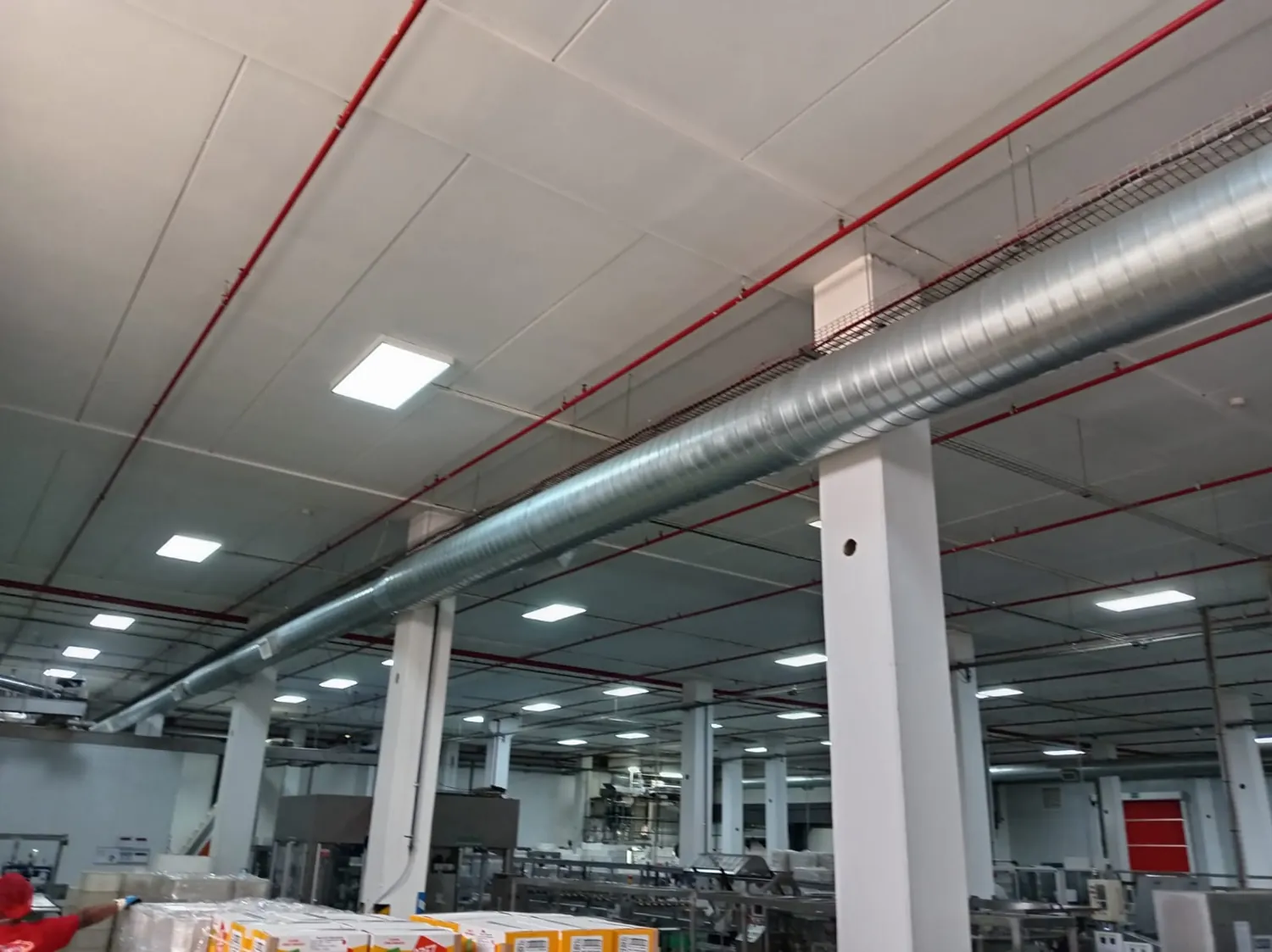
The work and operating conditions
Factories and mineral-handling operations around eMalahleni can lose capture performance when collector filters blind, discharge points bridge or fan conditions change. The symptom often appears first as dust escaping at a transfer or processing station.
Abrasive dust can wear elbows and impellers; heavy deposits can obstruct hoppers and discharge components. Intermittent process loads make a single static reading an incomplete representation of operation.
How we investigate the requirement
We distinguish a filter problem from a mechanical or duct-network fault by looking at pressure trends, inlet loading, fan condition, compressed-air pulse systems where fitted and dust discharge behaviour.
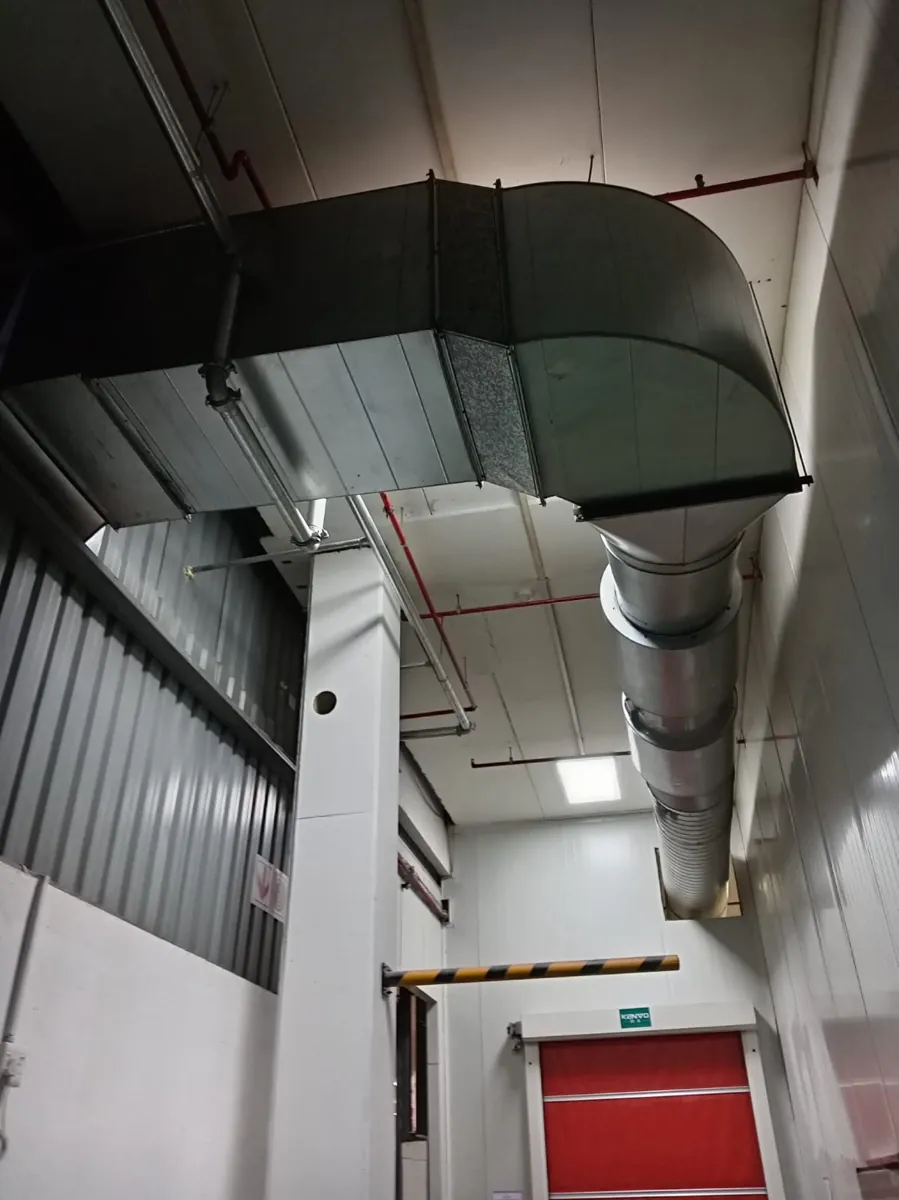
Manufacturing, installation and repair approach
Repair planning can include filter changes, hopper repairs, duct leak correction and restoration of associated fans or controls, with shutdown access and lifting requirements agreed before site work.
Site safety and equipment selection
Unknown dust characteristics or suspected combustible materials should be assessed before opening, cleaning or modifying equipment.
Information to include in your quotation request
Send the collector make, configuration, approximate age, photographs of the filter section and hopper, fault symptoms and any differential-pressure readings.
Discuss your Mpumalanga project
Call 070 602 7216 or request a project quotation.
Fault patterns and repair decisions
Abrasive particulate around eMalahleni processing and engineering sites can erode elbows, inlet protection and fan components. A collector that needs frequent filter changes may actually have an inlet distribution or hopper problem. We examine deposits, fan noise, leaks and discharge operation before specifying consumables. For a useful initial assessment, send photographs of worn sections, any differential-pressure readings and the type of material collected. Handling and exposure controls must be suited to that actual material during inspection and repairs.
Finding the cause before replacing equipment
A collector that loses airflow during a production shift may be suffering from loading beyond the cleaning system's capacity, or material accumulating at an inlet or hopper. We would compare filter-pressure trends and performance at each connected machine before identifying defective parts. Abrasive dust can also accelerate wear at duct bends and fan components.
For eMalahleni facilities, include collector identification, pressure readings, dust properties and photographs of wear points. A repair quotation should separate immediate restoration work from any system upgrade suggested by the findings. Hazardous or respirable dust requires appropriate controls during both inspection and operation.
Related technical capabilities
View our related national service capability
If a collector seems to recover after shutdown but loses suction during full production, the loading and cleaning cycle may be central to diagnosis. We would compare readings at similar process rates, inspect whether waste exits the hopper, and establish whether worn duct sections have increased the burden on the equipment. This avoids quoting a replacement collector before the operating cause is understood.