The work and operating conditions
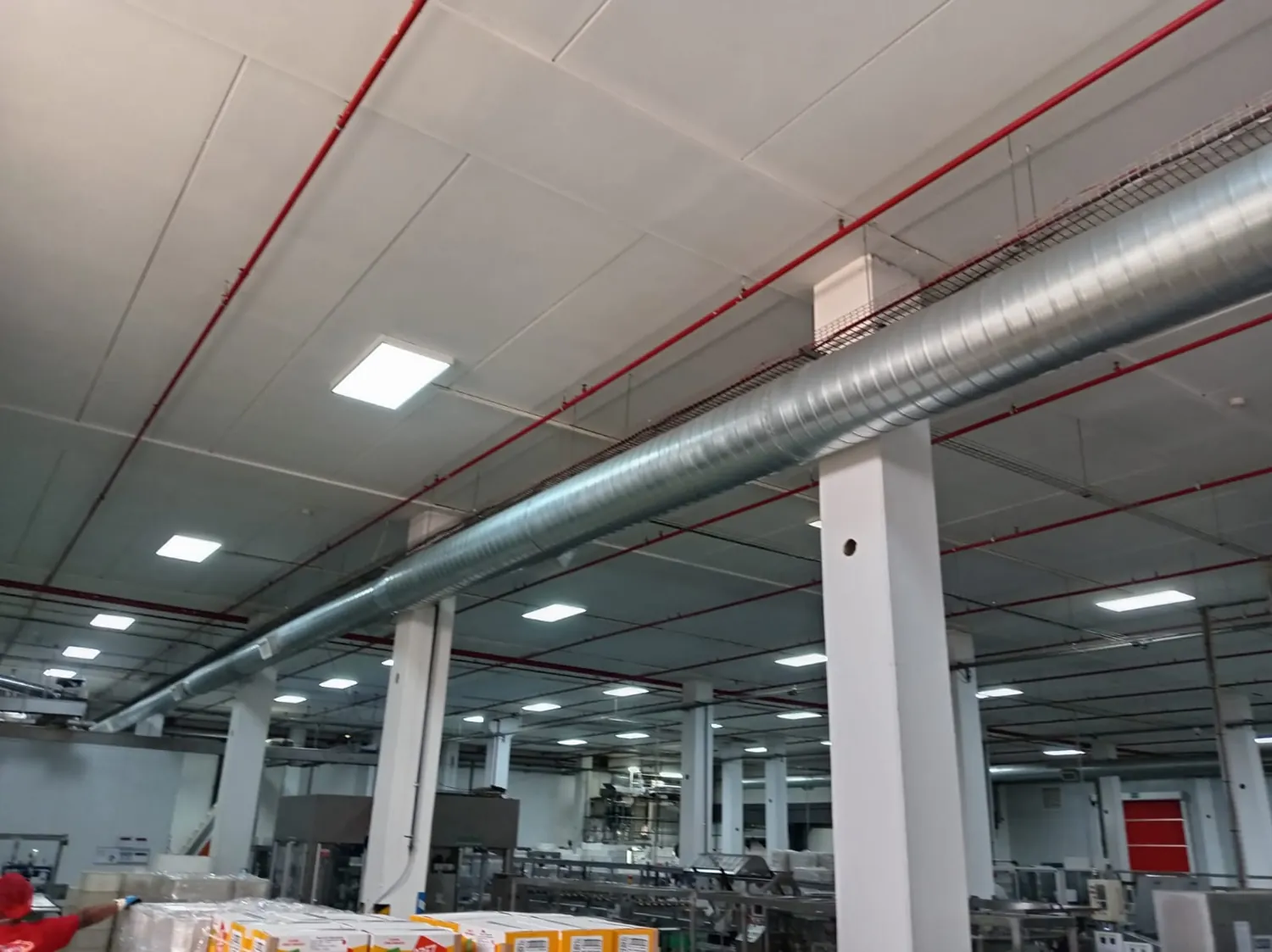
Process plants and contractor workshops around Secunda may produce dust at cutting, grinding, batching and material-transfer points. Effective capture begins at those release points, particularly where multiple workstations share one duct network.
Where operations include powders or abrasive materials, duct wear and blocked branch entries can change the distribution of airflow over a shift. Outdoor ducts and filters also need inspection access that does not interrupt plant movement.
How we investigate the requirement
We review whether poor extraction follows a production change, an added machine, a leaking duct joint or rising filter resistance. A fan drawing current is not, by itself, proof that the capture points are performing.
Manufacturing, installation and repair approach
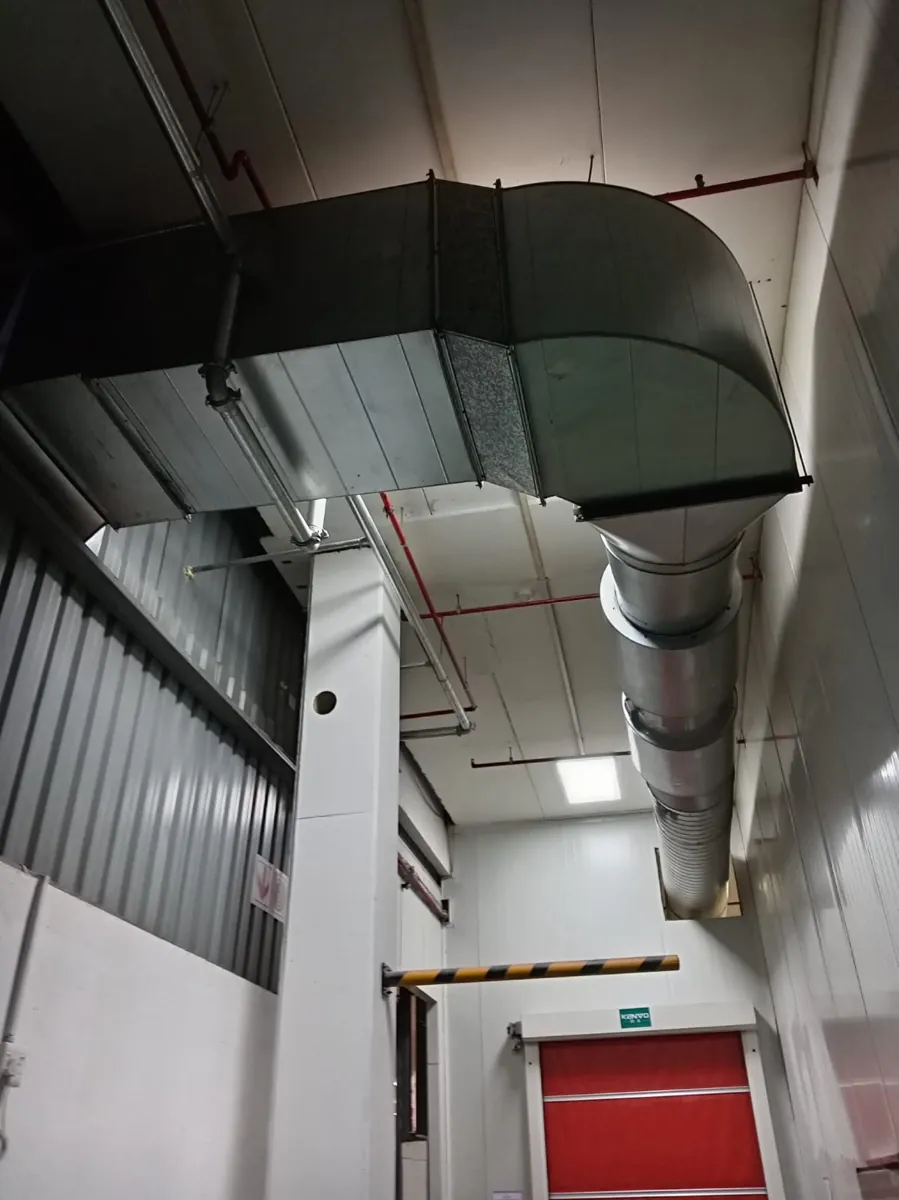
Our in-house collector manufacturing capability supports a project approach that connects pickup hoods, fan duty, filter access, discharge arrangement and eventual servicing. Repairs may be limited to the failing component rather than a whole new collector.
Site safety and equipment selection
Combustible, toxic or reactive dust demands material-specific hazard review and competent engineering decisions before any design or alteration.
Information to include in your quotation request
Photographs of each dust source, material information, machine duty cycles and any pressure or airflow readings help us determine the investigation and quotation scope.
Discuss your Mpumalanga project
Call 070 602 7216 or request a project quotation.
Equipment and operating considerations
Secunda process facilities may encounter particulate or fumes requiring controls suited to the exact material and process temperature. We distinguish process-specific extraction from normal workshop air movement before discussing hoods or collectors. Areas with chemicals or potentially hazardous gases cannot be treated as ordinary dust-extraction installations. We ask for material details, safe-work requirements, the emitting equipment and any current extraction performance records. Equipment and safety selections follow competent process-specific assessment.
Technical decisions that affect the result
Process extraction around chemical or energy facilities must begin with the actual substance and operating conditions. Ordinary particulate capture, hot process fume handling and potentially hazardous vapours can demand very different engineering decisions. We request relevant safety data and process information before considering duct materials or fan selection.
For Secunda industrial enquiries, identify the emitting operation, temperatures and any permit or hazardous-area controls. Changes to an existing extraction route should not compromise the surrounding process or its safety arrangements. A scoped project may require specialist design and competent verification in addition to mechanical fabrication or repair.
Operating requirements and practical checks
Facilities handling changing materials should not assume one collector or fan arrangement suits every operation. The process team needs to identify chemical compatibility, temperatures and specific exposure or flammability concerns before mechanical upgrades proceed. We can discuss fabrication interfaces and general extraction equipment, with specialist engineering and verification requirements explicitly defined. Maintenance access and permitted shutdown windows should form part of the original project brief.