
When your operation needs a properly scoped solution
A collector that repeatedly blocks filters, loses suction or trips its fan can interrupt a production shift and allow dust to spread beyond its collection points. Replacing filters may improve operation temporarily without resolving the cause. We investigate dust collector faults in relation to the fan, ducting, filtration and the material being extracted.
What we review on site
Our diagnosis begins with the symptoms: when suction declined, whether the problem affects every branch, what alarms or trips occur and whether the process has recently changed. We look for loaded or damaged filters, poor sealing, mechanical damage, blocked dust discharge and restrictions in ductwork. Motor and control faults are distinguished from airflow problems before repair work is scoped.
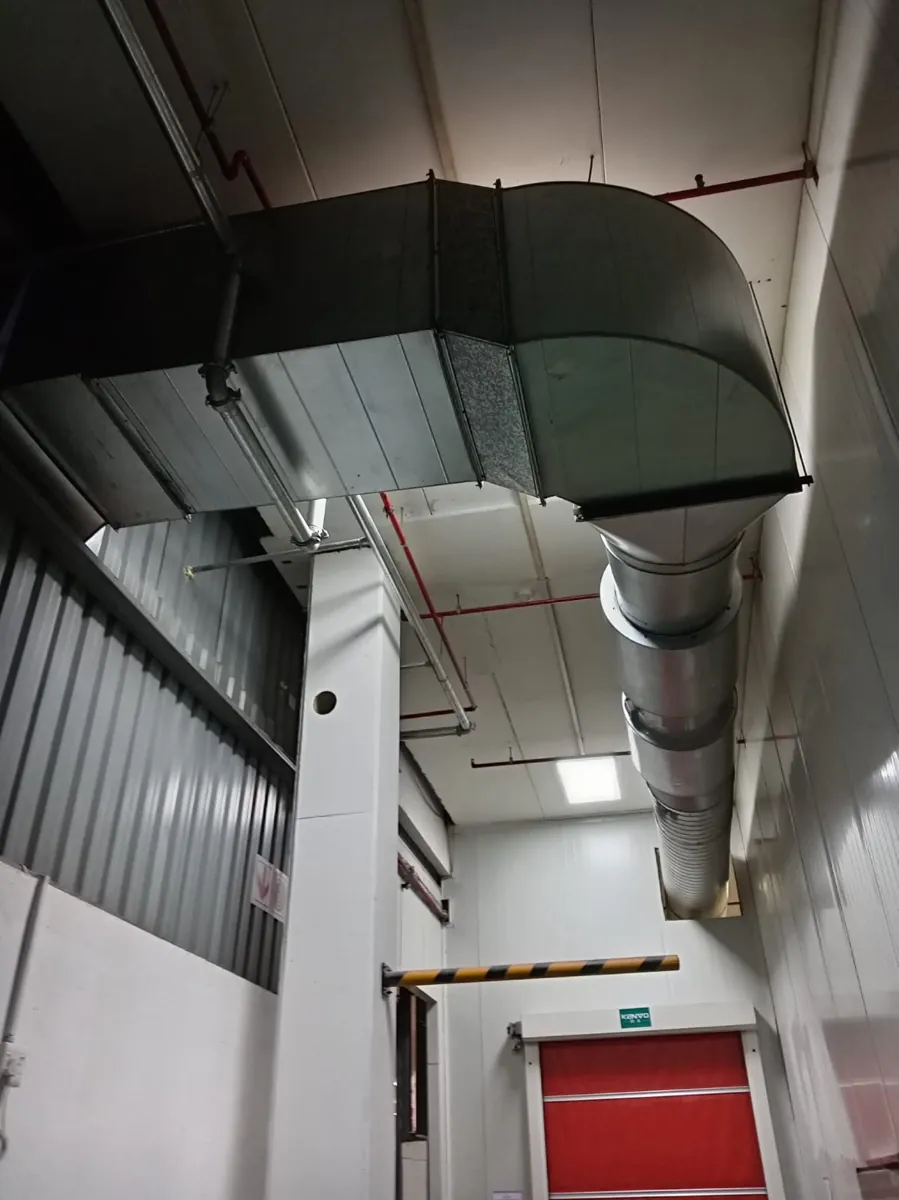
How we approach the work
Depending on the equipment and fault, a repair may involve housing or ductwork repairs, fan servicing, replacement of accessible wear components or correcting failed connections. We discuss the parts available for the particular collector and whether refurbishment is sensible compared with replacement. Where the damage is extensive, we can evaluate manufacture of a replacement unit rather than repeating short-lived fixes.
Technical suitability and safe operation
Unsafe dust must not be disturbed without an appropriate isolation and handling plan. Before work on a collector, the site should confirm the material processed, isolation arrangements and access conditions. A collector can look mechanically sound while its filtration or discharge arrangement remains unsuitable.
Information that helps us prepare your quotation
Tell us the collector manufacturer if known, approximate size, dust type, visible fault, alarm condition and urgency. Photos of the nameplate, filters and duct connections are particularly useful when discussing repair options.
Why suction may fall
A fall in collection performance may come from loaded filter media, blocked ducts, damaged fan components, leaking access doors or a failed cleaning cycle. Replacing filter bags without examining the cause can waste money and leave dust emissions unchanged. We establish whether the fault affects every branch or only one machine before defining the repair.
Fault isolation and repair scope
Our investigation follows the air path from capture hood to discharge. We check for obvious restrictions, failed connections, abnormal vibration, signs of wear and dust accumulation at the hopper. Electrical trips need competent electrical assessment; a mechanical repair alone cannot resolve a control or protection fault. The recommended work should distinguish urgent restoration from improvements best undertaken during a planned shutdown.
Repair enquiry essentials
Send photos of the collector and nameplate, the dust being handled, the symptoms, when the fault started and whether the plant is running. Record any pressure readings or alarms already available. This helps us identify the right visit and whether parts or fabrication may be required.
Repair or replace?
Repeatedly patched housings, discontinued parts and new production demands can make replacement the practical option. We consider the condition of the complete unit rather than treating the next component failure in isolation.
Fault patterns and repair decisions
We treat collector repair as diagnosis of the complete capture train, not simply replacement of a fan or filter. A high differential pressure can indicate loaded media or an ineffective cleaning system, while airborne dust on the clean side may point to damaged elements or seals. We consider how collected material leaves the hopper and whether restriction occurs at particular branches. Equipment photographs, the material being collected and current pressure readings help define the investigation. In-house fabrication may offer an alteration where the installed unit no longer suits the application.