
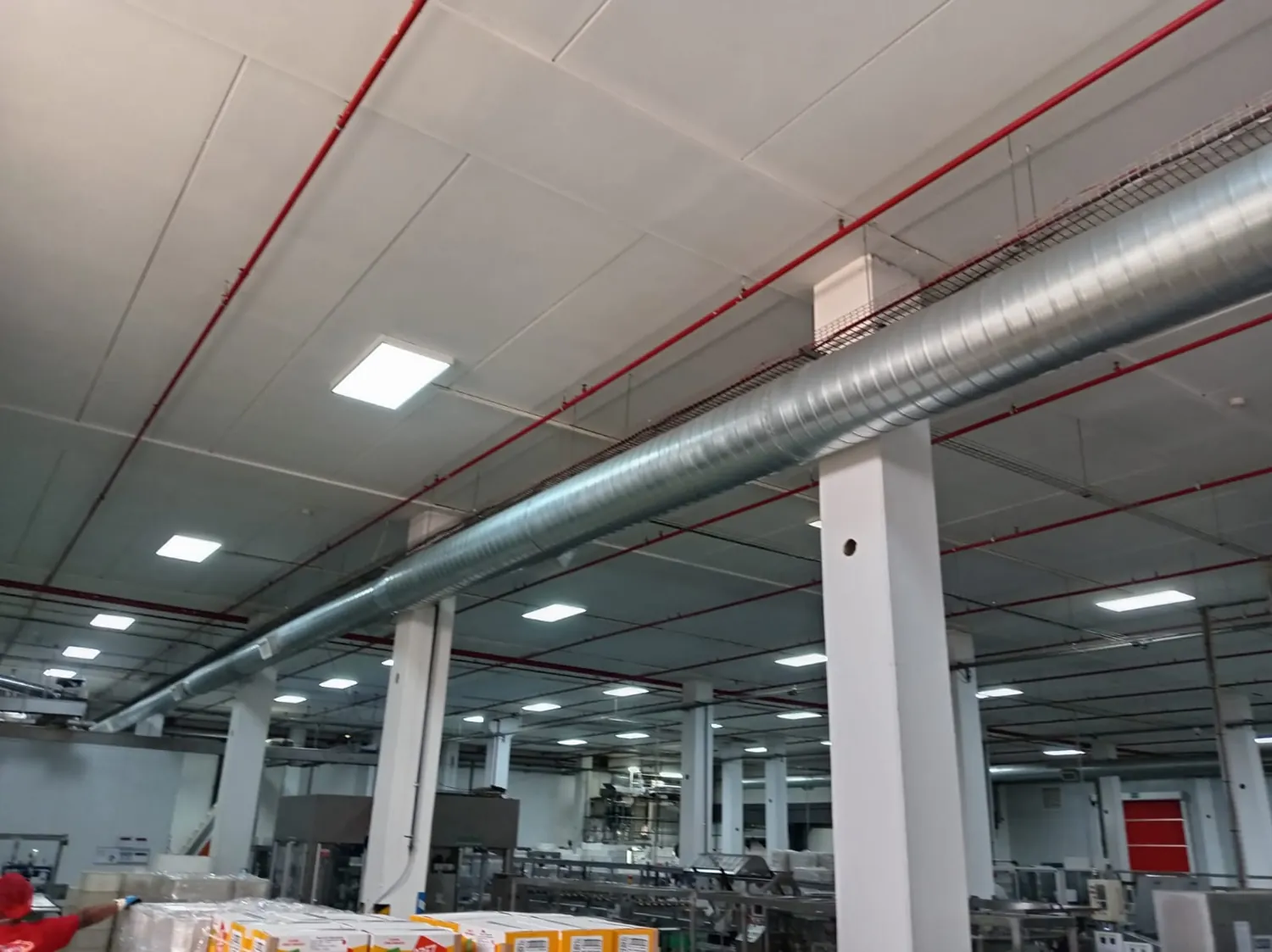
What the work involves
Woodworking, agricultural processing and engineering workshops around Komani may rely on dust collectors whose performance deteriorates gradually. Dust escaping near workstations should prompt examination of the full collection train.
Filter loading, damaged duct joints and a blocked hopper can each produce poor pickup. Seasonal material changes may affect filtration behaviour, making previous servicing intervals unsuitable for current operations.
Equipment assessment and diagnosis
We ask whether suction loss affects all stations or only one branch, whether the collector has a pulse-cleaning arrangement and whether deposits remain in the hopper after operation.
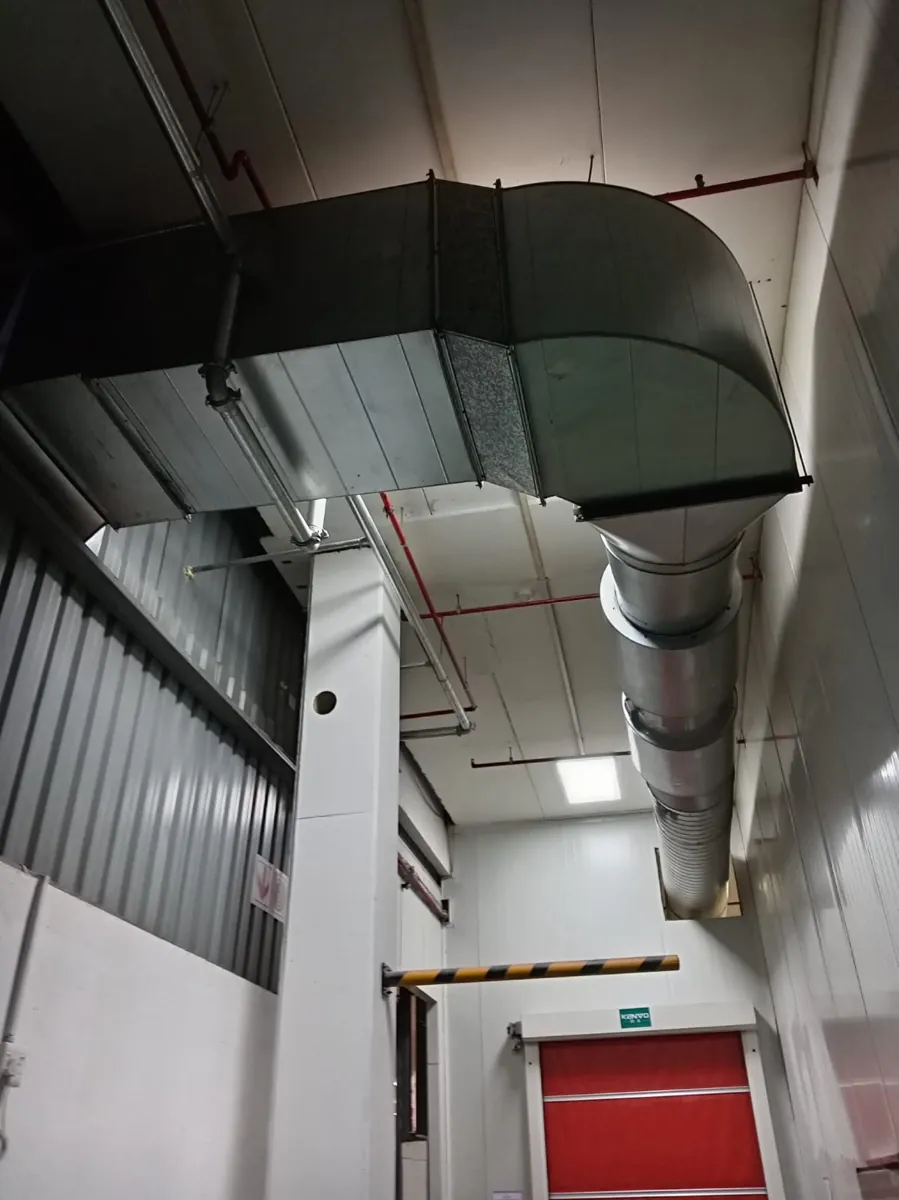
Installation, fabrication or repair scope
The repair scope can cover filters, access seals, discharge components, fan condition and duct leakage. When the installed collector no longer serves the process, in-house fabrication may offer a replacement or reconfiguration option.
Technical suitability and safe operation
Organic dusts can be combustible; dust disturbance, cleaning and repairs may require material-specific ignition prevention and exposure controls.
Fault patterns and repair decisions
Komani workshop collectors may handle very different materials across woodworking, agricultural processing and engineering applications. We ask which dust is present, because media selection and cleaning methods cannot be assumed from the collector shape. Recurrent blockages near the hopper may be linked to discharge arrangements rather than insufficient suction. Photos of the filter assembly, gauge readings and a description of seasonal material changes can help define whether a service, repair or wider equipment assessment is needed.
Requesting a project quotation
Please share the equipment label, pictures of the filter chamber and discharge, the material collected, recent fault history and any pressure gauge readings.
Related engineering service
View related technical services
Finding the cause before replacing equipment
A dust collector with falling suction may need filter servicing, repair of the pulse-cleaning arrangement or attention to a blocked discharge. We would compare performance at different pickup points and inspect for leakage around access doors and damaged elements. Repeated filter replacement without tracing the cause can leave the same problem unresolved.
For Komani facilities, share the material captured, photos of the collector, available differential-pressure readings and a record of recent breakdowns. The position of the fan and dust storage affects what can be inspected safely during a shutdown. Where dust has hazardous properties, maintenance arrangements must follow competent risk assessment and site procedures.
Repair assessment and acceptance checks
Maintenance personnel may notice an unusual pulse-cleaning noise, rising differential pressure or powder collecting outside the hopper before a collector visibly fails. We would ask which sign appeared first and whether performance changes during different production stages. These observations help direct inspection towards filters, cleaning controls or the waste outlet. Repairs should restore usable access to the affected components and establish readings for the next scheduled maintenance check.