
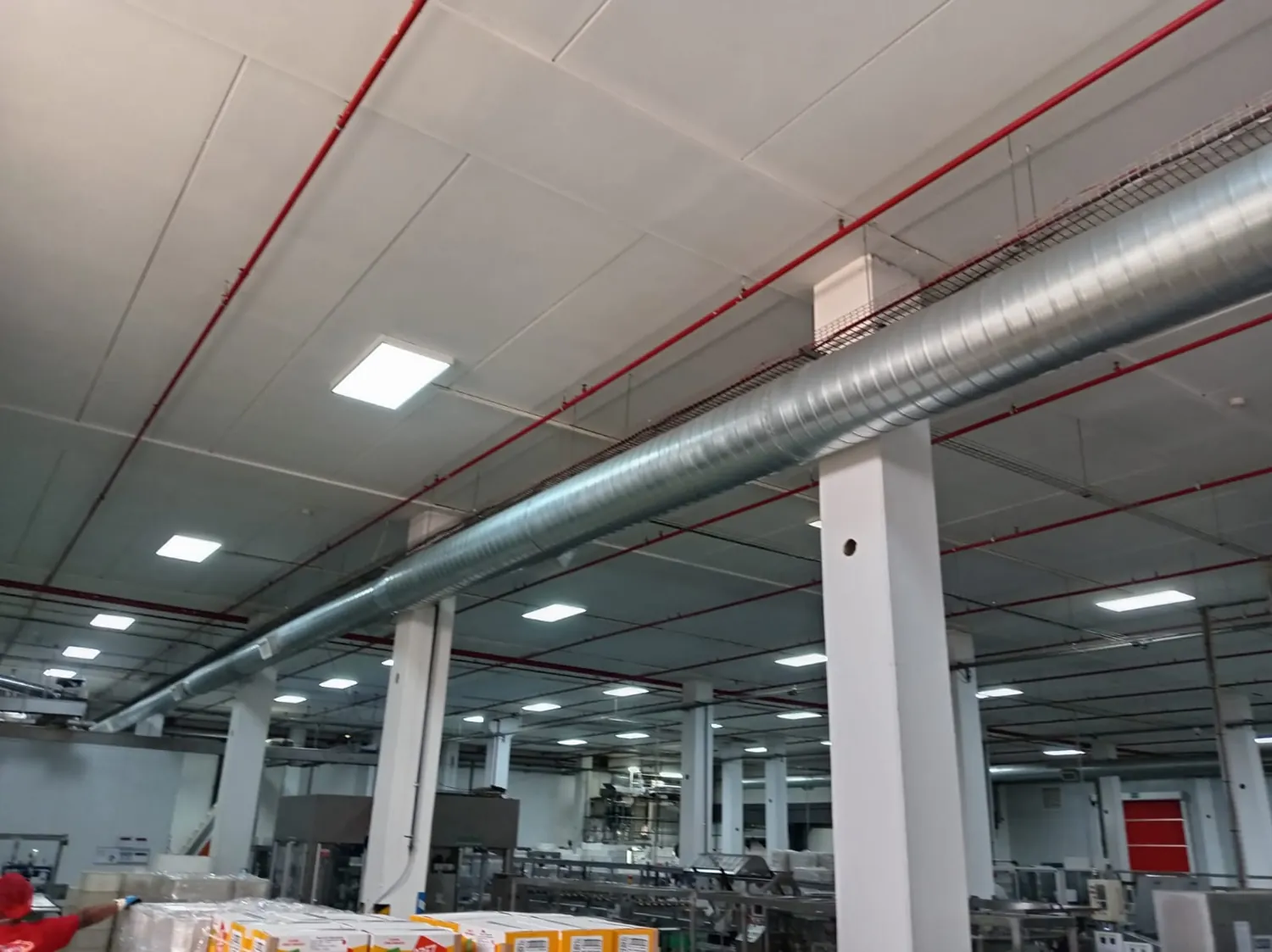
The work and operating conditions
Processing facilities and industrial workshops around Tzaneen need extraction systems that remain serviceable during seasonal and variable production. Dust collector performance depends on filter condition, airflow and reliable material discharge.
Fine organic or packaging dust may affect filters differently from abrasive workshop dust. Washdowns, humidity and accumulated deposits also matter when planning access and cleaning procedures.
How we investigate the requirement
Our service review considers filter pressure, pulse-cleaning hardware where installed, hopper integrity, fan condition, access seals and duct leaks.
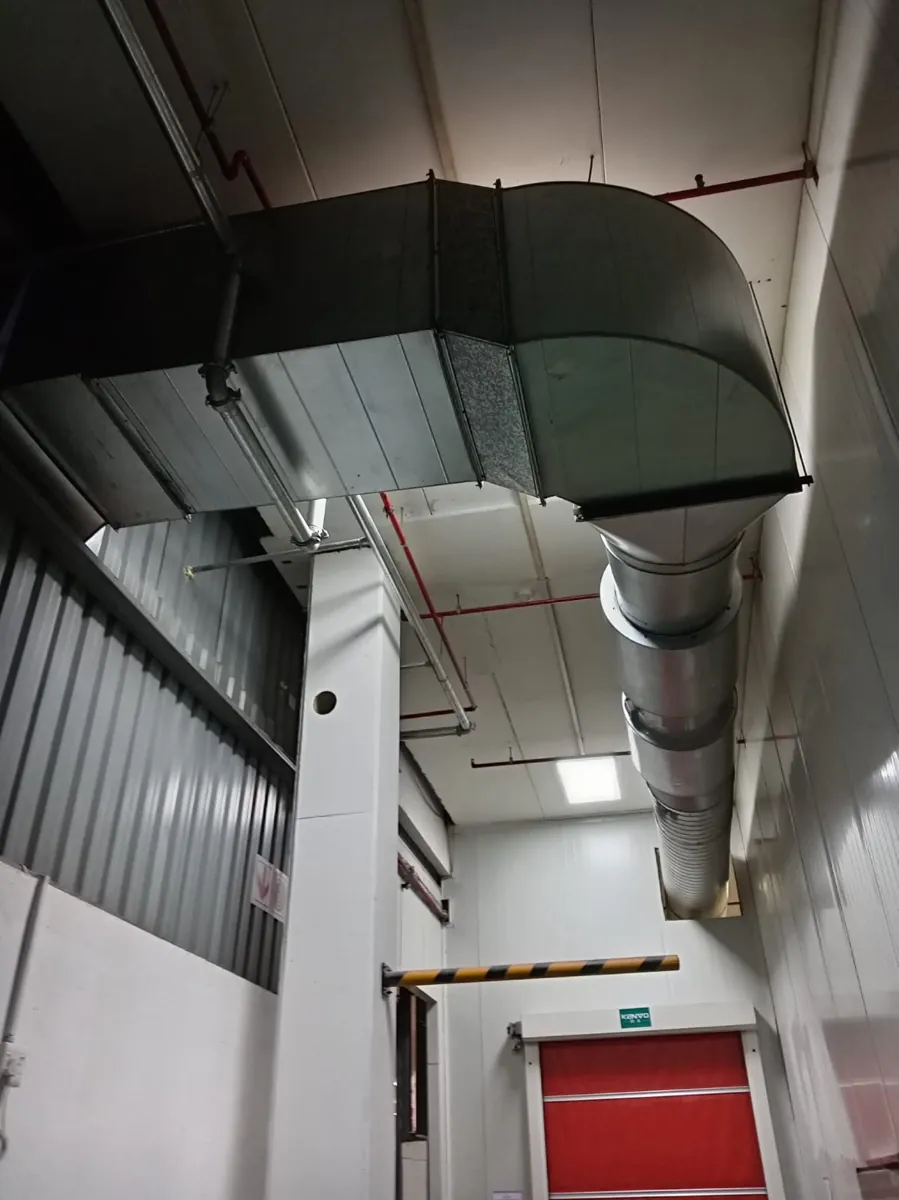
Manufacturing, installation and repair approach
Servicing can include agreed inspections, filter replacement, discharge checks, fan inspection and a report identifying components that need repair or a redesign.
Site safety and equipment selection
Combustible organic dust may introduce ignition and explosion risks; cleaning and modification methods need specific hazard controls.
Information to include in your quotation request
Provide the collector layout, material details, recent service history, operational hours and photographs of the accessible components.
Discuss your Limpopo project
Call 070 602 7216 or request a project quotation.
Equipment and operating considerations
Collectors serving agricultural handling and workshop processes around Tzaneen may see changes in dust load as materials and production runs change. We pay attention to damp or fibrous deposits that may bridge within the hopper or cling to filters. The service plan should allow cleaning access and safe waste removal without dispersing captured material back into occupied areas. Share the product type, equipment label, cleaning method and history of blockages to distinguish ordinary servicing from a design or discharge problem.
Technical decisions that affect the result
Before recommending new filters, we establish whether a collector is struggling with excess dust load, restricted discharge or an ineffective cleaning system. A rising pressure differential can result from several causes, and replacing the media without reviewing the inlet and hopper may lead to another short service life. We examine where any visible dust escapes and whether all collection points have lost performance.
For Tzaneen industrial or processing facilities, include the material handled, collector photographs, current cleaning arrangement and maintenance history. Moist or sticky products may behave differently from dry free-flowing powders. Access to the filter chamber, discharge route and any connected fan should be planned before a servicing shutdown is agreed.
Maintenance handover and site coordination
For a serviced collector, retaining the previous and new differential-pressure readings helps the maintenance team judge whether the work improved the underlying restriction. The condition of pulse valves, filter seals and the hopper outlet should be recorded instead of reporting only that filters were replaced. If dust composition or production rates change, the original media selection may need further technical review. Any process-specific hazards remain part of the site's maintenance plan.