
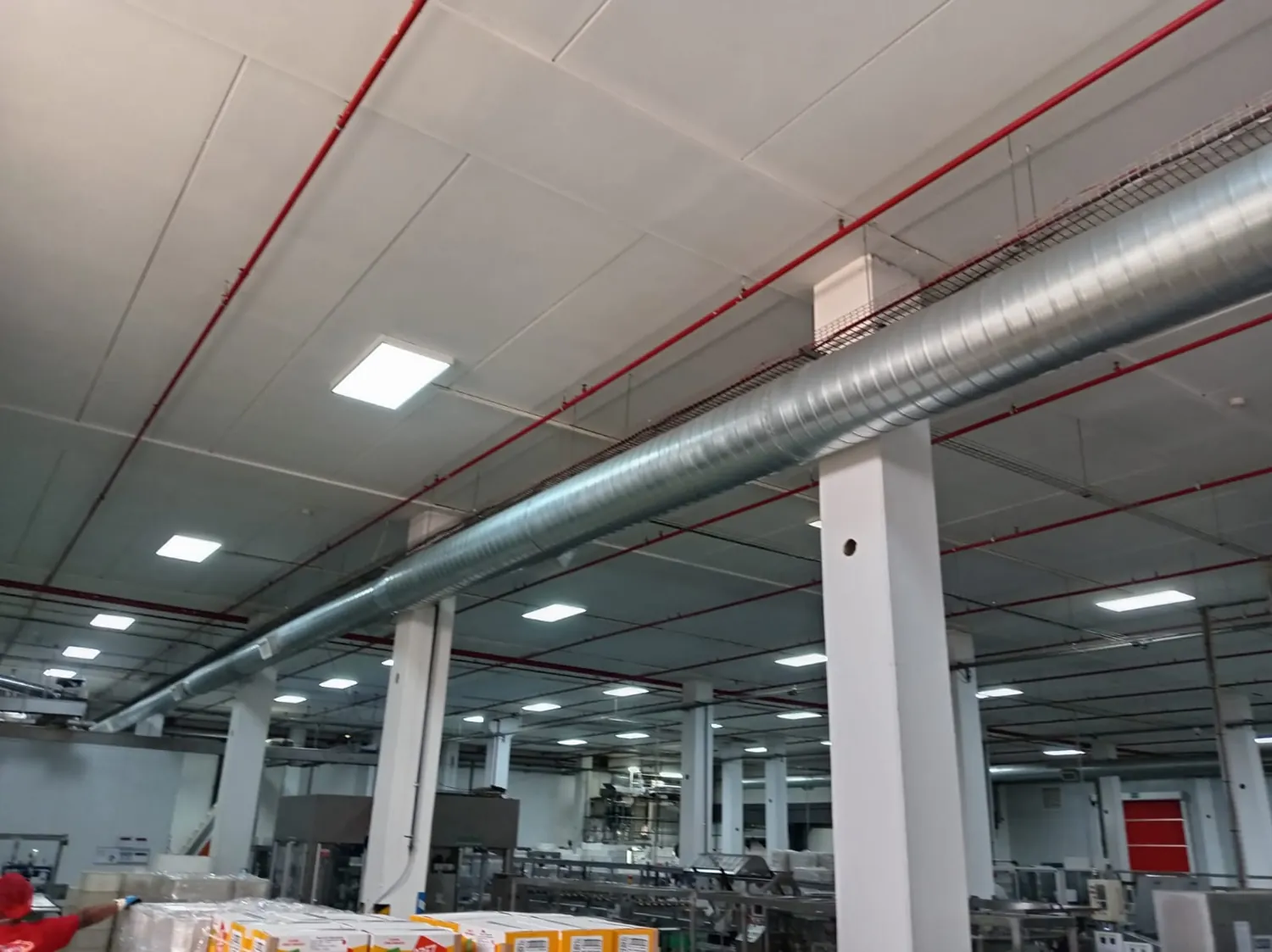
The work and operating conditions
Office buildings, hospitality facilities and commercial properties in Polokwane need air-conditioning maintenance that addresses comfort, reliability and the impact of service interruptions on occupants.
Blocked coils, fouled filters, condensate restrictions and control faults can create uneven cooling. Outdoor equipment operating in dusty environments may need inspection intervals based on actual fouling.
How we investigate the requirement
We distinguish a refrigerant-circuit issue from airflow, controls and drainage problems instead of treating every cooling complaint as a regassing job.
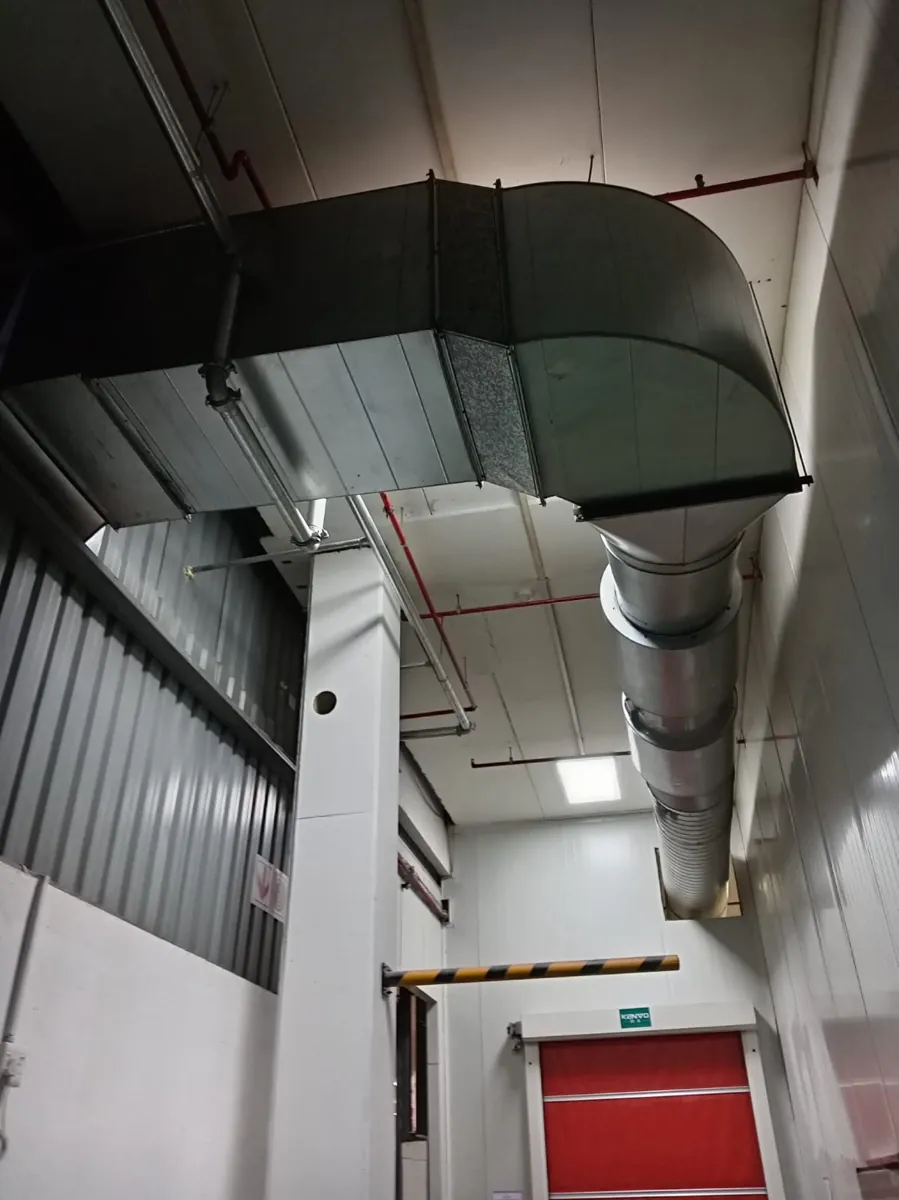
Manufacturing, installation and repair approach
Planned maintenance can cover filter and coil condition, fans, drains, electrical checks, control settings and documentation for facility records, subject to the installed equipment.
Site safety and equipment selection
Refrigerant handling and electrical work must be carried out by appropriately qualified personnel using suitable safety procedures.
Information to include in your quotation request
Provide equipment types, approximate unit counts, building use, access limitations and recent fault reports to scope a suitable maintenance proposal.
Discuss your Limpopo project
Call 070 602 7216 or request a project quotation.
Equipment and operating considerations
For Polokwane offices, retail premises and commercial facilities, preventative servicing can be planned by asset criticality and occupancy. Equipment serving server rooms may require different attendance windows from ordinary comfort units. We review filter condition, condensate routes and whether controllers respond correctly to occupied hours. Photographs of units and their labels are more useful than a rough count of air conditioners when defining a service plan.
Maintenance priorities and operating records
Commercial HVAC maintenance has to account for the building's actual operating schedule. Units that serve a retail floor, offices and equipment rooms may need different inspection priorities even if they share a service contract. Filter pressure, fan condition, controls, drainage and outdoor heat rejection should be reviewed with the facilities manager's list of recurring complaints.
A Polokwane maintenance programme should identify installed assets by zone and record which can be taken out of service during business hours. Cleaning alone does not resolve incorrect control settings or persistently restricted air paths. We would agree what readings and observations form the baseline so subsequent visits can identify deterioration instead of simply recording that equipment was attended to.
Maintenance handover and site coordination
A planned service should close with a short equipment-specific record: condition found, filters or components attended to, faults not yet resolved and any measurements taken. Where several units serve shared spaces, recording which zone each unit supplies makes subsequent repairs quicker and less disruptive. We can discuss a visit schedule around trading hours, but actual attendance and response arrangements should be agreed rather than advertised as a fixed national guarantee.
The operating team should retain the current asset list and alarm notes so later servicing can distinguish repeated faults from new problems.