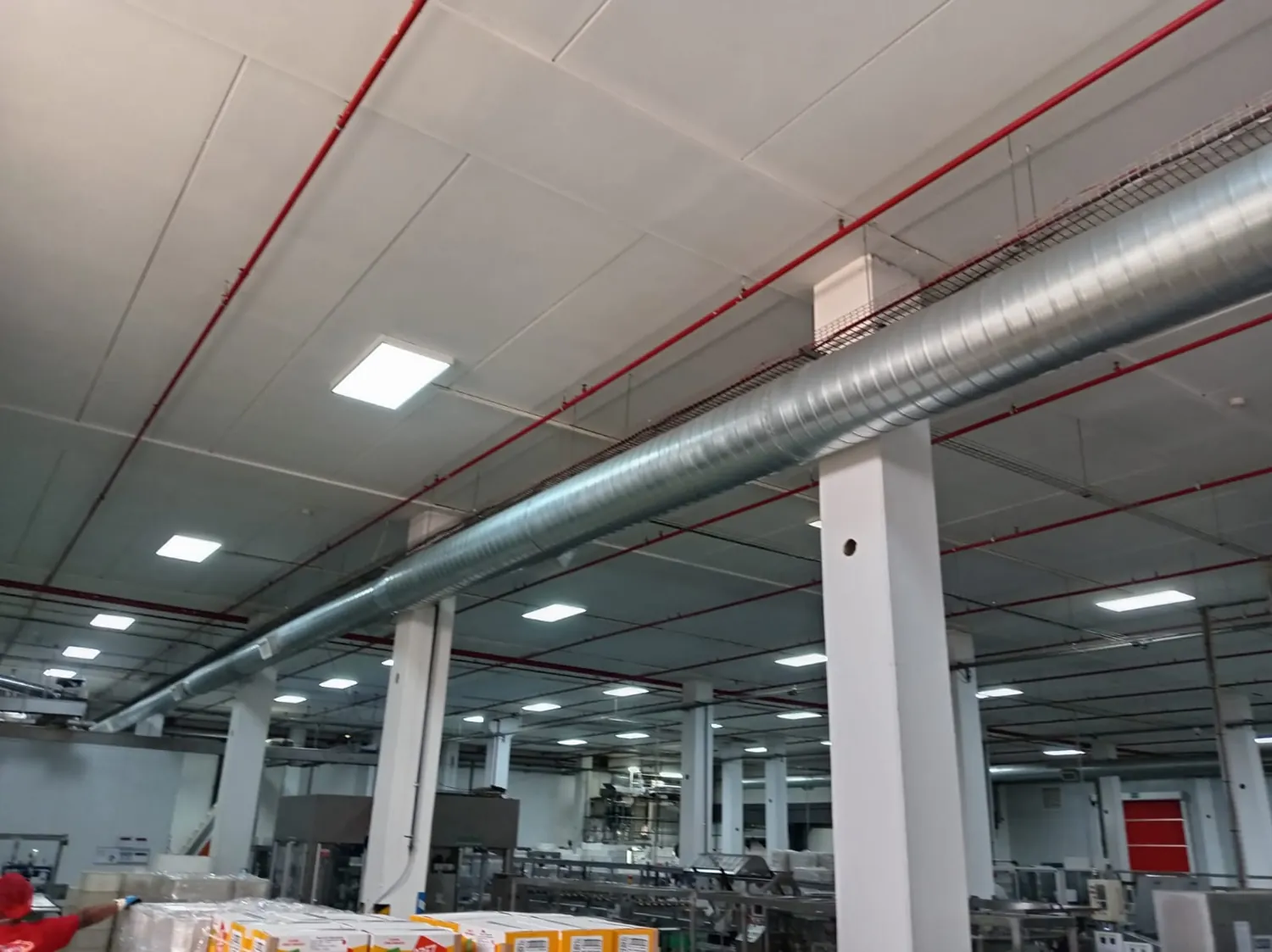
The work and operating conditions
Industrial workshops, processing facilities and manufacturers in Polokwane may need a collector sized around actual dust sources rather than an off-the-shelf enclosure. We manufacture dust collectors in-house from our Kempton Park operation.
The collector type depends on the material, dust loading, required airflow, filtration approach and available installation footprint. Longer duct routes or additional workstations can affect the pressure duty.
How we investigate the requirement
We scope sources first: how dust is generated, the number of simultaneous machines, whether capture points are enclosed and how collected material should discharge.
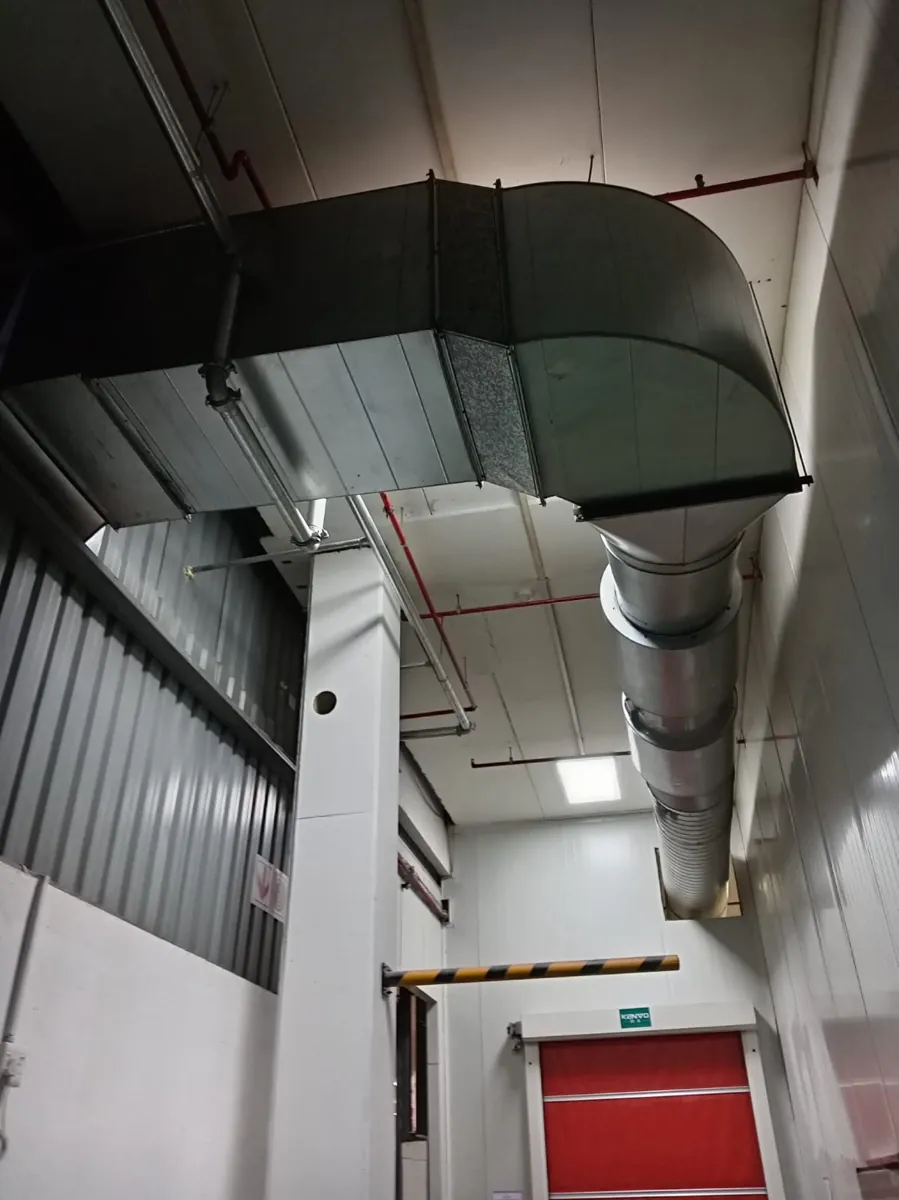
Manufacturing, installation and repair approach
Fabrication considerations include filter servicing space, dust collection or discharge arrangements, fan selection interfaces, access panels, supports and integration with site ductwork.
Site safety and equipment selection
No fixed filtration efficiency, airflow capacity or explosion rating should be assumed without a confirmed equipment specification and risk assessment.
Information to include in your quotation request
For a manufacturing enquiry, provide site location, process description, dust details, layout dimensions, approximate operating hours and photographs or drawings.
Discuss your Limpopo project
Call 070 602 7216 or request a project quotation.
Equipment and operating considerations
A collector manufactured for a Polokwane facility must be based on the dust being handled and the available service conditions. We distinguish dry granular loading from very fine deposits that cling to filter media. Before fabrication, we review power supply, fan location, chamber access and the means of moving collected solids out of the unit. Outdoor installations may need attention to weather exposure and safe inspection access. Where processes create combustible or toxic dust, specialist assessment is needed before the specification is signed off.
Manufacturing scope and workable maintenance access
For a new collector serving an industrial or processing facility, the capture duty and material characteristics should be defined before a fabrication drawing is finalized. A suitable unit needs accessible filter media, a practical waste discharge and connections that fit the site's fan and duct layout. A small footprint is useful only if technicians can still service the equipment.
For Polokwane project enquiries, include the material collected, operating hours and whether extraction already exists at machines. If agricultural products or other combustible organic dusts are involved, a competent hazards assessment must inform the protection requirements. Site access, foundations and lifting needs should be included in the manufacturing and installation scope.
Manufacturing details to confirm before fabrication
Before workshop drawings are agreed, a manufacturing enquiry should specify the dust discharge arrangement and the space available for filter removal. A collector beside an operating conveyor may require different access than one outside a production building. We also discuss whether an existing fan will be reused and what responsibilities remain for ducting and commissioning. Hazardous or combustible material information must be part of the specification, not discovered after fabrication.