What the work involves
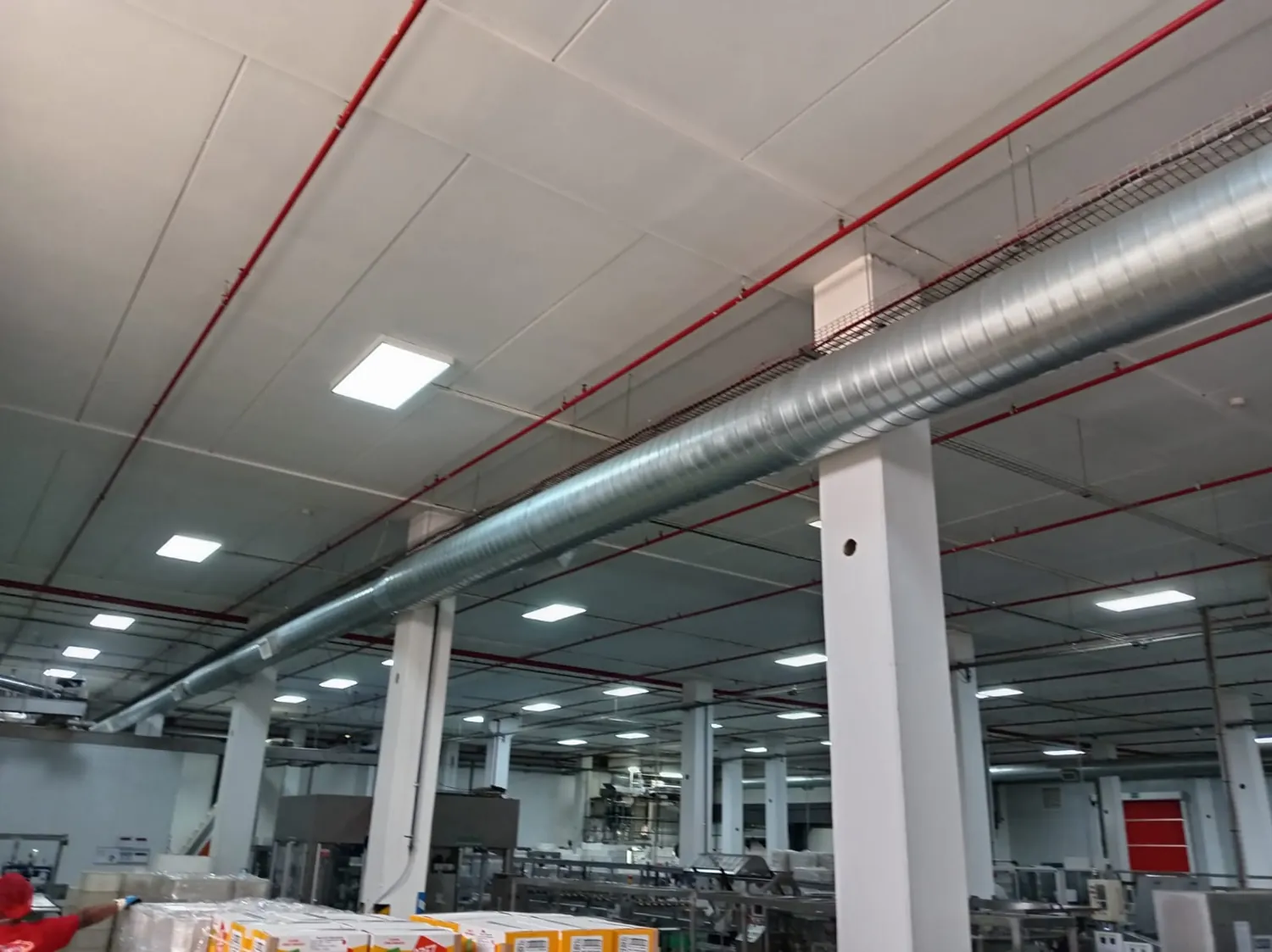
Factories and commercial plant rooms around East London depend on exhaust fans for production ventilation, heat removal and extraction equipment. A noisy or underperforming fan should be assessed as part of the whole connected system.
Coastal moisture can accelerate deterioration of exposed housings and fittings, while material deposits inside industrial exhaust systems can unbalance an impeller. Bearings and belt drives experience different failure patterns from electronically controlled direct-drive units.
Equipment assessment and diagnosis
We use the reported fault history to distinguish seized or worn components from electrical protection trips, duct obstructions and unsuitable operating points. Repeat motor failures can indicate an unresolved mechanical load or ventilation-system problem.
Installation, fabrication or repair scope
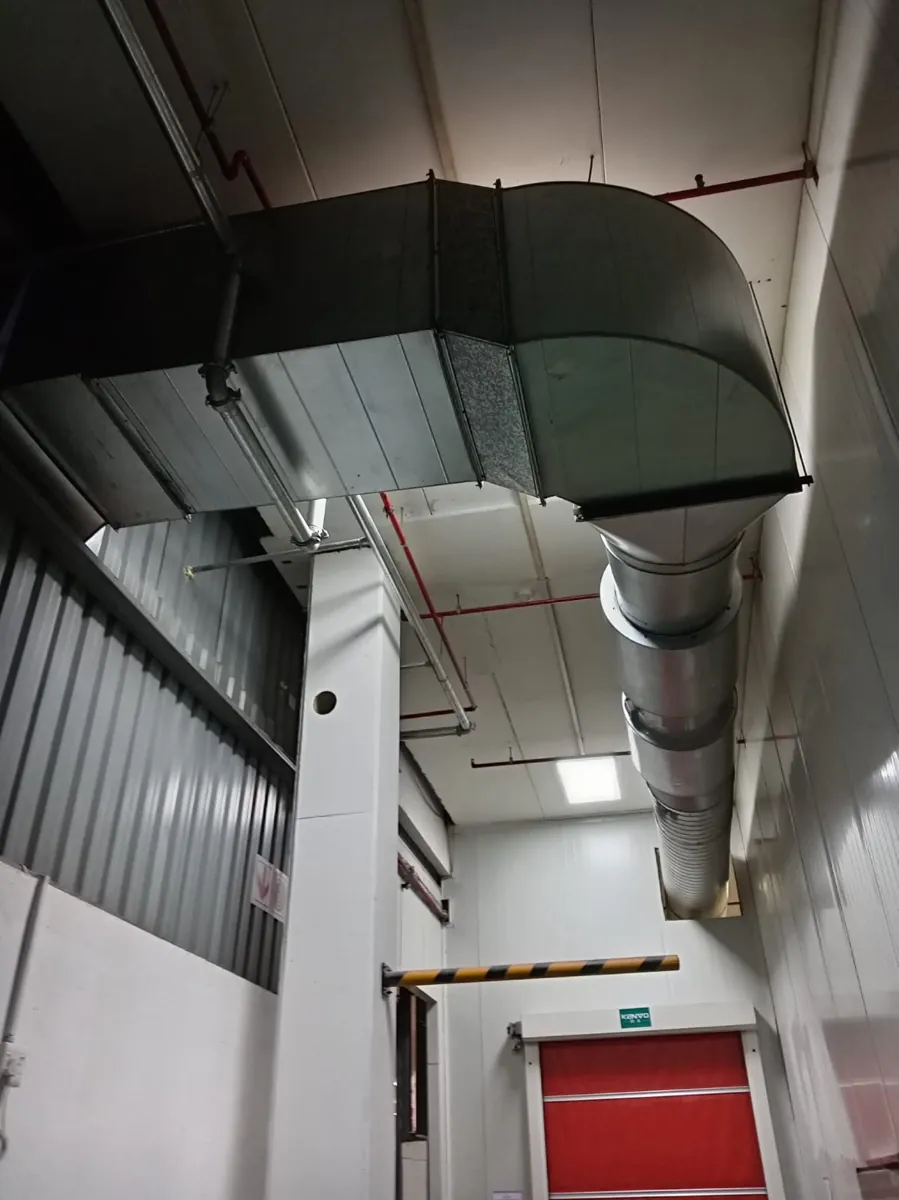
Potential work includes impeller assessment, drive repair, motor replacement, housing correction and examination of connected duct resistance. Where repair is uneconomic, a replacement should be selected against actual airflow and pressure requirements rather than dimensions alone.
Technical suitability and safe operation
Rotating machinery and electrical equipment must be properly isolated before inspection; potentially hazardous exhaust streams may require additional decontamination and safety controls.
Fault patterns and repair decisions
East London production and logistics facilities may rely on roof or duct-mounted fans whose failure disrupts working conditions. We ask whether the problem is a complete stoppage, intermittent tripping or gradual reduction in extraction. Motors, impellers and bearing supports require different repair methods, and exposed equipment may have corrosion or water ingress. A repair enquiry should provide the fan location, identification plate, photos of access and any electrical fault information. Safe attendance arrangements are assessed for each project.
Requesting a project quotation
For initial scoping, send the fan nameplate, enclosure photographs, mounting position, drive arrangement, fault symptoms and details of site access or isolation requirements.
Related engineering service
View related technical services
Finding the cause before replacing equipment
When a fan repeatedly trips or vibrates, we need to distinguish mechanical deterioration from operating conditions imposed by the connected system. A blocked duct or loaded filter can affect fan duty, while deposits on the impeller may create imbalance. Bearing noise, casing contact and coupling condition require targeted inspection rather than indiscriminate parts replacement.
For an East London facility, record which connected areas have lost extraction and send clear identification plates and access photographs. Outdoor installations may need additional attention to weather exposure and support integrity. The repair scope should distinguish immediate component work from modifications to the system that caused the original fault.
Repair assessment and acceptance checks
A bearing replacement may restore smooth operation temporarily but not resolve a repeated vibration problem caused by dust buildup or unsuitable fan duty. We would ask whether recent process alterations increased the material load and whether connected ducts have become restricted. Site access and proper isolation are essential before inspecting an elevated fan. A useful handover includes work performed and any further checks recommended for the rest of the extraction system.