
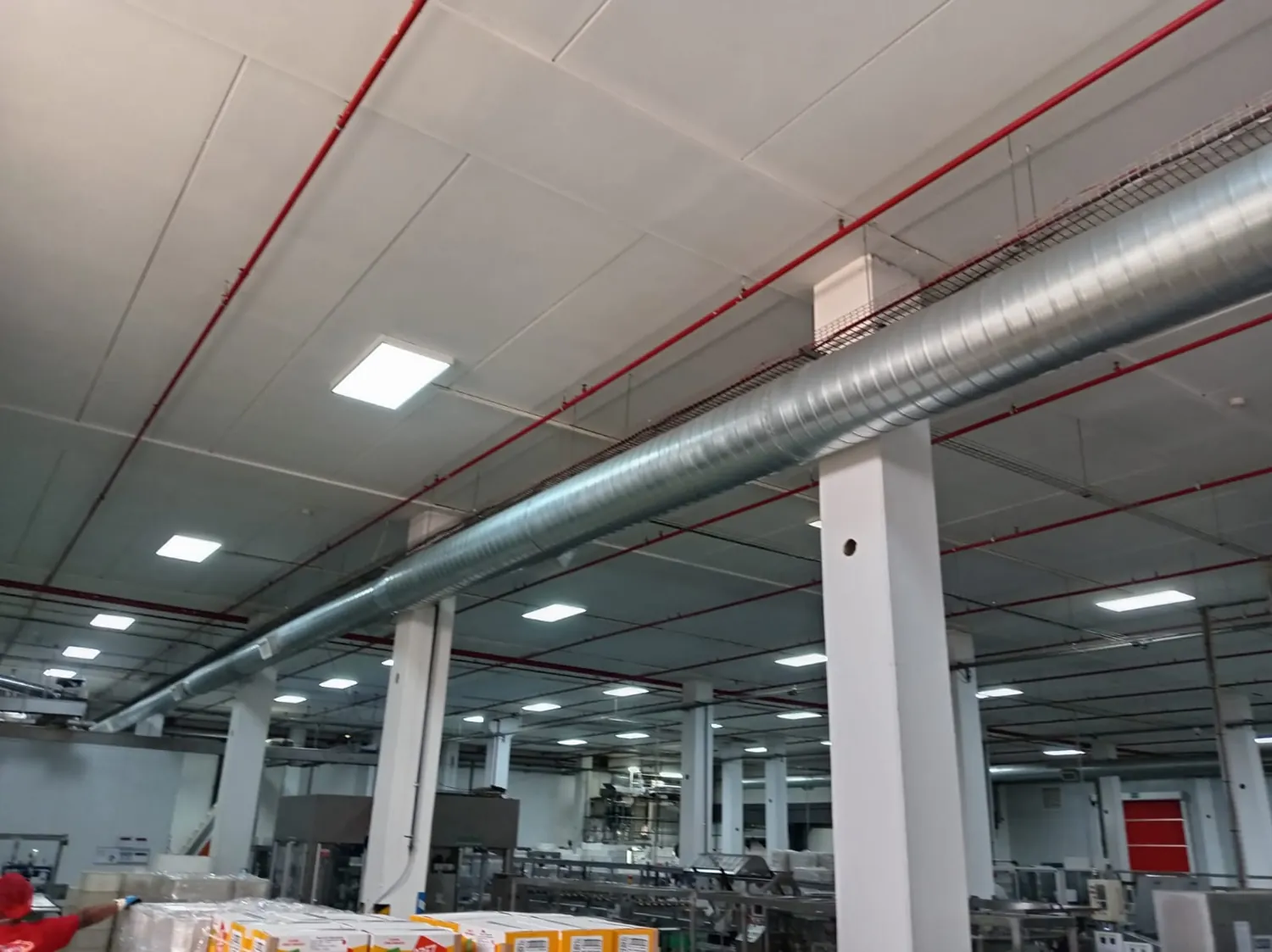
Fibre capture near machinery
Cutting, trimming, sewing, brushing and textile handling can release lint that builds up on equipment and air passages. We examine where fibres originate and whether extraction needs to serve individual machine enclosures, central points or general housekeeping equipment. Long loose fibres may behave differently from fine dry dust in ductwork and filters.
Preventing blockages and maintenance burdens
Duct transitions, access panels, separation arrangements and waste discharge must account for fibre accumulation. A collector that performs well with mineral dust may blind quickly or become difficult to empty with lint. We discuss cleaning intervals and safe access around running production lines before finalizing equipment layout.
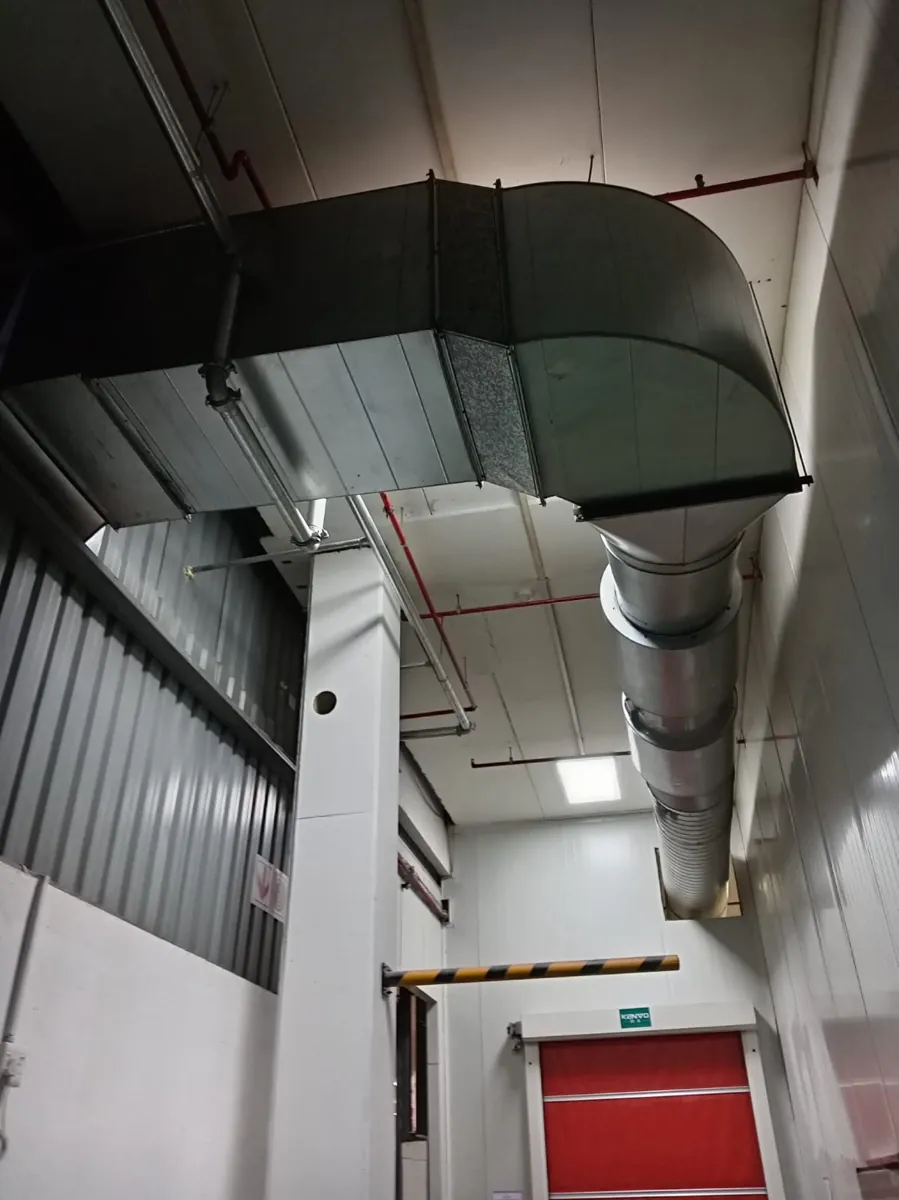
Fire load and factory requirements
Accumulated lint can increase fire load around equipment, especially where ignition sources are present. System safety and filtration should reflect material composition and applicable facility assessment. We avoid fixed performance or cleaning-frequency claims without understanding textile type, duty and the collector design.
Request a site-based quotation
Equipment and operating considerations
Textile lint can accumulate rapidly around cutting, handling and manufacturing machinery. Pickup position and duct cleanout access matter because fibrous deposits can form restrictions even where initial suction is adequate. We look at whether the process produces loose lint, fine dust or airborne fibres requiring different collection methods. Filter maintenance and prevention of buildup near motors are central to reliability. We ask for the machine list, fibre types and cleaning practices before proposing modifications.
Speak to our industrial projects team
Request an industrial extraction assessment
Technical decisions that affect the result
Textile lint can accumulate around cutting, carding and production equipment and may migrate to ceilings or inaccessible surfaces. We examine where fibres are released and whether local pickup or changes to duct routing will reduce spread. Lint may cake onto filters or lodge in bends differently from fine mineral dust, which matters when selecting cleaning access and waste handling.
The enquiry should explain the fibres processed, machine speeds, cleaning routines and whether the extraction network serves several lines. Combustible lint may present fire risks that require competent site assessment and appropriate protections. A workable system also needs safe emptying and maintenance without spreading collected fibres back across the production floor.
Operating requirements and practical checks
Collection points should be planned around the operations releasing lint most heavily, including fibre handling and cutting machinery. A poorly placed pickup can miss flying fibres and instead pull clean air from the nearest opening. We discuss whether existing ducts are blocked by deposits and whether filter access is convenient for the operators who perform routine checks. Applicable fire-safety considerations must be resolved with competent specialists before new system layouts are approved.