
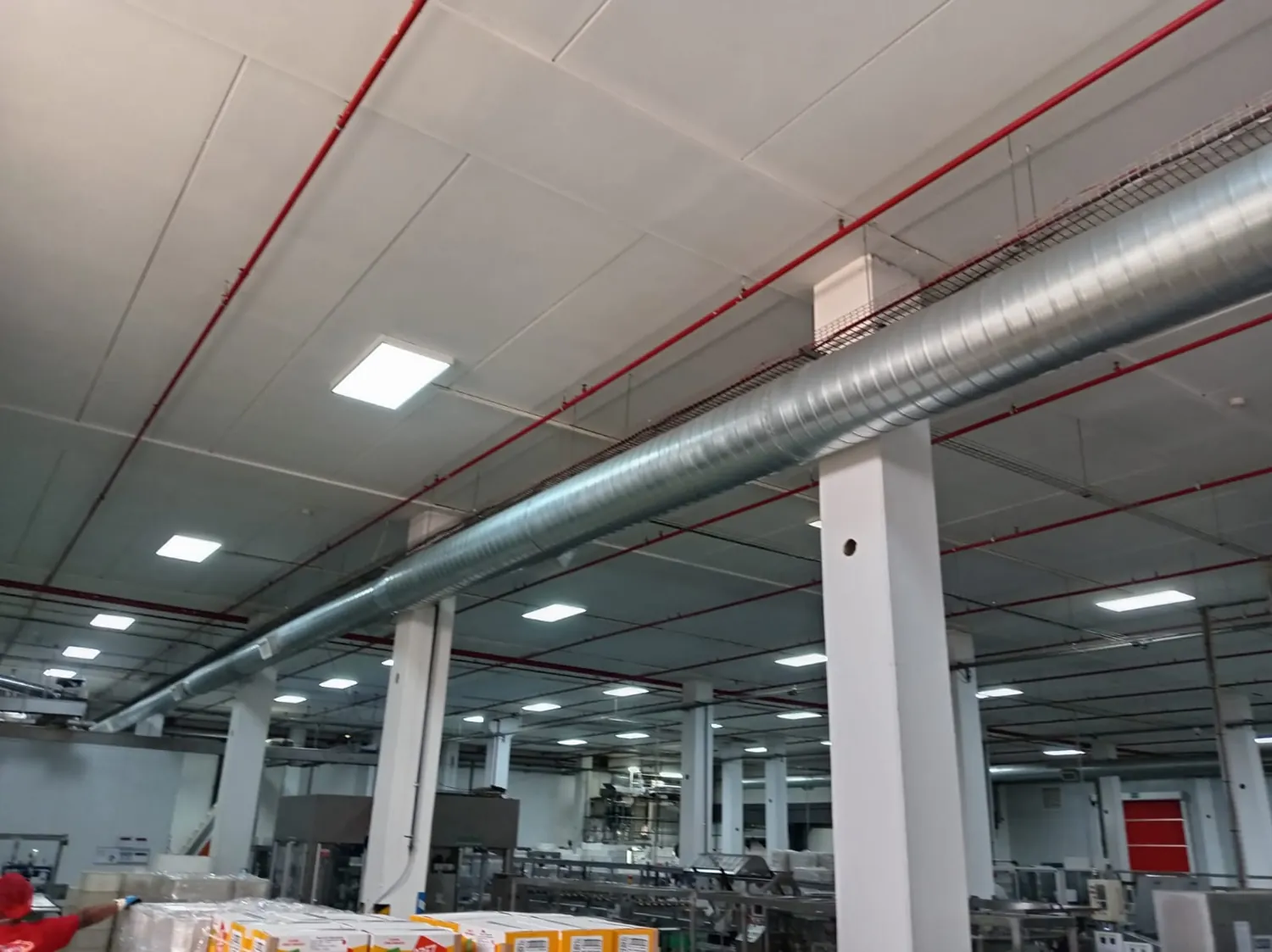
The work and operating conditions
Workshops and processing operations in Rustenburg may see dust leakage, rising filter resistance or unexpected collector stoppages as equipment ages under demanding use.
Abrasive particulate can accelerate wear on duct bends, collector inlets and fan components. Collector accessibility and shutdown restrictions may determine whether components are repaired in place or removed.
How we investigate the requirement
We assess differential pressure where available, compressed-air cleaning where fitted, discharge arrangements, structural condition and fan operation before recommending a repair scope.
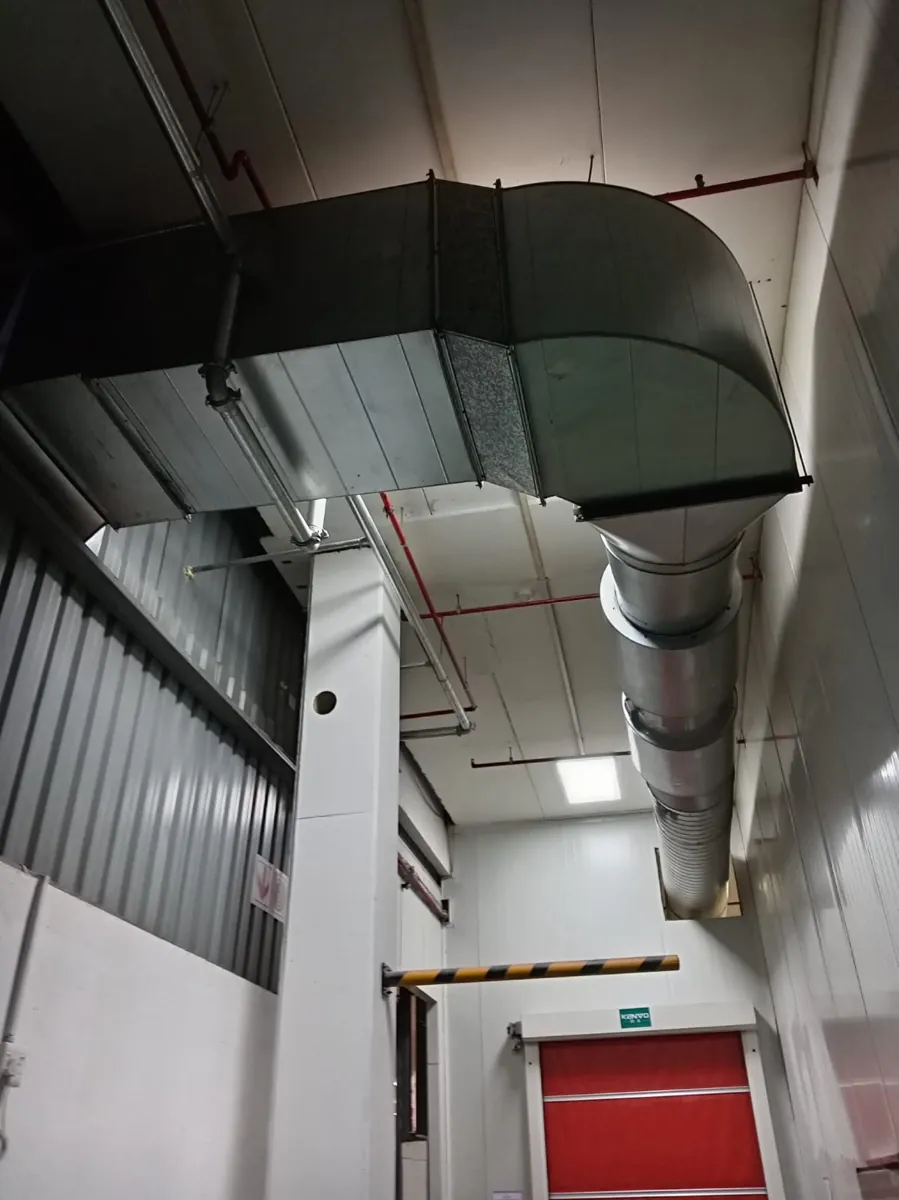
Manufacturing, installation and repair approach
Work may involve filter servicing, sealing, hopper and ductwork repairs, fan component repairs or a collector upgrade where the original duty has changed.
Site safety and equipment selection
Where dust hazards are unknown, intrusive work and hot work require prior material-specific safety review.
Information to include in your quotation request
Send photographs of the collector, inlet ducting, discharge assembly and labels, plus fault timing and any readings from the control panel.
Discuss your North West project
Call 070 602 7216 or request a project quotation.
Fault patterns and repair decisions
A collector serving abrasive work around Rustenburg should be checked for inlet wear as well as filter condition. When fine dust appears downstream of the collector, we distinguish a damaged element from failed seals or a leaking access door. Vibration at the discharge section can signal a different issue from a fan fault. We need equipment identification, the material captured and observations about how the failure developed. The repair scope can then separate immediate containment from later changes to reduce repeat damage.
Finding the cause before replacing equipment
A collector suffering poor suction may have a filter restriction, faulty cleaning system, blocked hopper or an upstream duct problem. We examine available pressure readings and whether weak extraction occurs at every pickup or only certain machines. Premature filter failure can point to abrasive inlet impact or poor seating, not merely an unsuitable replacement interval.
For Rustenburg sites, send photographs of the collector, fan and dust discharge as well as the material handled. Mining and fabrication duties may create substantial wear at elbows and inlet plates. Repair work should be scoped with shutdown permissions and the required dust-specific safety review; a replacement fan should not be selected before the connected resistance is understood.
Repair assessment and acceptance checks
If a site operates several pickup points, reduced extraction at one machine can result from local branch restriction rather than a failed collector. The repair diagnosis should compare symptoms across the system and check the cleaning mechanism and discharge. Wear at inlet components may also indicate abrasive material impact. A follow-up service plan should record measurable signs of performance so the maintenance team can detect future deterioration earlier.