The work and operating conditions
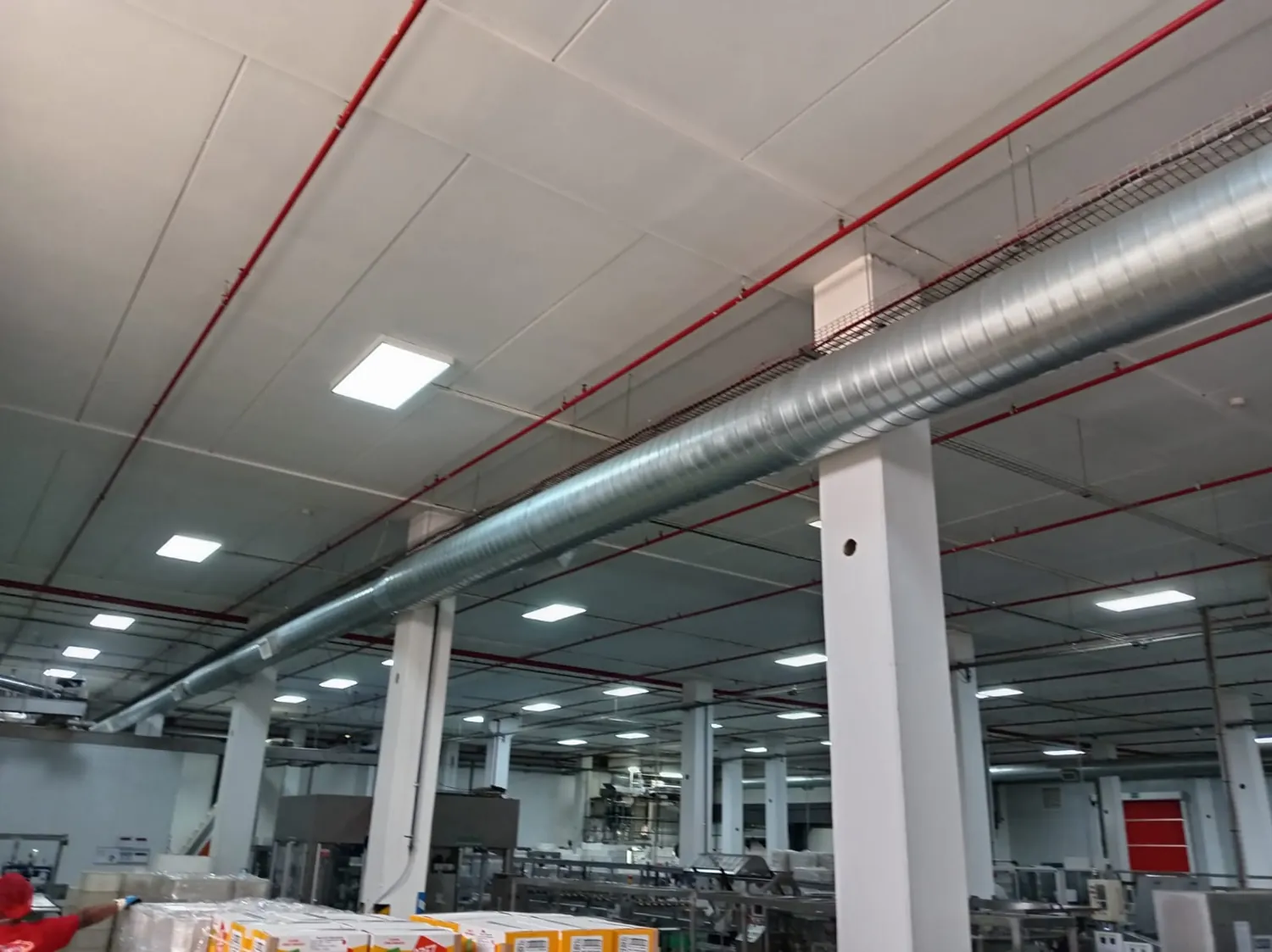
Factories and workshops in Klerksdorp use industrial exhaust fans to remove process heat, stale air and certain non-hazardous airborne by-products. The correct fan depends on the intended duty rather than only its diameter.
Long ducts, filters, dampers and wall louvers introduce resistance. Selecting a fan on free-air figures can leave an installed system underperforming.
How we investigate the requirement
Our installation scoping looks at required extraction points, air replacement, electrical supply, mounting details and expected operating hours before determining suitable equipment.
Manufacturing, installation and repair approach
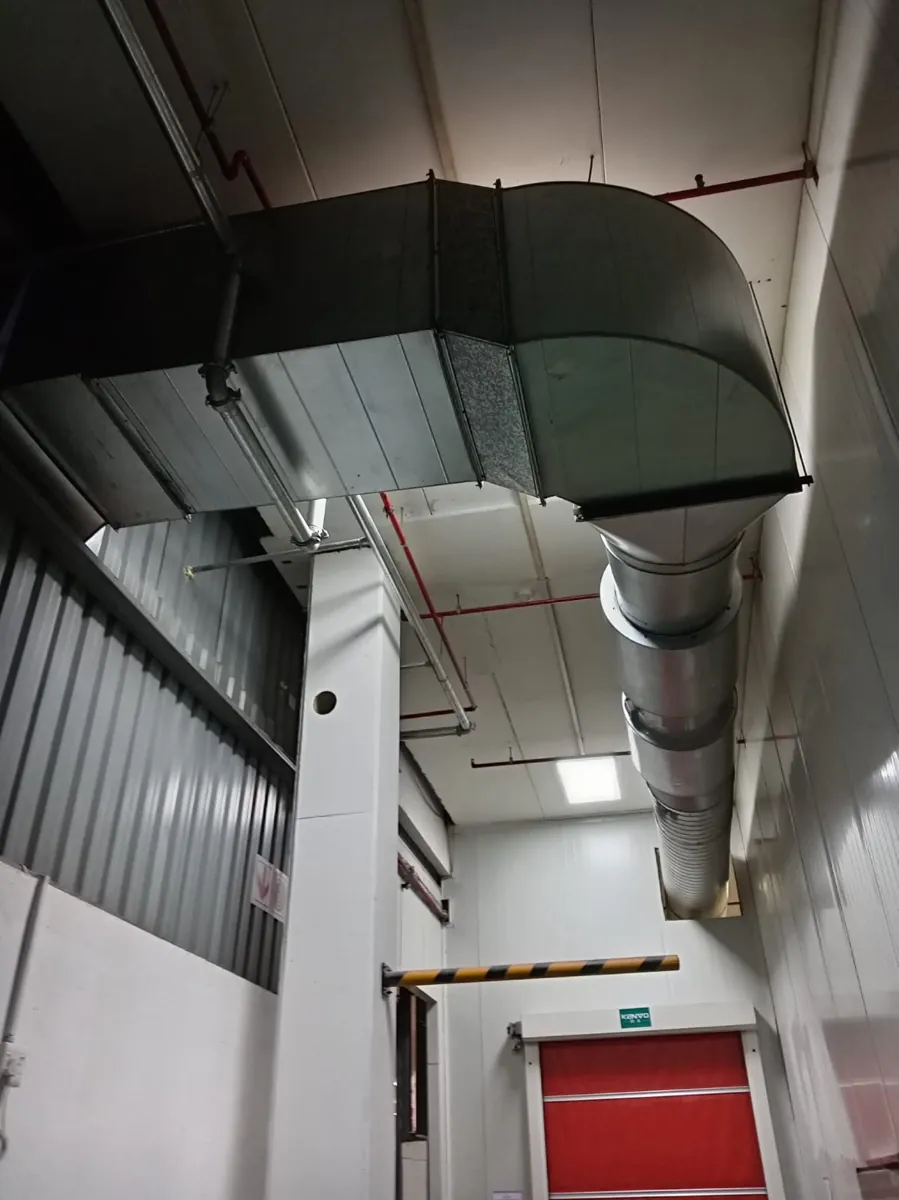
A completed installation plan should address supports, vibration isolation where needed, weather exposure, access for cleaning and commissioning checks.
Site safety and equipment selection
High-temperature, hazardous or explosive atmospheres require a specific engineering selection and appropriate equipment safeguards.
Information to include in your quotation request
Provide building dimensions, process description, duct drawings if available and information about the current extraction problem.
Discuss your North West project
Call 070 602 7216 or request a project quotation.
Equipment and operating considerations
Industrial fan installation around Klerksdorp may involve workshops or material-handling premises with limited space around existing services. We check whether the proposed fan must move warm clean air or operate against a filter and duct network. These demands influence the fan type and mounting position. Access for lifting and future bearing work should be planned alongside cable routes. A useful project enquiry includes the existing opening, process description, operating hours and any previous fan data.
Technical decisions that affect the result
An industrial exhaust fan needs to be selected for the resistance of the connected system, the material in the airstream and the required operating period. An axial fan suitable for open building ventilation may perform poorly once long ductwork or filters are attached. We consider mounting position, motor access, discharge and the existing electrical interface together before agreeing an installation scope.
For a Klerksdorp facility, photographs of the proposed opening and any current ducting help identify structural and lifting constraints. Specify whether the need is roof heat removal, workshop exhaust or process capture because each has different fan requirements. Commissioning should establish that air moves through the intended route under representative operating conditions, not just that the new motor starts.
Operating requirements and practical checks
A new fan needs an appropriate support or plinth and an electrical installation matched to its motor requirements. On a roof, access for lifting and subsequent maintenance cannot be left until after the unit arrives. We also discuss how the selected exhaust outlet will avoid drawing discharged air back into occupied spaces. If the existing duct system is retained, its condition and resistance must be considered before accepting the proposed fan selection.