
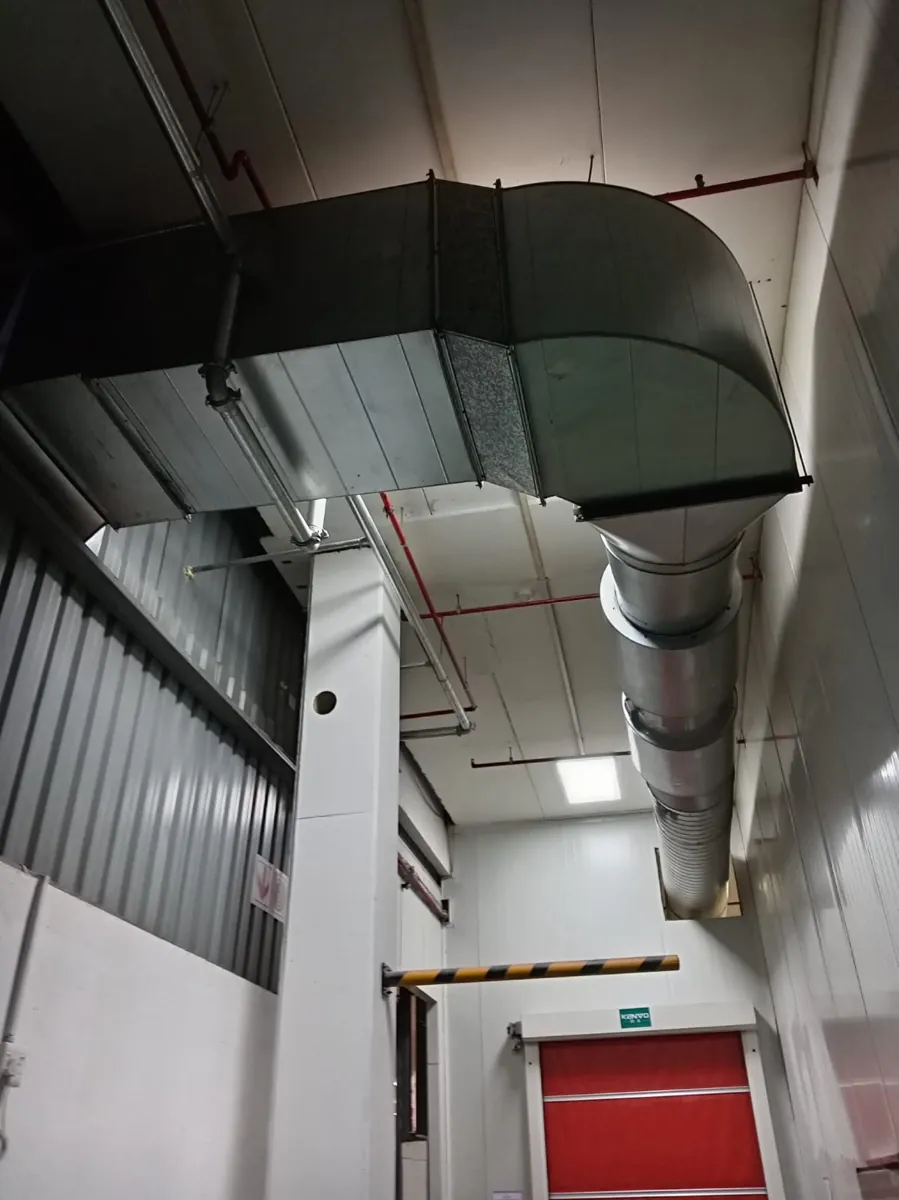
Multiple processes under one roof
Furniture factories often combine board cutting, drilling, routing, edge finishing and abrasive sanding. Each process creates a different dust profile, while operators may work on several machines at once. We assess whether one central collector can serve the operating pattern or whether separate extraction zones will make maintenance and airflow control more manageable.
Planning around changing production
Machinery layouts evolve as production lines change. Duct routing should leave access for material movement and future service points rather than obstructing overhead handling or loading bays. Machines with intermittent use may benefit from a carefully designed branch arrangement, while continuous sanding lines require attention to sustained fine-dust collection.
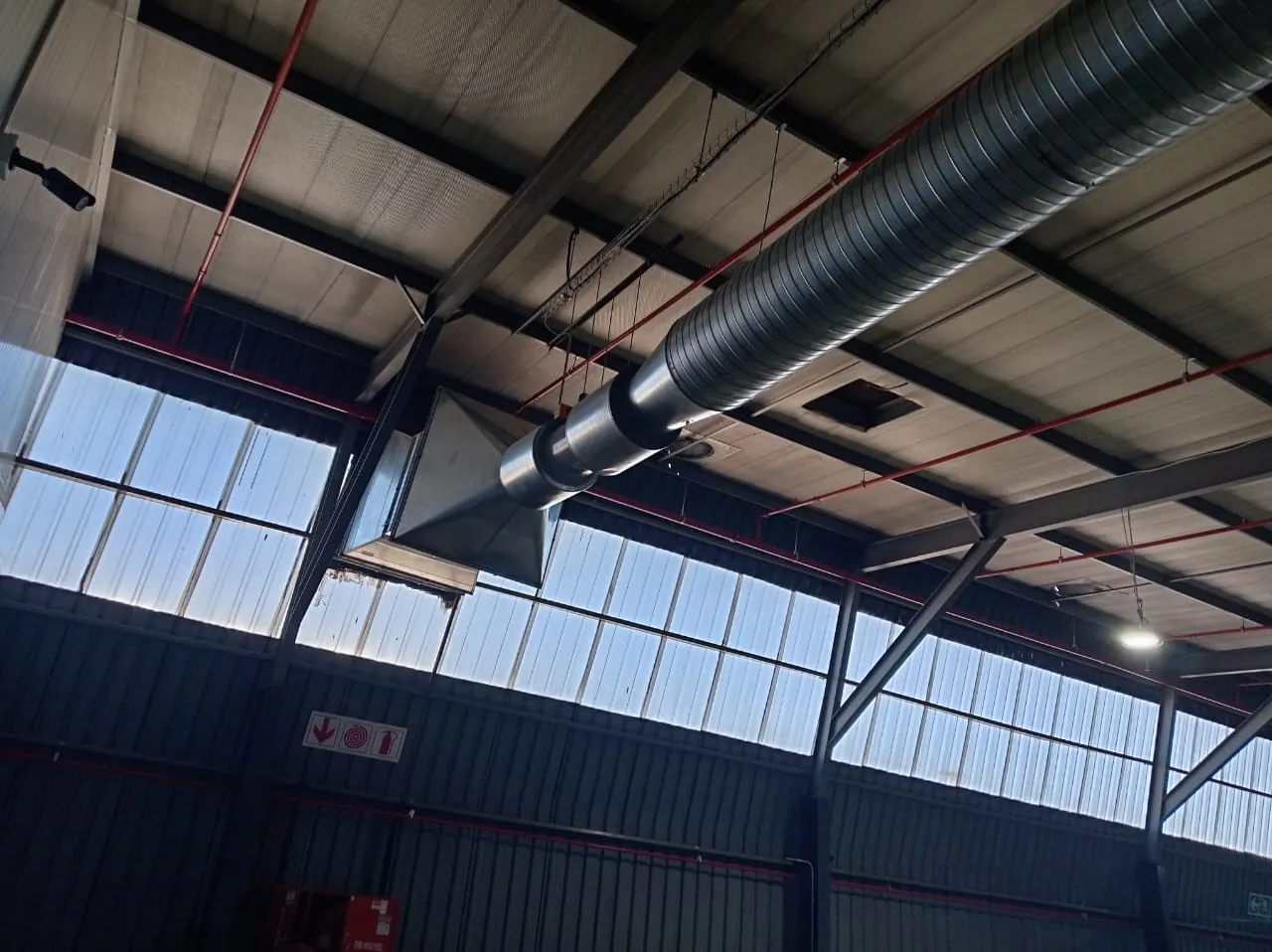
Filtration, waste handling and housekeeping
Collector choice must consider filter loading, waste volumes, available floor space and how collected material is transferred for disposal. Leaking flexible connectors, poorly sealed access doors and overfilled collection bins can undo otherwise effective source capture. Dust ignition hazards need appropriate specialist assessment, particularly where dry wood fines may accumulate.
Request a site-based quotation
Equipment and operating considerations
Furniture workshops often have sawdust, sanding fines and finishing activities operating close together. We distinguish wood-particle extraction from spray or solvent control: these streams may require separate systems and different equipment protections. A central woodworking collector must handle the number of tools in simultaneous use and provide practical emptying of captured material. We ask for the saw, router and sander list, connection sizes and production sequence. Combustible wood dust requires suitable hazard assessment before an extraction arrangement is finalized.
Speak to our industrial projects team
Request an industrial extraction assessment
Manufacturing scope and workable maintenance access
Furniture workshops often run saws, sanders and CNC routers that produce different sizes of wood particles. The extraction system needs to handle intermittent high chip loads as well as fine sanding dust. We assess which machines can operate together and whether existing branch controls affect suction at the furthest tools.
Shop-floor layouts may change as equipment is added, so ductwork and collector maintenance access deserve consideration in the original installation scope. Wood dust can be combustible and requires specialist fire and explosion hazard evaluation. Provide machine outlet sizes, floor layout and collection-bin arrangements when requesting a quotation.
Manufacturing details to confirm before fabrication
Furniture production frequently changes between panel cutting, sanding and assembly, which can shift where extraction demand is greatest. We ask for an equipment schedule and any automatic blast-gate or branch control arrangement already in place. Fine sanding dust may require different filter and safe-cleanout considerations from coarse saw chips. The ability to expand the system when new machines are added should be understood before the principal duct route is fabricated.