
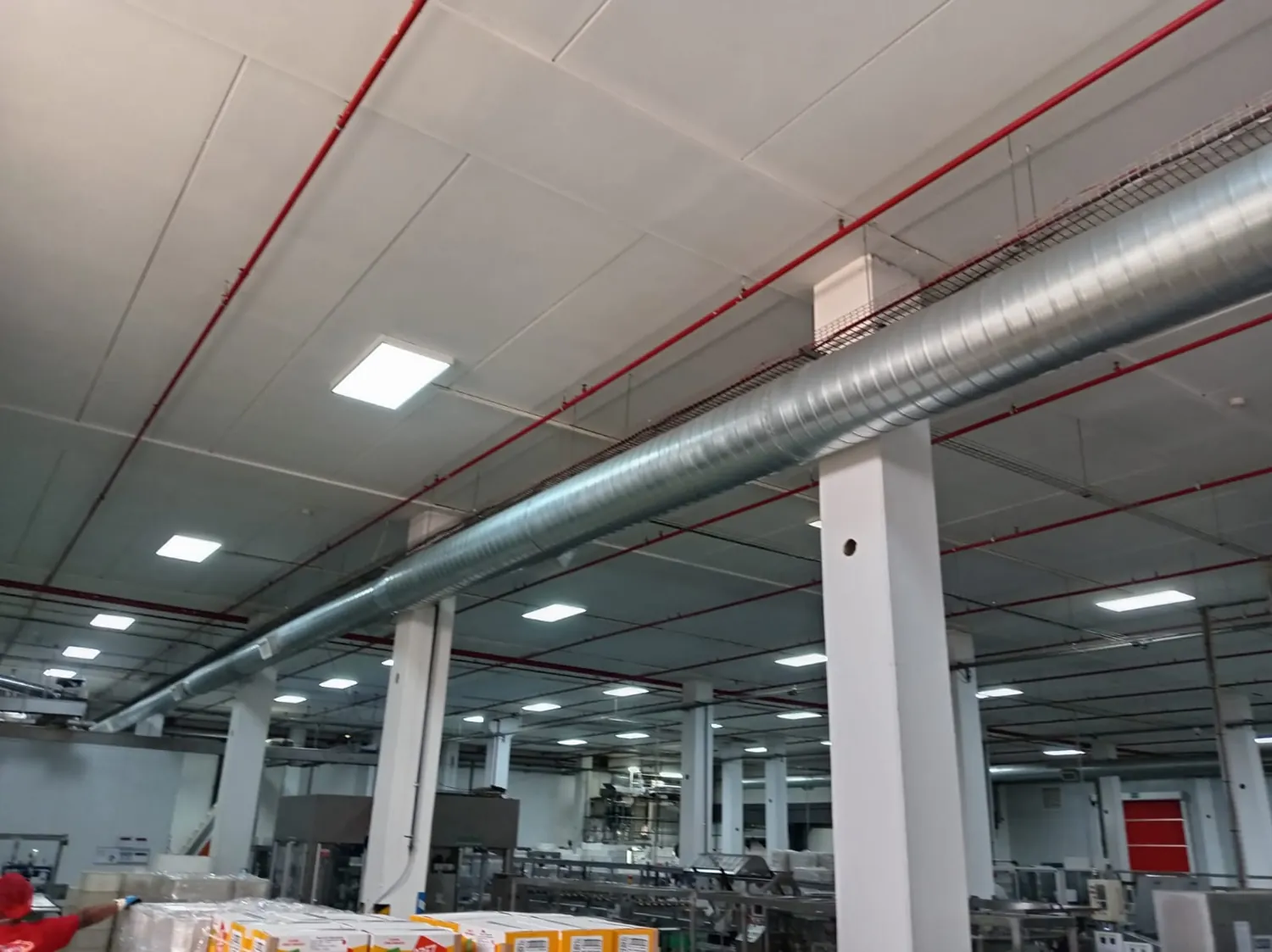
Operating challenges and equipment requirements
Production sites around Durban include food handling, fabrication, packaging and bulk material operations. Dust control for each is fundamentally different: a transfer point may need enclosure and capture velocity, while fine powder at a packaging line needs close-source extraction and reliable filtration.
How we establish the right work scope
We begin by identifying where dust is created, how material is transferred, which equipment is already connected and how many points operate simultaneously. Existing collector pressure readings, duct sketches and photos help determine whether the immediate need is maintenance, a redesigned branch or a new collector.
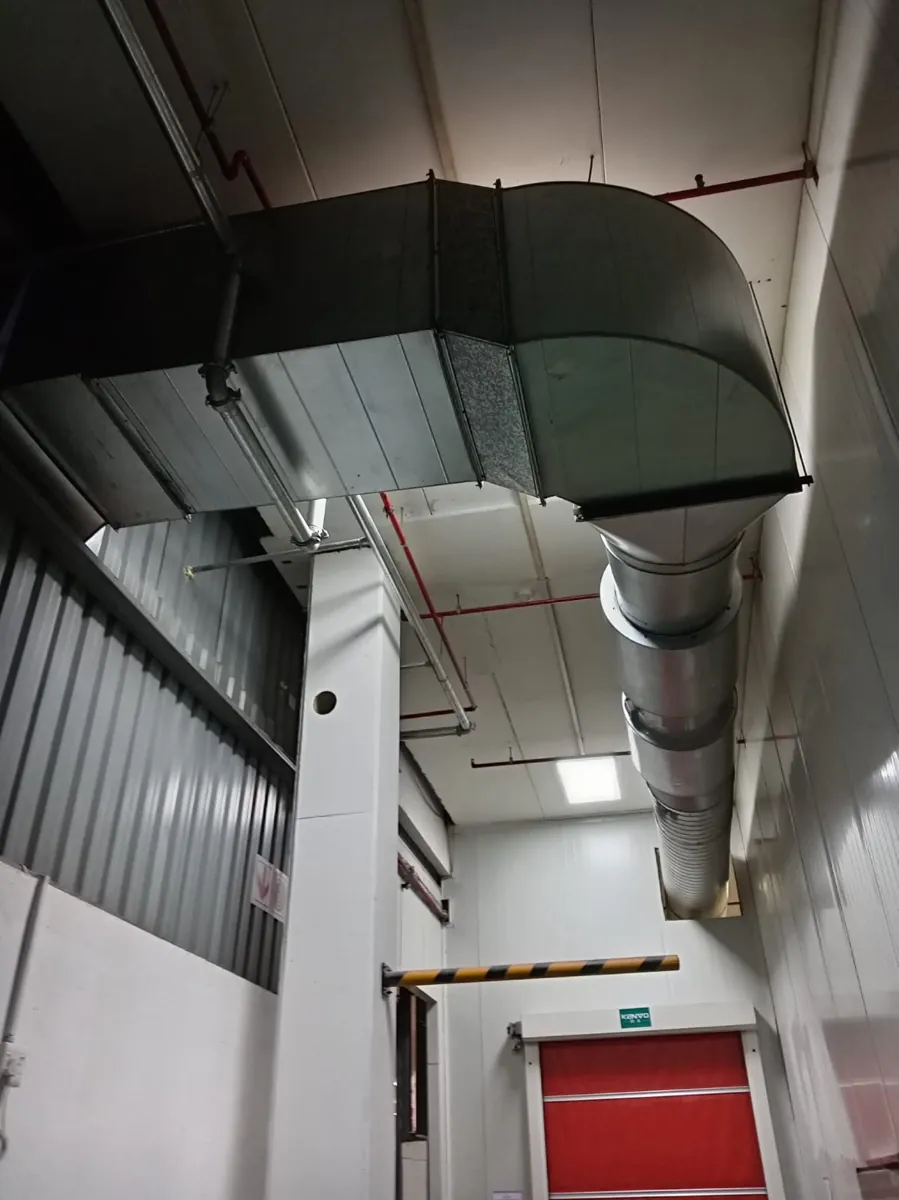
Installation, fabrication and repair considerations
A properly considered installation addresses hood position, branch balancing, filter access, dust discharge and safe servicing space. Where combustible dust may be present, specialist hazard assessment and suitable explosion and ignition safeguards must be addressed before a system is specified.
Information for a practical quotation
Provide the processed material, approximate throughput, operating shifts and photographs of dust release points. For an existing collector, include fan and filter details and describe when performance deteriorated.
Planning the job around your operation
Dust extraction for Durban production facilities
Durban operators processing timber, packaging, dry ingredients or fabricated components need the extraction design to follow the production process, not simply the building footprint. Coastal moisture and salt exposure can also influence where exposed fans, duct supports and electrical equipment are placed. We discuss these constraints during scope development rather than recommending a collector from a generic air-volume estimate.
At transfer points and cutting stations, dust can escape before it reaches a distant room exhaust. We review pick-up positions, enclosure openings, simultaneous machine use and the route from the source to the collector. A poorly balanced branch can starve the furthest machine even when the main fan appears to run normally.
For a Durban quotation, send photographs of each dust source, material safety data where available, machine quantities, approximate run lengths and the operating shift pattern. Identify whether the plant handles potentially combustible or hazardous dust; those applications need a properly qualified hazard assessment before equipment is specified.
Discuss your Durban requirements
Equipment and operating considerations
Durban industrial extraction projects may involve workshop processes, cargo handling or production where airborne material escapes at conveyors and machinery. We review the source of the dust and whether a local enclosure would reduce the amount of air requiring treatment. Coastal conditions can affect external equipment supports but do not replace proper material selection. A project enquiry should include the substance handled, equipment arrangement and operating schedule. A collector sized only for an empty building will not necessarily capture emissions at active process points.