Equipment requirements and operating conditions
Ventilation and extraction equipment is often essential to production, yet deteriorating bearings, blocked ducts or loaded filters can go unnoticed until performance drops. We help industrial facilities plan maintenance around their installed fans, collectors and duct networks. The programme should reflect equipment duty, plant operating hours and the risks of unexpected failure.
How we scope the work
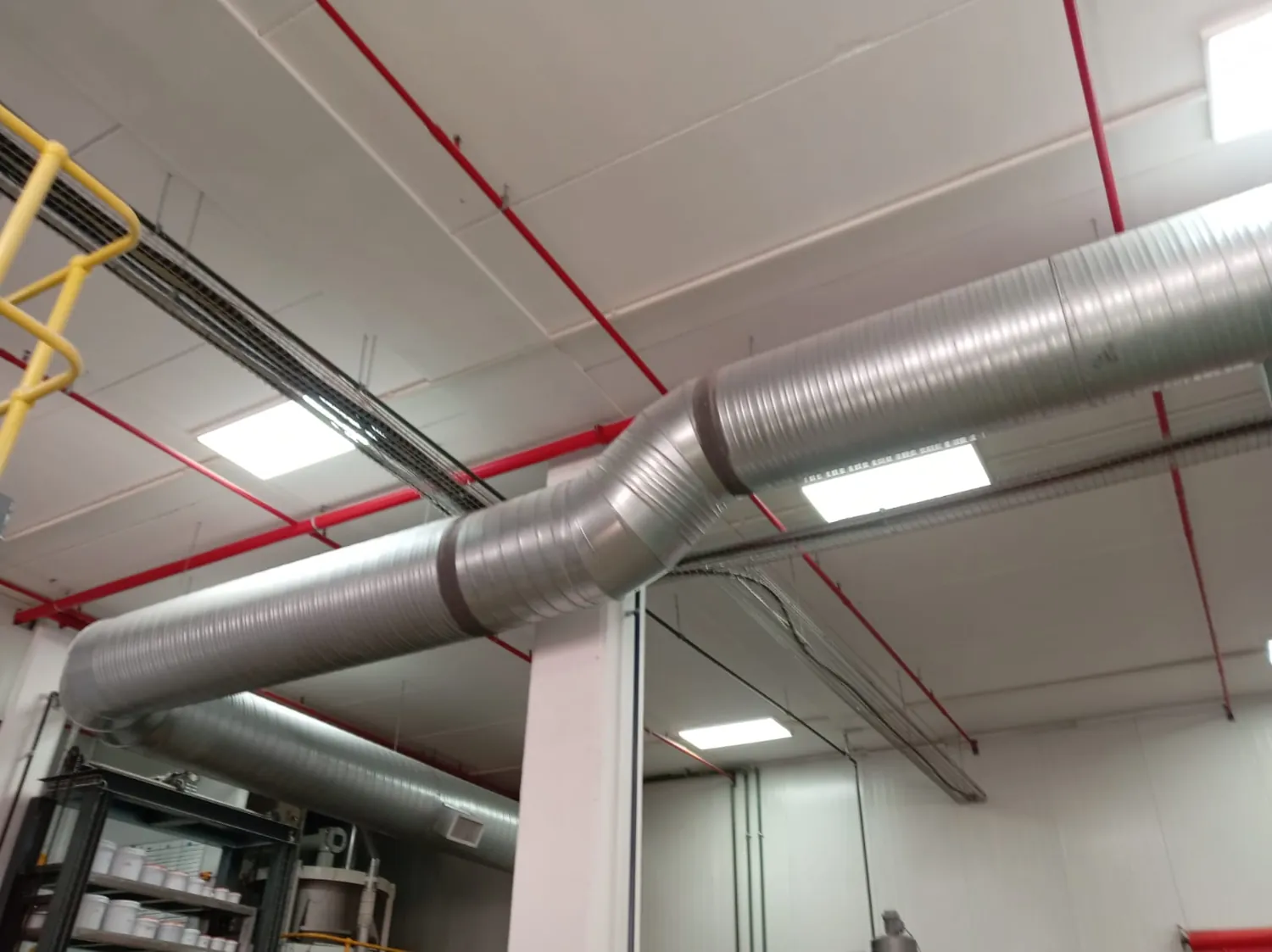
An asset review identifies fan types, installed collectors, filter systems, controls, access routes and previous breakdown patterns. We ask whether there are recorded readings for vibration, differential pressure or airflow and which locations are difficult to reach. This information supports a maintenance scope that targets actual failure risks rather than a generic equipment checklist.
Manufacturing, installation or service approach
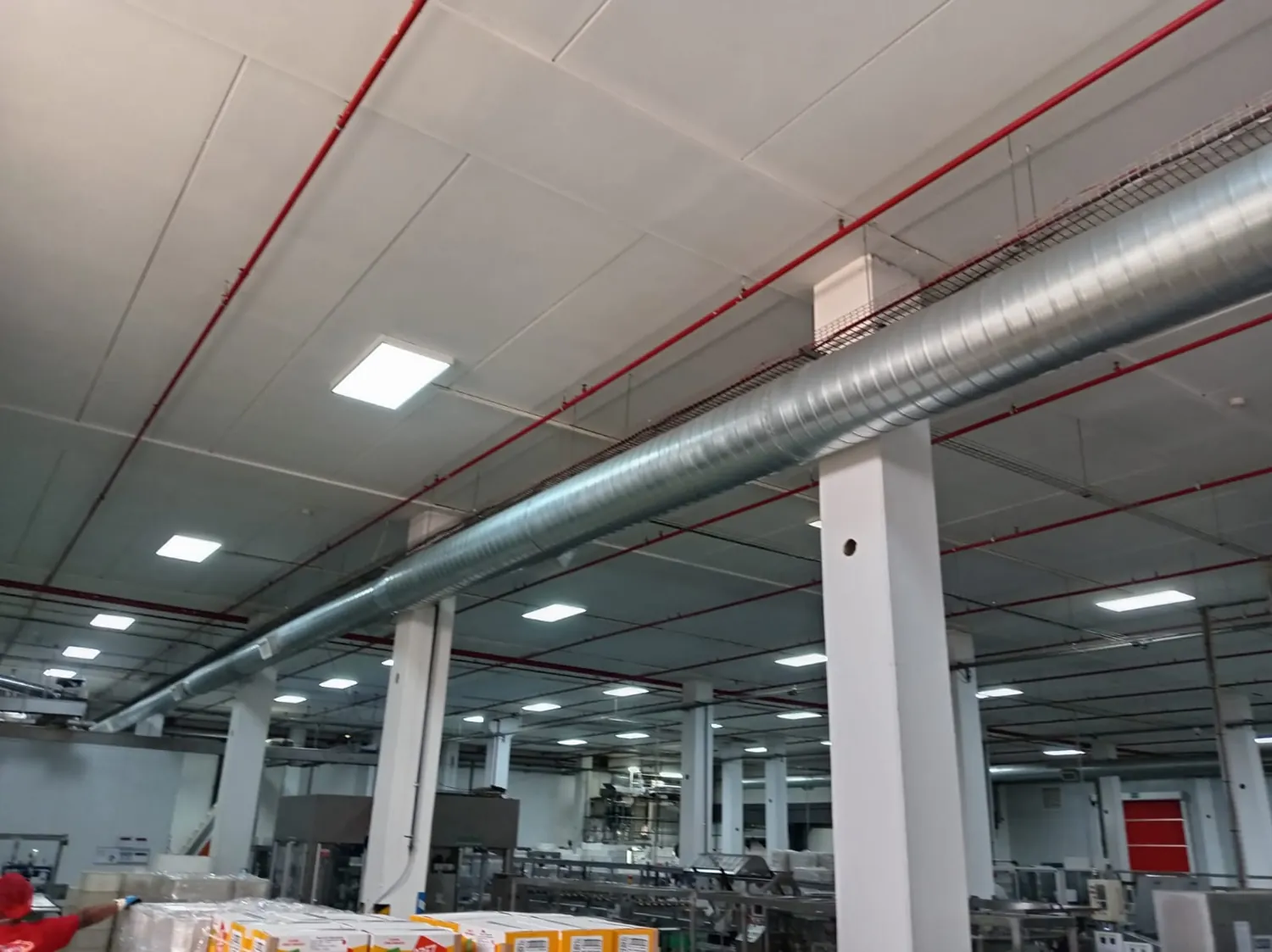
Scheduled work can cover accessible equipment inspection, routine mechanical attention, visual duct and support review, filter condition checks and recommendations for corrective repairs. Major replacement parts and specialist testing can be separately scoped. For production sites we plan access and isolation around agreed shutdown windows and site permit procedures.
Technical safeguards and limitations
Dust exposure, working at height, moving parts and stored energy make industrial maintenance safety-critical. Some extraction applications need specialist process or hazard controls beyond ordinary mechanical service. We identify those boundaries rather than claiming routine maintenance automatically establishes statutory compliance.
What to provide for a quotation
Send an asset list or photographs of the main equipment, plant location, operating shifts and any available breakdown history. We can then discuss a realistic first inspection and how maintenance visits might fit with your operating schedule.
Discuss the scope with our technical team
Request a project quotation
Set the service scope by criticality
A ventilation system protecting a critical process requires a different maintenance plan from a comfort exhaust fan. We discuss the consequences of a failure, running hours, exposure to dust or heat, and the availability of standby equipment. The plan should identify which checks are routine and which require a production shutdown.
What condition monitoring can cover
Depending on equipment, inspection may include fan condition, fasteners and supports, vibration symptoms, duct leakage, filter restrictions, corrosion and control alarms. Recorded trends are more useful than one-off observations. Significant faults should be prioritized with the plant team and separately scoped for corrective work.
Building a maintenance proposal
Provide an equipment register, site location, operating hours, existing maintenance records and permit requirements. We can discuss a practical service scope and reporting format so supervisors know what has been checked and what requires action.
Equipment and operating considerations
Ventilation maintenance should cover air paths as well as motors. Louvres can become obstructed, flexible joints can leak and dampers can drift from their intended positions, gradually changing airflow distribution. We discuss fan inspection, access to duct interiors and service records that identify trends rather than isolated failures. Equipment linked to hazardous extraction may need different controls from ordinary comfort ventilation. Each planned visit should document defects and distinguish immediate safety concerns from improvement recommendations.