The work and operating conditions
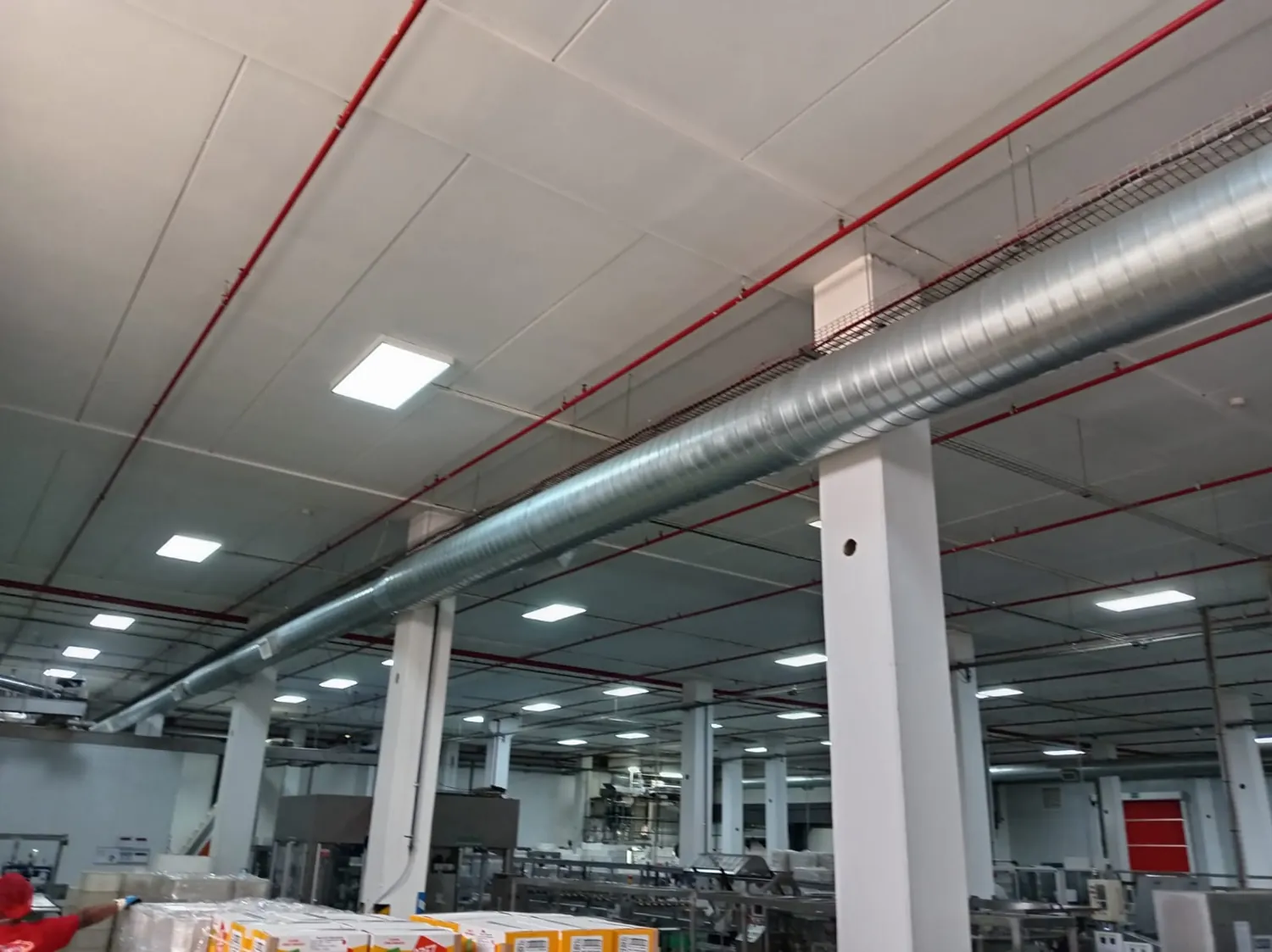
Workshops, food-processing areas and warehousing facilities around Thohoyandou face different ventilation challenges, from heat at occupied workstations to machine-generated dust and exhaust at process points.
Hot roof spaces and building openings influence natural airflow. Fans positioned without a replacement-air strategy can create noise and energy use while leaving working areas uncomfortable.
How we investigate the requirement
We first distinguish general heat-removal needs from contaminants requiring source extraction, then examine the building layout, roof type, internal obstructions and operating patterns.
Manufacturing, installation and repair approach
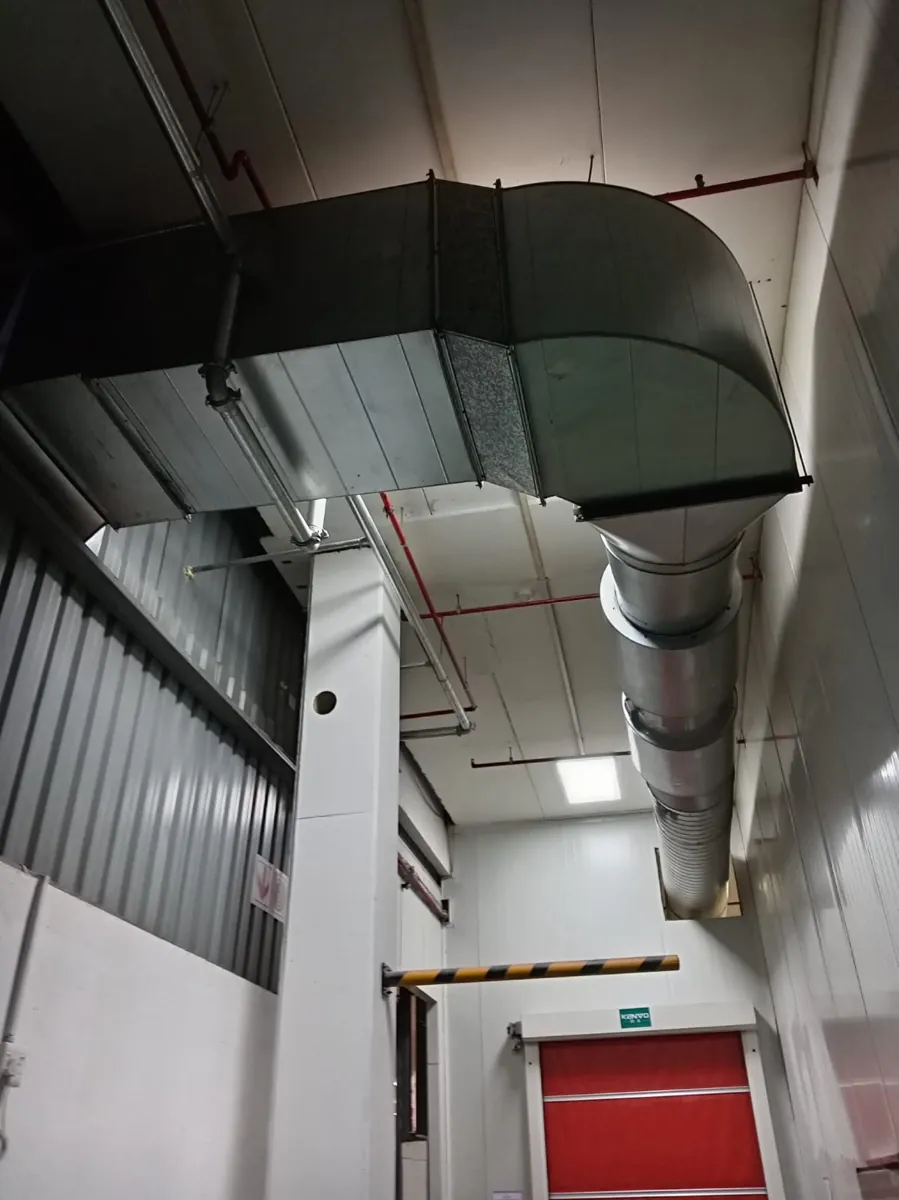
Installation may involve suitably positioned industrial fans, ducts, hoods, ventilation controls or servicing of existing plant, depending on what the site assessment identifies.
Site safety and equipment selection
Airborne hazardous substances cannot be assumed safe because a large room exhaust fan is fitted; exposure control requires appropriate specialist design.
Information to include in your quotation request
Send a simple layout, roof height, machine list, photos of airflow obstructions and the times when heat or fumes become most noticeable.
Discuss your Limpopo project
Call 070 602 7216 or request a project quotation.
Equipment and operating considerations
Workshops around Thohoyandou may combine enclosed work bays with doors opened for vehicle or material access. Air movement changes as these openings operate, so we look at workstations and processes rather than assuming permanent cross-ventilation. Heat control, welding fumes and particulate extraction can require distinct equipment. We discuss roof and wall options, safe discharge and available maintenance access. A site layout and the worst affected operating periods help identify the next technical steps.
Practical ventilation choices for the building
An occupied workshop and a storage hall may require different ventilation responses even within the same premises. Machines releasing process heat or contamination may justify local hoods, while accumulated roof heat can need a more general air path. We review the position of operators, existing openings and machinery schedules before discussing additional fan capacity.
For a Thohoyandou installation enquiry, send roof and interior photographs, approximate building dimensions and a short description of the worst affected area. Ventilation should not direct contaminated air towards adjacent staff spaces or fresh-air intakes. Service access, electrical isolation and future equipment additions should be considered before an opening is cut or a support fabricated.
Airflow evaluation and equipment access
Ventilation can be checked by observing how air enters a room and reaches the actual workstations, not simply by standing near an operating fan. Where new machinery has blocked an existing air path, relocating an inlet may be more useful than increasing exhaust capacity. The facility should identify any fumes, dust or vehicle emissions that require dedicated controls. A quote can then separate general airflow improvements from additional source extraction equipment.