
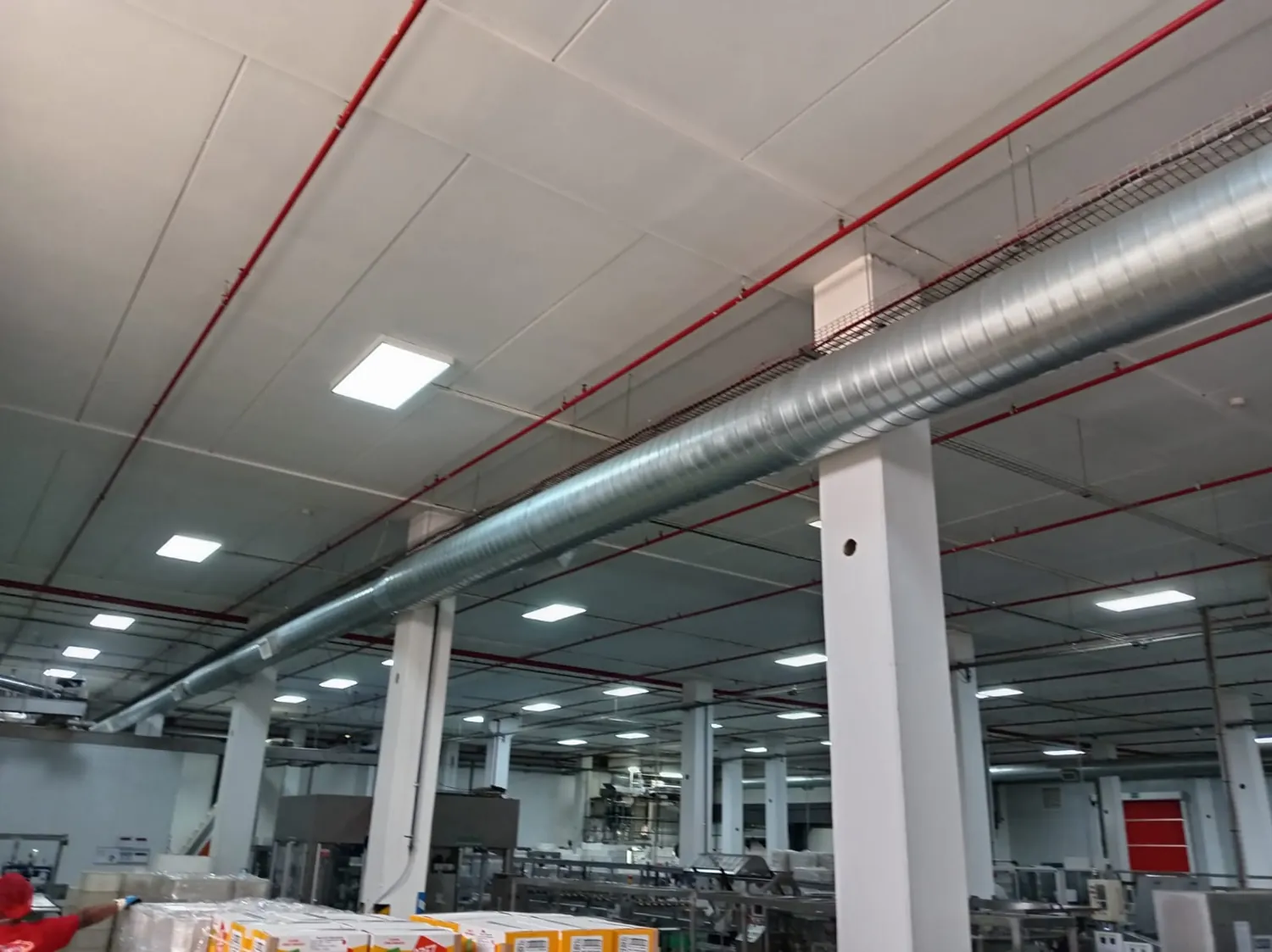
Variable feed materials
Recycling plants may handle plastic, paper, metal, timber and mixed waste. Dust release depends on how material is shredded, separated, conveyed and stored. We ask what enters the process and whether there are predictable changes in feed type because a collector designed for one uniform material may struggle with changing loads or sticky contamination.
Rugged installation requirements
High wear, difficult maintenance access and changing machine layouts affect ducting and fan installation. Collection points must remain accessible for clearing blockages and inspecting wear. We discuss which operations run continuously and whether source capture should be divided into separate circuits to keep different material streams from mixing.
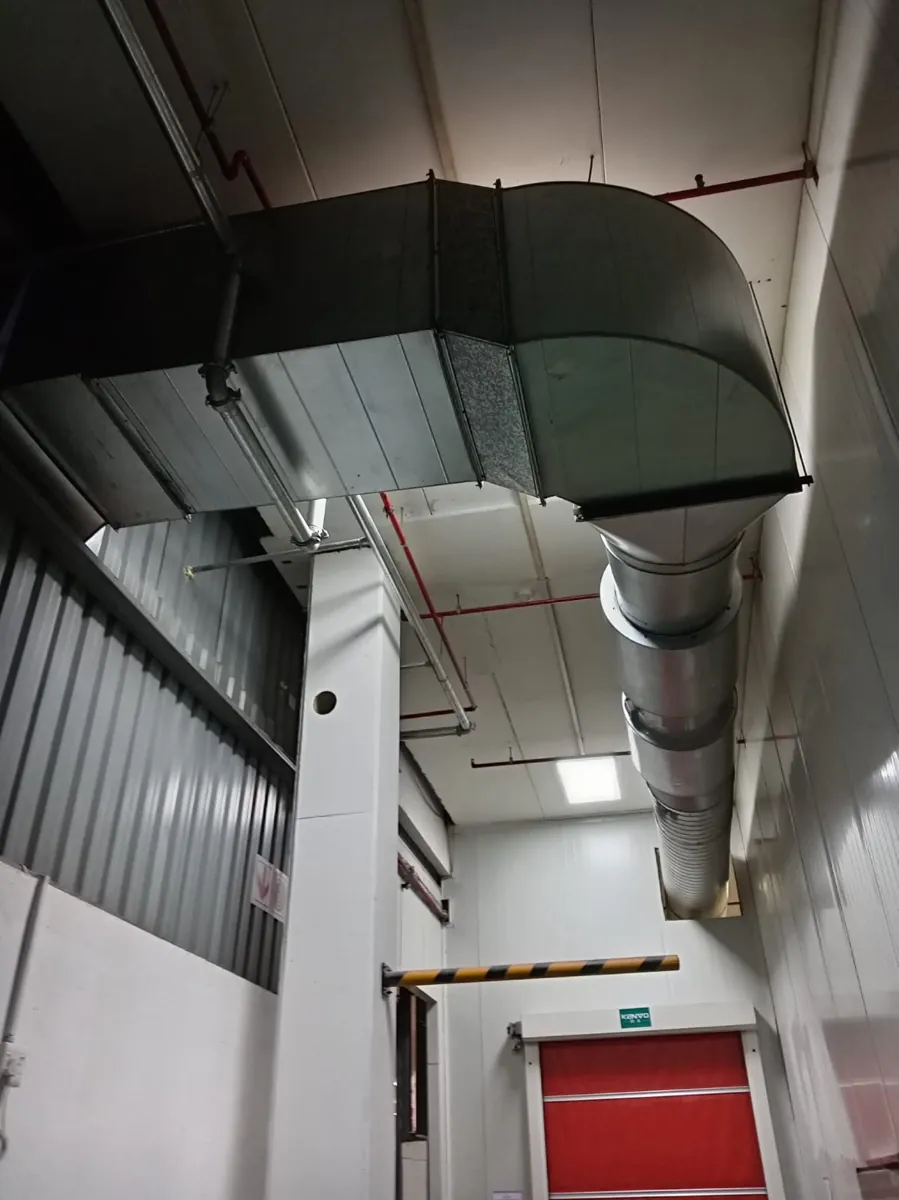
Fire, dust and contaminants
Recycling streams can include ignition sources, combustible dusts or hazardous contaminants. Material-specific assessments are needed before filtration, fan or recirculation arrangements are selected. We avoid promising a universal extraction solution for unidentified mixed waste.
Request a site-based quotation
Equipment and operating considerations
Recycling operations can handle mixed materials with unpredictable particle sizes and contamination. The extraction design must consider where material is tipped, shredded or transferred, plus the possibility of sparks or combustible fractions. Abrasive fines and lightweight film behave differently in ductwork, so material characterization matters. We discuss accessible pickup enclosures, filter cleaning and waste discharge without assuming one collector suits every stream. Plant operators should provide material categories, equipment layouts and notes on changing production loads.
Speak to our industrial projects team
Request an industrial extraction assessment
Technical decisions that affect the result
Recycling lines can generate different dust streams at sorting stations, crushers, conveyors and material drop points. One filtration medium may not suit every recovered material, especially where contamination or moisture varies between loads. We look at the release points and the chance of carryover into downstream machinery before discussing collector construction or duct changes.
A recycling extraction enquiry should describe the incoming materials, separation process and how collected residue will be removed. Moving equipment, cleaning access and abrasive impacts can complicate an otherwise straightforward duct route. Potential sparks, combustible fractions or other hazardous contaminants need independent risk assessment before system materials, filtration and safety provisions are finalized.
Operating requirements and practical checks
Dust collection at a recycling facility often needs maintenance provisions for changing material grades and irregular debris. Access doors should allow inspection at areas likely to clog, and the waste outlet must suit the collected fraction. We would not assume that dry paper dust, mixed plastic fragments and abrasive fines can share identical filtration or fire-safety assumptions. Operational segregation and the applicable hazards review need to inform the final equipment scope.
Where materials vary significantly between shifts, the operating procedure should state what cannot safely enter the collection system. This is a practical boundary for both equipment selection and staff training.