
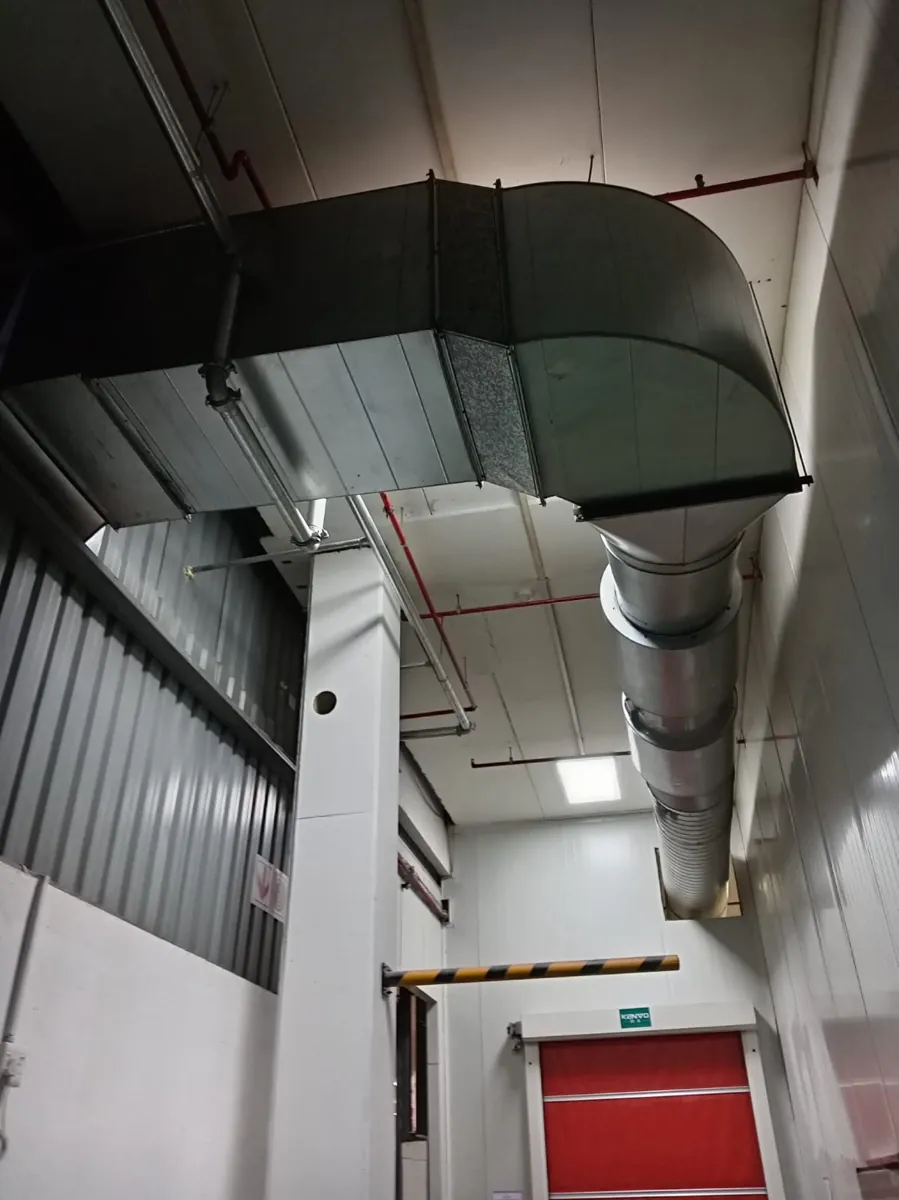
Specialized spaces need reliable temperature control
Server rooms, network cabinets and electrical equipment spaces may generate heat around the clock with limited tolerance for cooling interruptions. We discuss the equipment duty, room arrangement and continuity requirements before proposing installation or repair. Ordinary comfort air-conditioning may not be appropriate where equipment availability or redundancy is critical.
Air distribution and sensible heat
Hot spots can result from short-circuiting between supply and return air, obstructed grilles or changes to cabinet layout. The internal heat load and operating schedule matter more than room size alone. We ask how air moves through the room and whether monitoring or alarms are already in place.
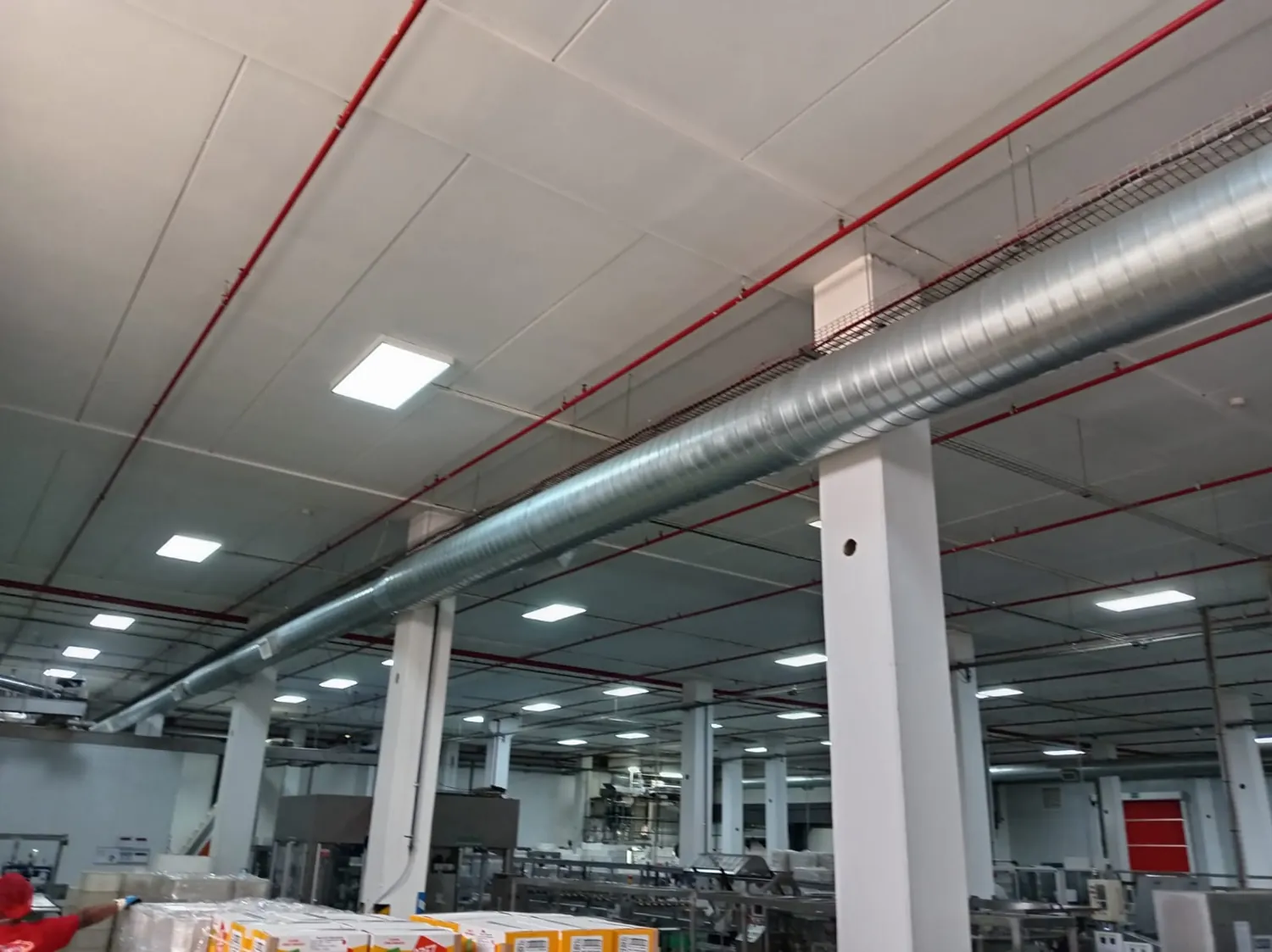
Repair and replacement planning
For an existing unit, the immediate concern may be restoring dependable cooling while protecting the room from unexpected temperature rise. Redundancy, alternative cooling and coordinated outages should be assessed before intervention. Electrical and refrigerant work requires suitably competent personnel; critical environments may require specialist engineering input.
Maintenance and monitoring
Filter condition, condensate drainage, outdoor condenser cleanliness and fault alerts can affect reliability. Maintenance visits should reflect access restrictions and the operational sensitivity of the room. We do not promise uninterrupted service without an agreed resilience design.
Describe the room and equipment
Provide cabinet counts, approximate electrical heat loads if known, operating hours, temperature requirements, photos of cooling equipment and existing alarm or monitoring arrangements. Mention whether there is standby cooling and who authorizes outages.
Equipment and operating considerations
Equipment rooms have heat loads that continue when staff leave the building. We review the actual IT and electrical load, airflow paths through racks and how the room behaves if one cooling unit fails. Blocked return grilles and short-circuiting of cold discharge back to the unit can create hotspots even when overall cooling capacity looks adequate. Any cooling work must consider alarm integration, redundancy requirements and change-control windows. We ask for a rack layout and recent temperature/alarm trends before scoping an intervention.
Discuss your project with our team
Request an HVAC project assessment
Technical decisions that affect the result
Cooling for an equipment room is judged by conditions at the IT intake and continuity of service, not only by the return-air temperature at a wall thermostat. Uneven racks, blocked airflow paths or an outdoor-unit fault can create local overheating long before the whole room feels warm. We look at equipment arrangement, alarms and available redundancy.
A quotation should state rack heat loads where known, critical operating periods and which cooling units can be isolated safely. Control and power changes must be coordinated with site owners to avoid avoidable service interruption. System selection and maintenance should account for monitoring, condensate control and accessible service routes.