
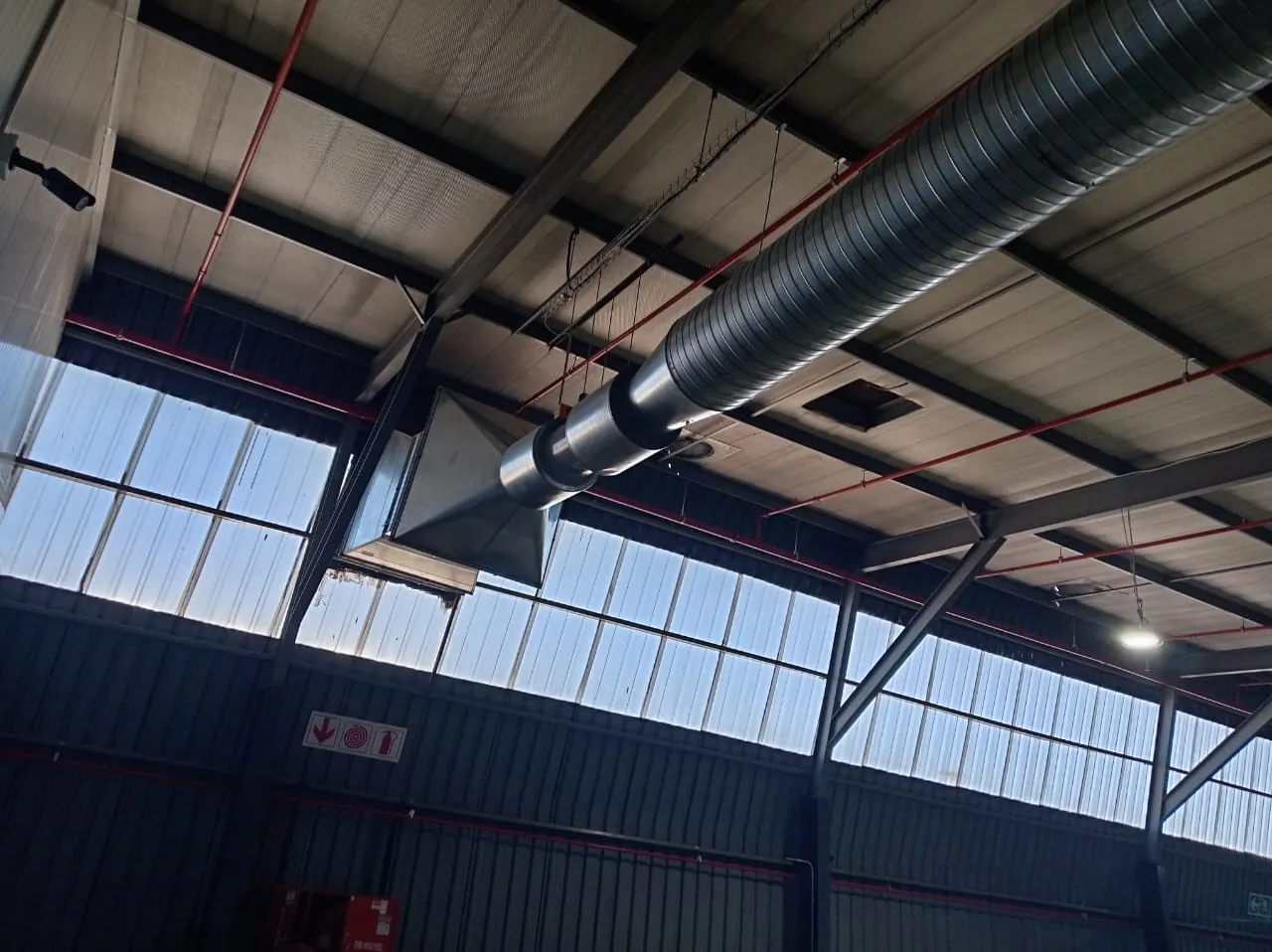
Rooftop failures affect entire zones
A rooftop packaged unit may serve a large store, warehouse office or shared commercial zone. When the system trips, a wider area can lose cooling at once. We first establish which unit or zone is affected, whether a building management system has recorded alarms, and whether safe roof access is available.
Exposure-related faults
Rooftop equipment faces sun, rain, airborne debris and sometimes contaminated discharge from nearby extraction outlets. Fouled coils, failed condenser fans, electrical problems, defective controls and drainage faults can all contribute to unreliable cooling. Fault finding needs to distinguish between an internal equipment failure and an external site condition.
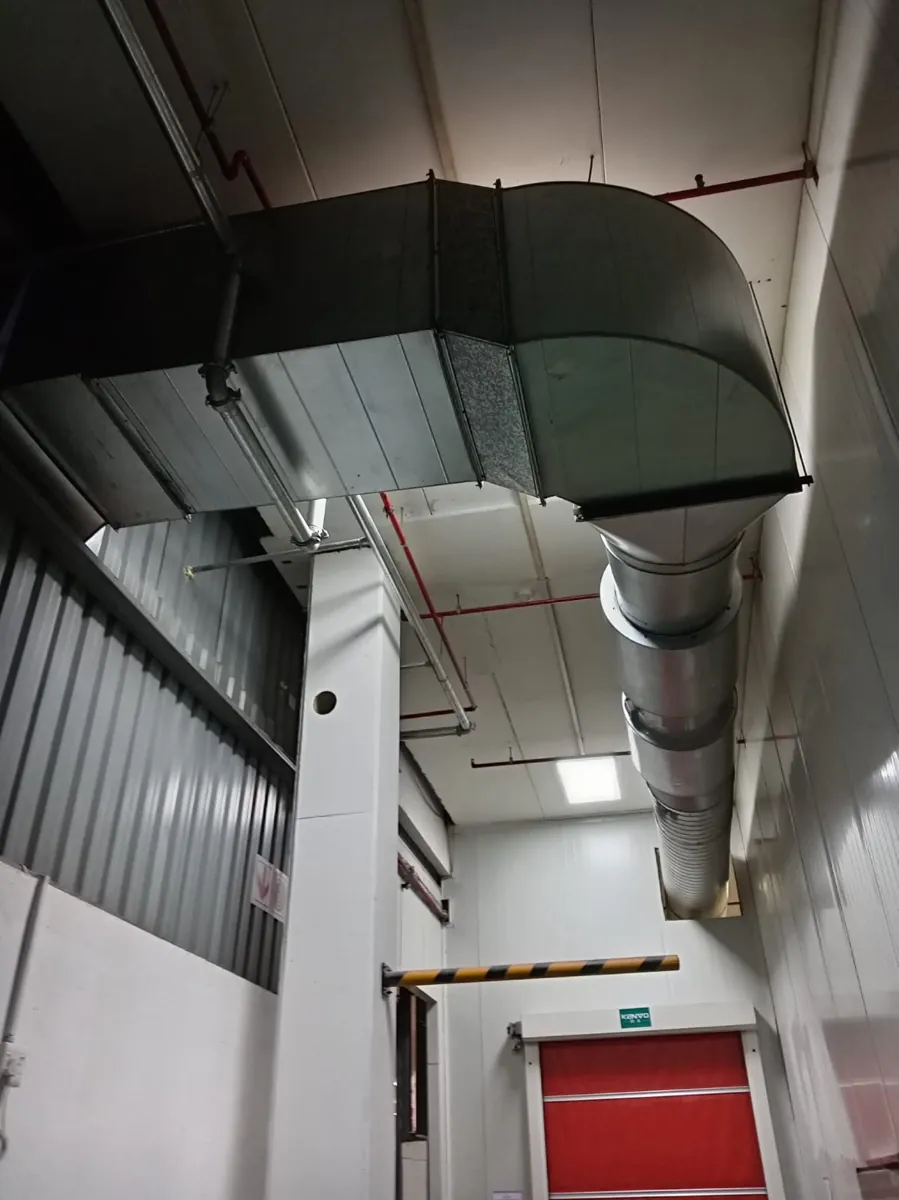
Access and repair scope
Work at height, isolation points, roof fragility, weather and lifting requirements can determine the repair programme. Replacement of heavy components may require additional access arrangements. We plan repair discussions around confirmed defects and equipment support, rather than promising that every old packaged unit has readily available parts.
Avoiding recurrence
If a rooftop unit repeatedly trips in high temperatures, simply resetting the protection will not identify the root cause. Airflow around the condenser, maintenance clearances, blocked coils and controls should be considered. We can discuss planned care or replacement when the equipment condition makes repeated repair uneconomic.
Send these details
Provide site photos, a unit nameplate, alarm codes, service history and roof access instructions. Let us know how many areas are affected and whether work requires approval from the landlord or facilities manager.
Fault patterns and repair decisions
Rooftop units are exposed to weather and often serve several zones through connected ducts. When a unit trips, we ask whether one zone or the entire system is affected and review error history, filter loading and airflow. Safe roof access, isolation and lifting arrangements may govern what can be repaired during one visit. Corrosion, drainage problems and damaged weather seals can contribute to faults. Refrigerant and electrical work require suitably qualified personnel, with post-repair checks under representative demand.
Discuss your project with our team
Access and diagnosis on exposed plant
Rooftop systems can suffer airflow restrictions, control problems, weather-related deterioration and component faults. Repairs may be complicated by unsafe access, congested plant areas or weather exposure. We request model information and recent faults before planning inspection and any necessary lifting or isolation arrangements.
Repairing with future maintenance in mind
Where recurring failures are linked to blocked airflow or poor service access, replacing the damaged component alone may not resolve the issue. We document visible installation concerns and distinguish immediate restoration from recommended improvements. Site managers should know which operational restrictions or follow-up works remain after a repair.
Request an HVAC project assessment
Repair assessment and acceptance checks
Rooftop plant repairs should account for access, lifting routes, fall protection and secure electrical isolation before components are opened. A fault caused by poor condenser airflow can recur if surrounding obstructions remain. We ask for unit model, alarm history and the areas served. Where cooling is critical to business continuity, the repair plan should identify possible temporary arrangements and confirm commissioning under representative demand.