
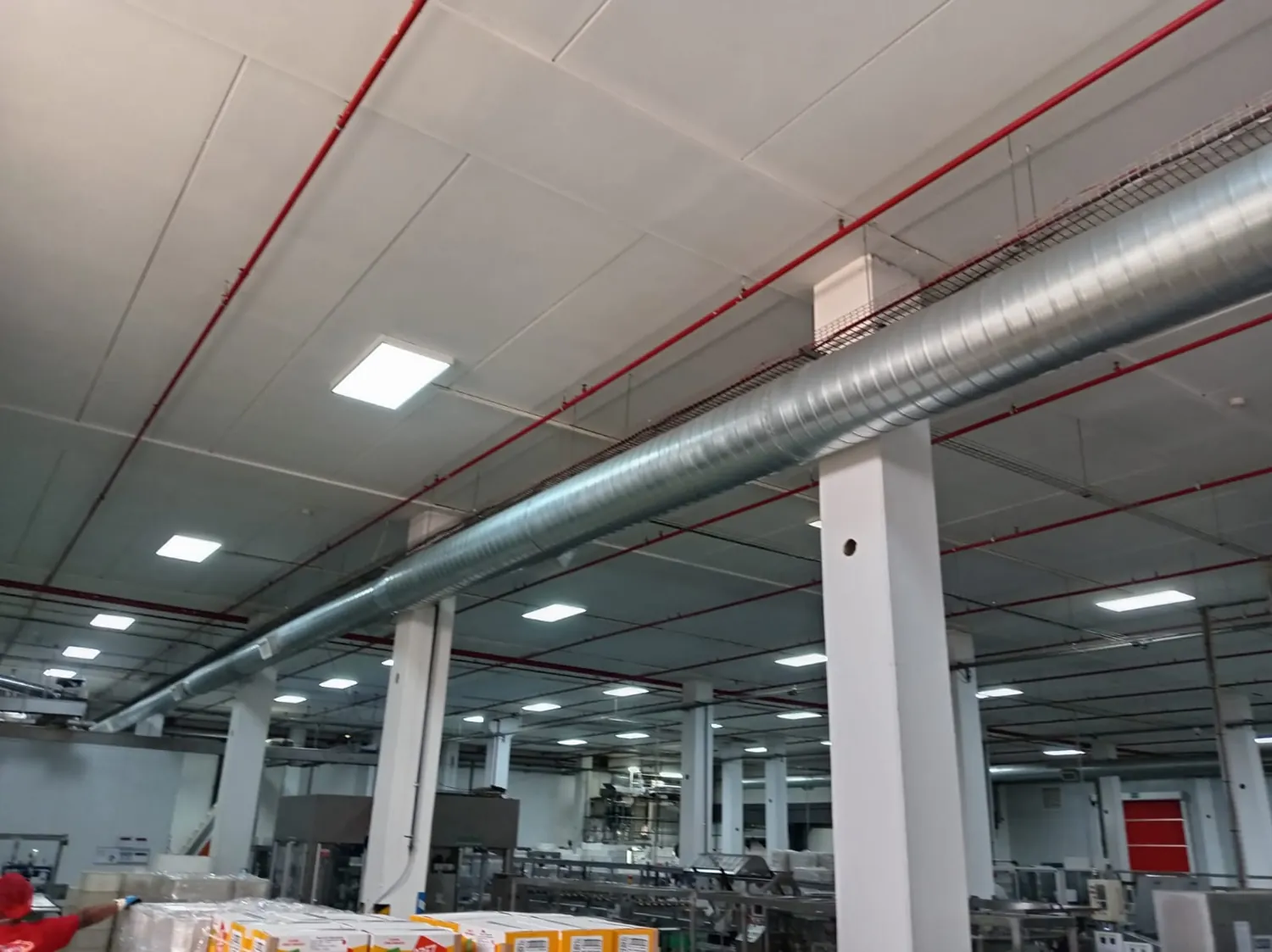
When ducted cooling becomes uneven
Complaints about warm offices or weak diffusers do not always mean the compressor has failed. A ducted system combines refrigeration equipment, fans, filters, controls and an extensive air path. We investigate whether the difficulty concerns one zone, all supplied areas or a change after building alterations.
Airflow and controls
Blocked return filters, collapsed flexible duct, disconnected branches, damaged dampers and faulty actuators can reduce cooling delivery. Malfunctioning sensors or controls may prevent a zone from calling for the right airflow. A meaningful inspection considers accessible ductwork and the indoor unit, not only the outdoor condenser.
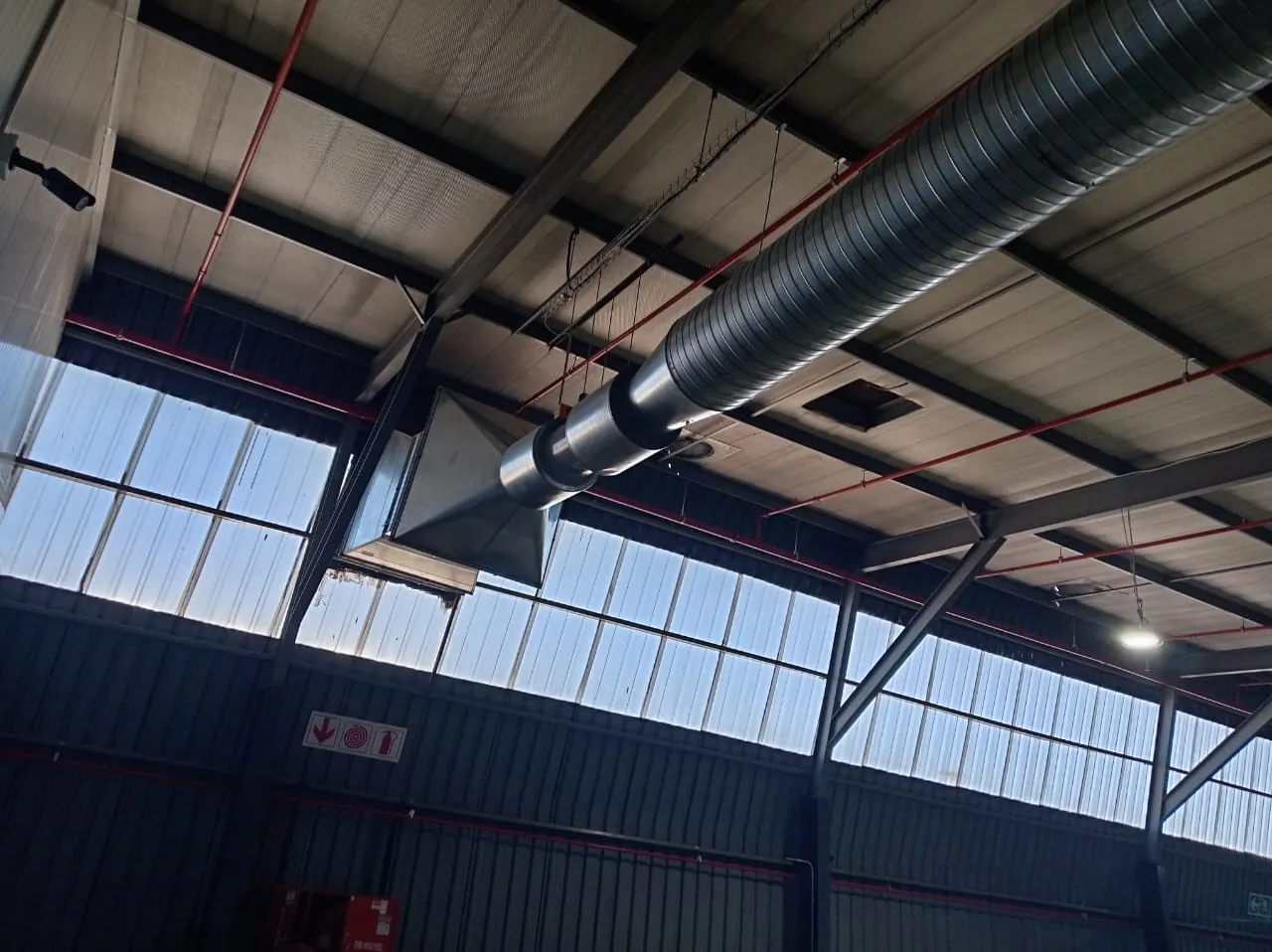
Leaks, drainage and accessibility
Ceiling stains can arise from condensate drain failures, damaged trays or poorly insulated surfaces. Repairs may require controlled ceiling access, protection of furniture and reinstatement arrangements. Where the original installation lacks service openings, maintenance access itself may be part of the remedial conversation.
Deciding what to replace
A correctly diagnosed fault may require a fan motor, control component, drain repair, duct modification or refrigeration repair. We discuss the extent of the work and any associated shutdowns before proposing replacements. Uneven air distribution is not a reason to automatically upsize the outdoor unit.
Describe the affected zones
Provide a plan or room list, which diffusers have weak airflow, equipment details, alarm codes, photos of ceiling access and the history of the problem. Mention any recent partition changes or building works.
Fault patterns and repair decisions
Uneven cooling in ducted premises may indicate disconnected branches, collapsed flexible duct, stuck dampers or inadequate return airflow. We start by comparing the affected rooms and the condition of the supply route before attributing the fault to refrigeration. Access panels and ceiling obstructions may determine how invasive a repair becomes. We ask for any recent fit-out changes, thermostat alarms and details of spaces that have never cooled satisfactorily. Repairs should be followed by checks at the actual occupied outlets.
Discuss your project with our team
Request an HVAC project assessment
Finding the cause before replacing equipment
A ducted air-conditioning system can suffer uneven room temperatures because of blocked returns, closed dampers, leaking ducts or changes to occupied space. The refrigerant circuit is only one possible cause of poor cooling. We review where the complaint occurs and how the ducts connect to the affected zones before proposing major equipment work.
A useful report identifies the unit model, thermostat readings, accessible grille locations and recent alterations to walls or ceilings. Repairs should preserve insulation and safe access to filters and dampers. After work, performance needs to be assessed across the served areas under realistic demand, not just at the nearest outlet.
Repair assessment and acceptance checks
When only the farthest room is uncomfortable, a defect in the distribution network may be more likely than a failed central cooling unit. We would review damper positions, duct leakage and return-air obstructions before recommending compressor-related repairs. Building alterations can change airflow after an otherwise successful installation. A site report should identify zones checked and remaining restrictions so the client can plan any ceiling or duct repairs accurately.