
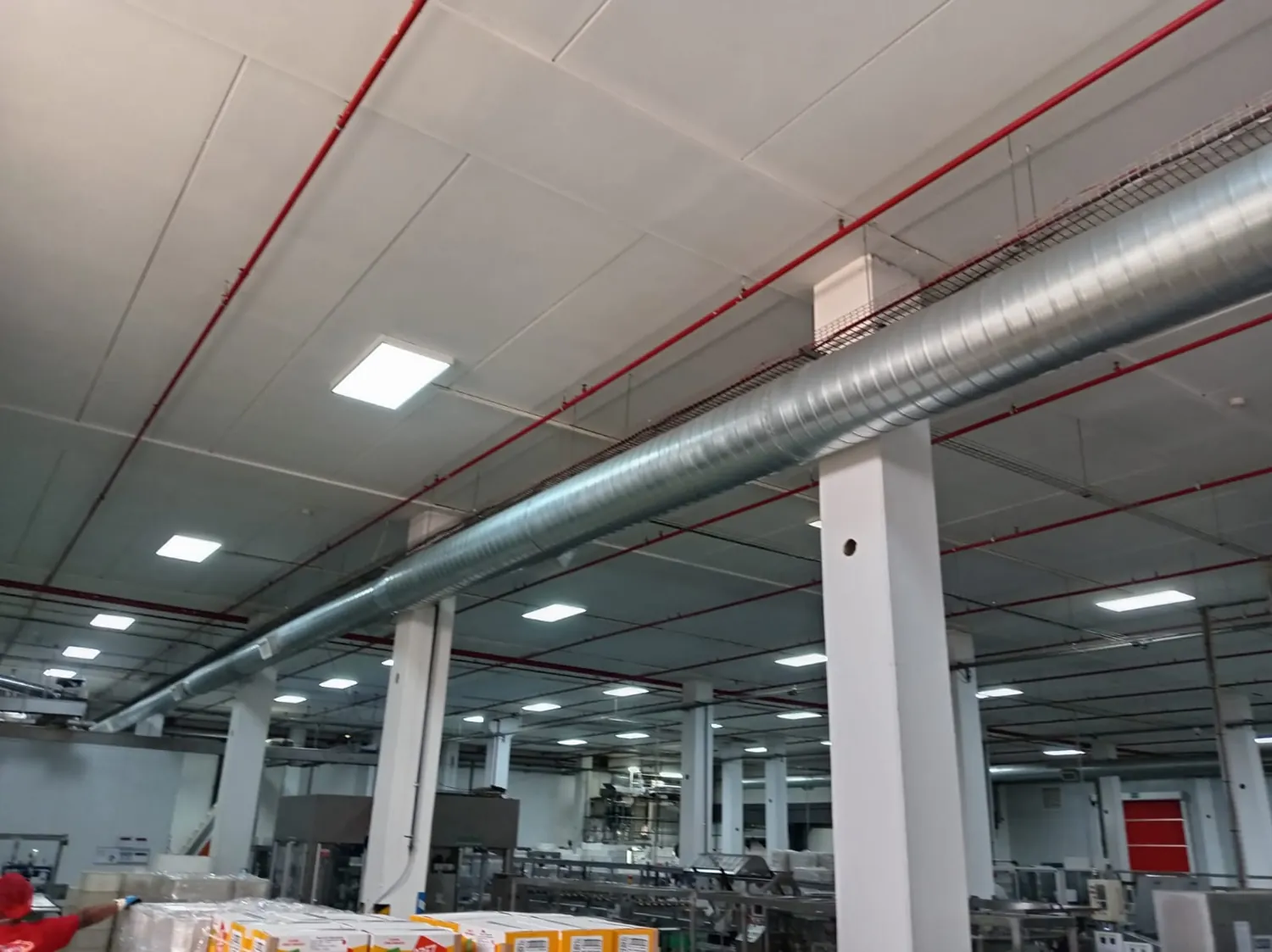
The work and operating conditions
Workshops and processing businesses in Mahikeng may need duct systems linking multiple capture points to a central fan or dust collector. Poor branch arrangement can limit extraction even when equipment is mechanically sound.
Structural beams, moving machinery and access corridors shape practical duct routes. Material type influences abrasion allowances, connection details and cleaning access.
How we investigate the requirement
We examine pickup locations, branch loads, duct velocities and pressure losses so that fabrication decisions follow the job requirements.
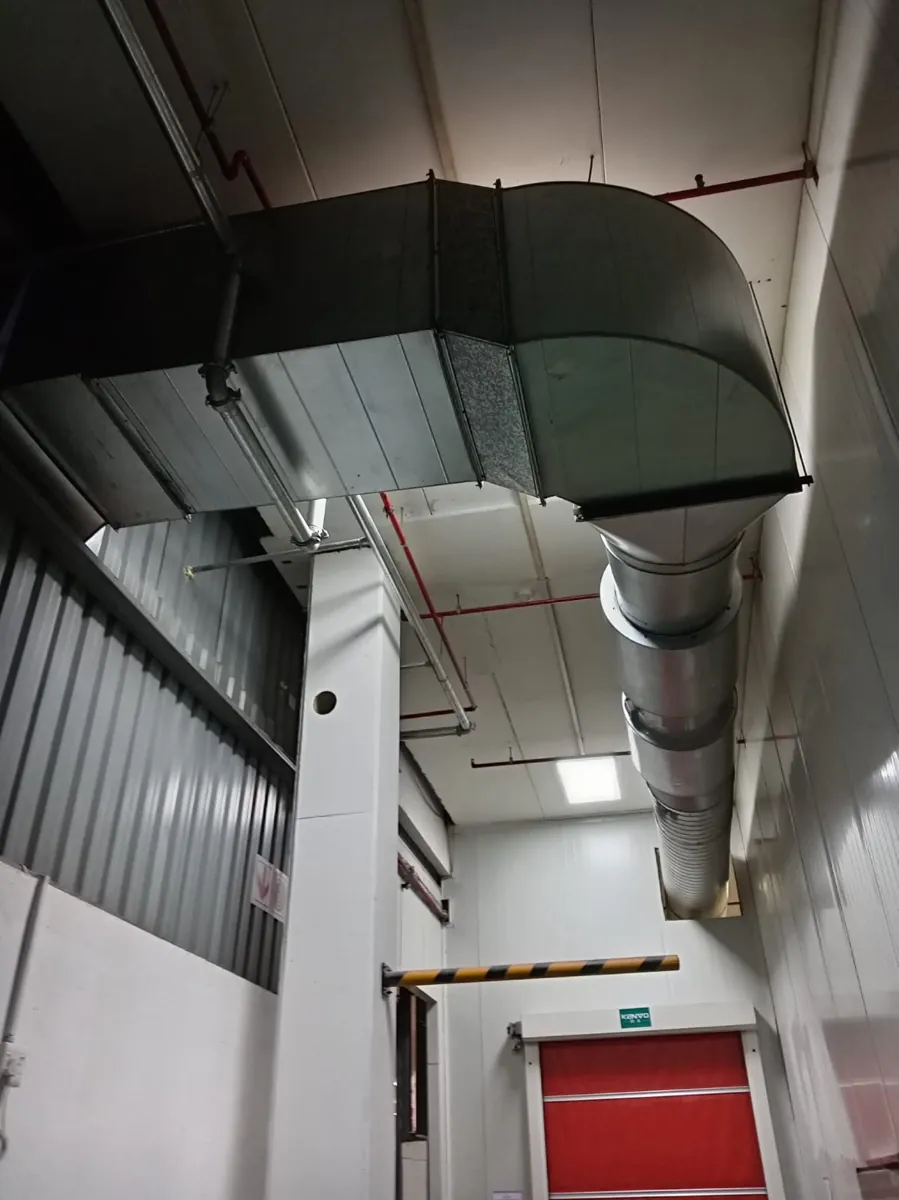
Manufacturing, installation and repair approach
Our ducting scope can include fabricated sections, supports, changes to existing routes, access points and tie-ins to suitable fans or collectors.
Site safety and equipment selection
Ductwork carrying hazardous or combustible dust requires material-specific assessment, suitable safeguards and competent installation planning.
Information to include in your quotation request
Provide a site layout, photos of obstacles, machine positions, process material and approximate distances between pickup points and the plant location.
Discuss your North West project
Call 070 602 7216 or request a project quotation.
Equipment and operating considerations
For Mahikeng workshops and processing premises, ductwork alterations may be required after new machinery changes the extraction layout. We assess whether the existing fan can handle the additional resistance and whether individual pickups need balancing. Leaking flanges and deposits at bends may explain poor capture even if the main fan works. Photographs of the route, connection sizes and any material transported help define replacement sections. The final arrangement must provide inspection and maintenance access.
Technical decisions that affect the result
Adding a new machine to an existing dust extraction network can reduce capture at every connected workstation if the original fan has insufficient pressure capacity. We review branch locations, dampers, elbow wear and leakage before recommending an extra duct run. The transported material also matters: coarse particles can settle at slow-moving sections while fine dust may escape through deteriorated joints.
For Mahikeng workshop ductwork, please show existing machine outlets, collector connections and the proposed new route. A repair quote should distinguish a damaged section from a wider balance problem, and any fabrication should include accessible cleaning locations. Supports, lifting access and machinery isolation need to be agreed before prefabricated pieces are brought to site.
Existing ductwork and installation interfaces
Replacement sections should be selected with the shop's existing fan capacity and future equipment plans in mind. We would compare the available route with beam positions and equipment clearances, then locate cleanout points where they can actually be reached. New branches may require balancing to avoid depriving older workstations of air. Agreeing the connection details before manufacturing limits avoidable site cutting and reduces the risk of creating an inaccessible leak point.