
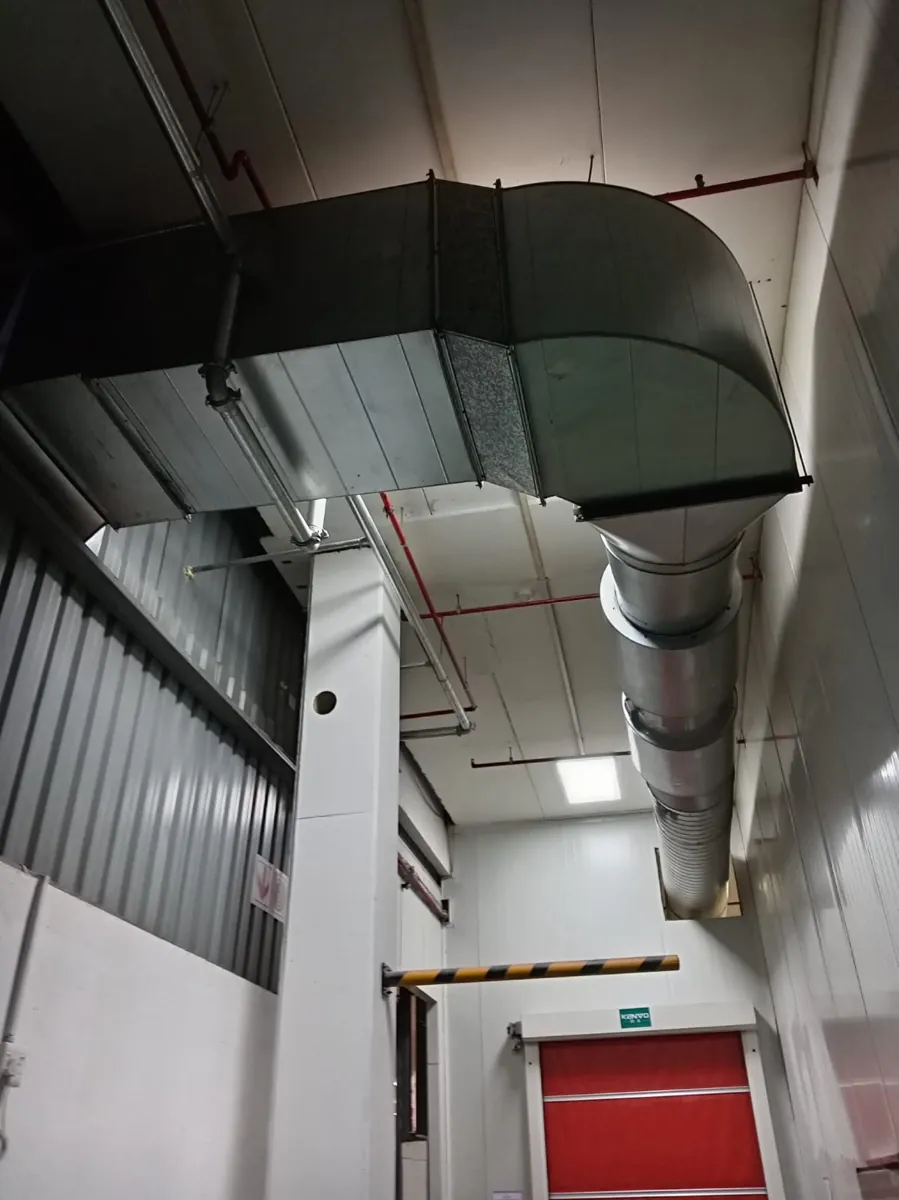
Maintain performance under industrial loads
Industrial air-conditioning units can be exposed to dust, thermal stress, airborne oils and operating schedules that accelerate deterioration. Maintenance needs to match the environment, not follow a generic calendar without inspection evidence. We help clients discuss a practical equipment register, access plan and service priorities for high-use industrial spaces.
Contamination and airflow
Coils, filters and drain systems may foul rapidly near production activities. Restricted airflow can reduce performance and worsen component temperatures, while blocked drains can cause water damage around sensitive equipment. Service planning should address the source of contamination and safe cleaning methods, not just surface appearance.
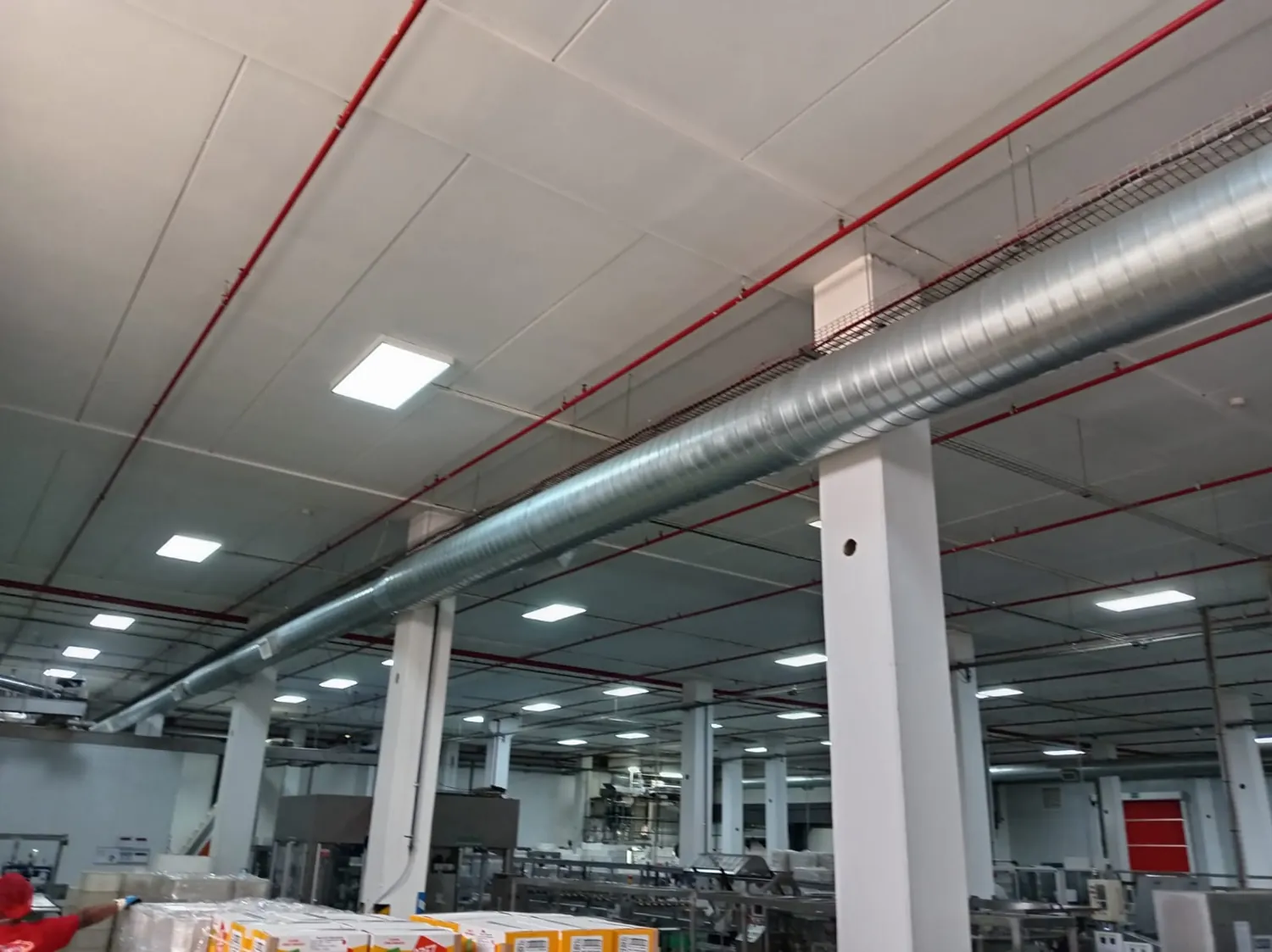
Controls, fans and refrigeration condition
Fan bearings, electrical connections, controls and condensate components require attention appropriate to the equipment. Signs of repeated refrigerant loss warrant investigation of leaks rather than routine topping up. Any work on refrigeration circuits should be carried out by personnel authorized and equipped for the task.
Coordinating visits with production
Some maintenance is possible while other parts of a facility operate; other activities require isolation and controlled access. We discuss service windows, rooftop access, site induction and escalation of urgent findings so planned work does not create avoidable production interruptions.
Set up a service review
Share a list of assets or site photos, process operating hours, history of coil contamination or failures, and any equipment supporting critical functions. We can then distinguish routine care from remedial work and define the scope for a maintenance quotation.
Equipment and operating considerations
A plant HVAC maintenance plan should identify which units support worker comfort and which affect production conditions. We consider equipment criticality, airborne dust, access permits and operating hours when arranging inspection tasks. Dirty heat exchangers, blocked drains and misconfigured controls can produce different performance complaints. Asset-level records make repeat faults easier to trace and help maintenance teams distinguish immediate repairs from scheduled replacements. Refrigerant and electrical interventions require appropriately qualified personnel.
Discuss your project with our team
Maintenance linked to operating risk
Plant equipment serving control rooms or temperature-sensitive activities needs a different priority from systems serving occasional-use spaces. The plan should consider equipment criticality, usage, contamination, drainage and access. We recommend logging temperature complaints, faults and recurring service issues to identify a trend rather than repeatedly treating symptoms.
Coordinating with engineering teams
We discuss isolation procedures, permit requirements, asset labelling and maintenance windows with the plant team. Documentation should make clear what has been inspected, what work was performed and what remains outstanding. Where system modifications are recommended, they should be scoped separately from routine maintenance.
Request an HVAC project assessment
Maintenance handover and site coordination
Preventive maintenance for an industrial HVAC installation should distinguish cooling of production equipment from comfort conditioning of offices. Their acceptable downtime and temperature requirements may be very different. We would record essential alarms and trend values where available, then plan access around the operating schedule. Outdoor units exposed to dust or process exhaust may require different cleaning priorities, while refrigerant and electrical interventions remain assigned to competent technicians.