What the work involves
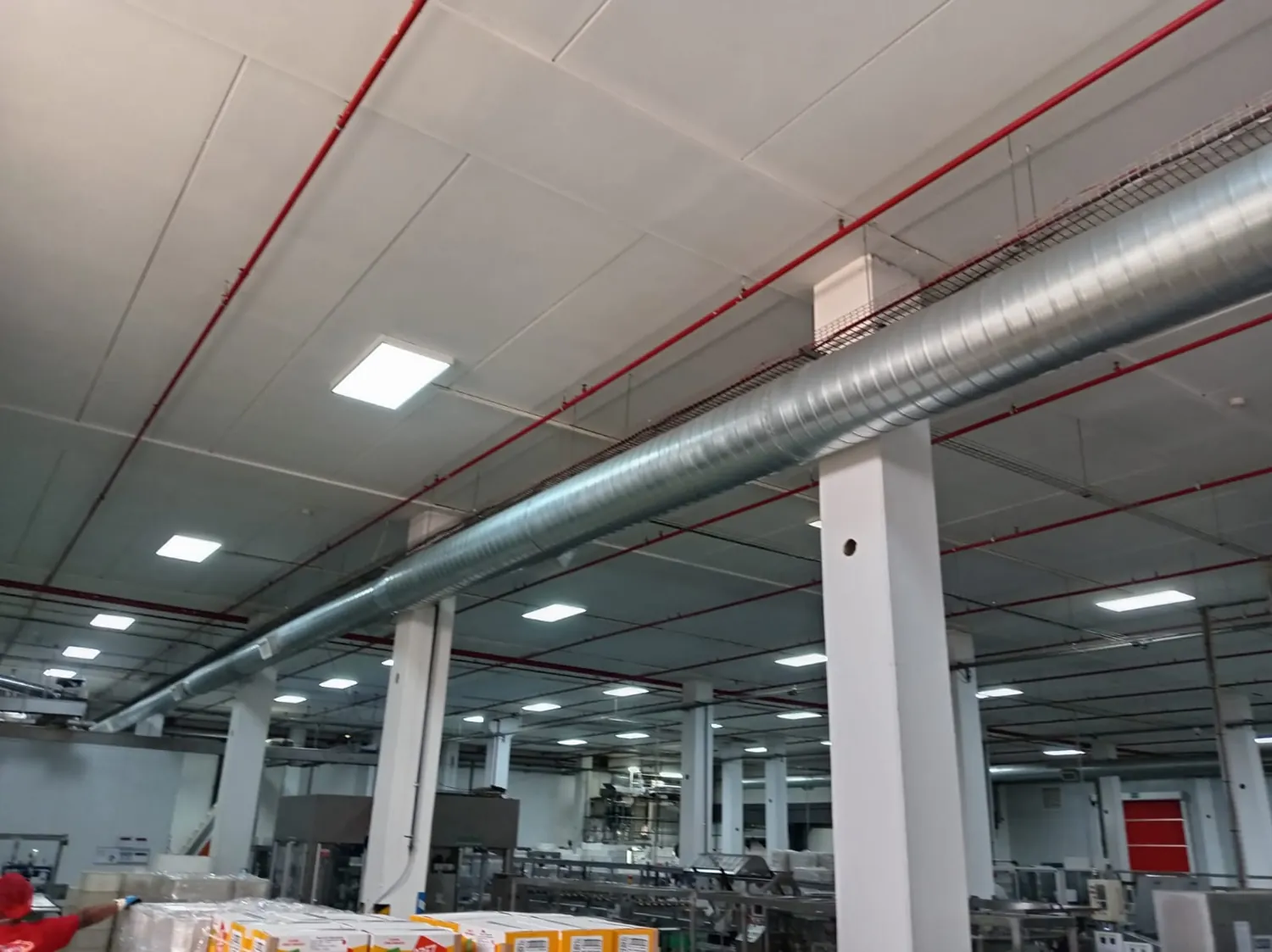
Workshops, maintenance premises and commercial production spaces in Makhanda may need exhaust and replacement air to manage heat, moisture and activities that produce fumes or dust.
Older buildings can constrain roof penetrations and place fans far from occupied zones. Where several rooms share one extract route, an unplanned modification may shift airflow away from another area.
Equipment assessment and diagnosis
We assess existing fans and ducting, the source and timing of the ventilation complaint, room openings and any plant that releases heat or airborne material.
Installation, fabrication or repair scope
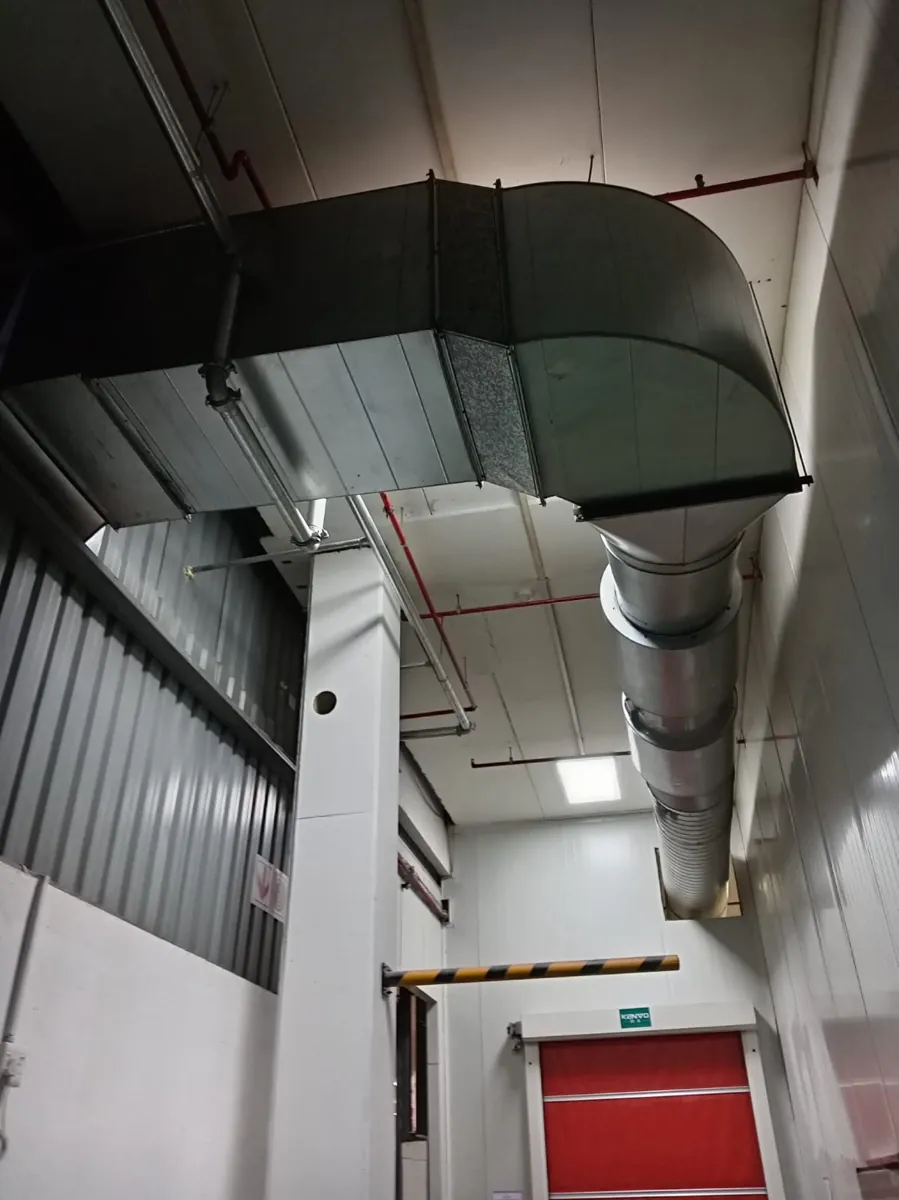
Options can include repair of existing extract units, revised duct branches, installation of commercial fans or separation of process extraction from general ventilation. A site survey will identify constraints before equipment is selected.
Technical suitability and safe operation
Any hazardous emissions must be assessed for appropriate local capture, exposure control and exhaust discharge rather than relying on general dilution.
Equipment and operating considerations
A Makhanda workshop with welding, machine heat or enclosed work areas needs ventilation planned around staff exposure and actual working patterns. Open doors can change draft direction throughout the day, which may undermine poorly positioned hoods. We ask where contaminants arise and whether general ventilation or local capture is the correct intervention. Building drawings, photos of roof openings and the worst operating conditions make the enquiry useful before any quotation is finalized.
Requesting a project quotation
Provide sketches or floor plans, room dimensions, photographs of plant and details of current systems and operating hours.
Related engineering service
View related technical services
Practical ventilation choices for the building
General ventilation for a workshop should follow the building's real operating pattern. A fan installed at the roof may have little benefit at occupied benches if incoming air bypasses those areas. We discuss the position of working stations, building openings and sources of heat or contaminants before reviewing equipment changes.
For Makhanda projects, please show the existing roof or wall units and describe where working conditions are worst. Activities involving welding, solvents or airborne process dust may require dedicated source extraction, not just a higher exhaust rate. An installation scope must also allow for secure supports, electrical isolation and reasonable access for cleaning and repair.
Airflow evaluation and equipment access
If fans discharge close to doors or windows that supply incoming air, extracted heat or contaminants can potentially re-enter the building. We consider this relationship during routing and outlet selection. A noise complaint may also arise from unsuitable fan selection or a loose support, not solely from fan age. These operational issues can be checked alongside airflow requirements before recommending more installed fan power.
The client should also identify who maintains the current fan controls, since poorly timed operation can create complaints even when the extraction hardware remains mechanically sound.