
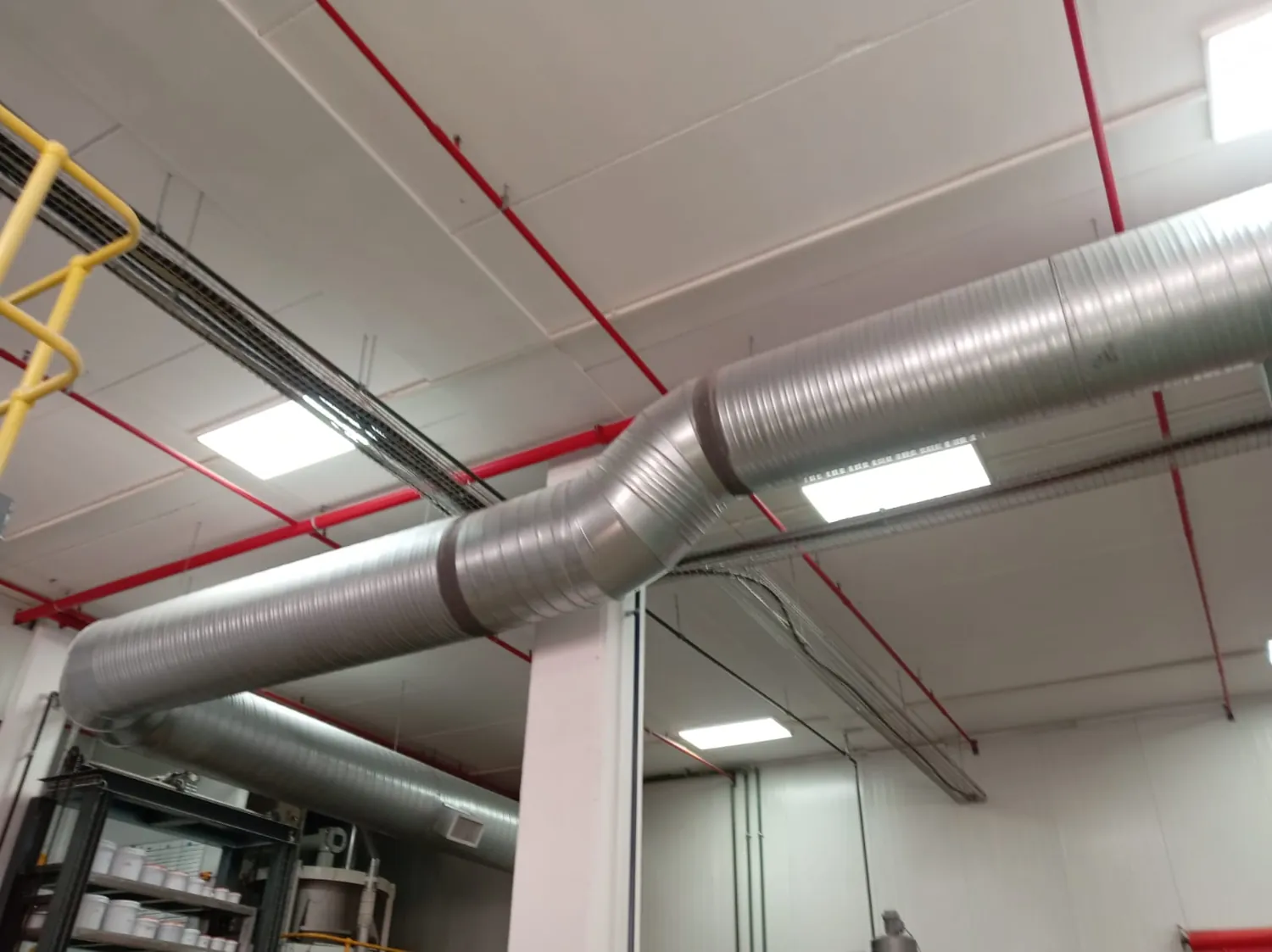
Equipment requirements and operating conditions
Restaurant ventilation works through long hours under heat, grease and changing demand. Preventive maintenance can identify fan, filter and duct issues before they disrupt a busy kitchen. We discuss planned service arrangements for exhaust and associated ventilation equipment with clear tasks and agreed access windows.
How we scope the work
Maintenance planning starts with equipment identification, number of exhaust systems, opening hours, access constraints and recorded faults. We consider fan condition, canopy filter arrangements, visible duct joints, motor operation and whether the kitchen has experienced recurring smoke or odour complaints. The service plan should reflect actual conditions rather than an arbitrary one-size-fits-all schedule.
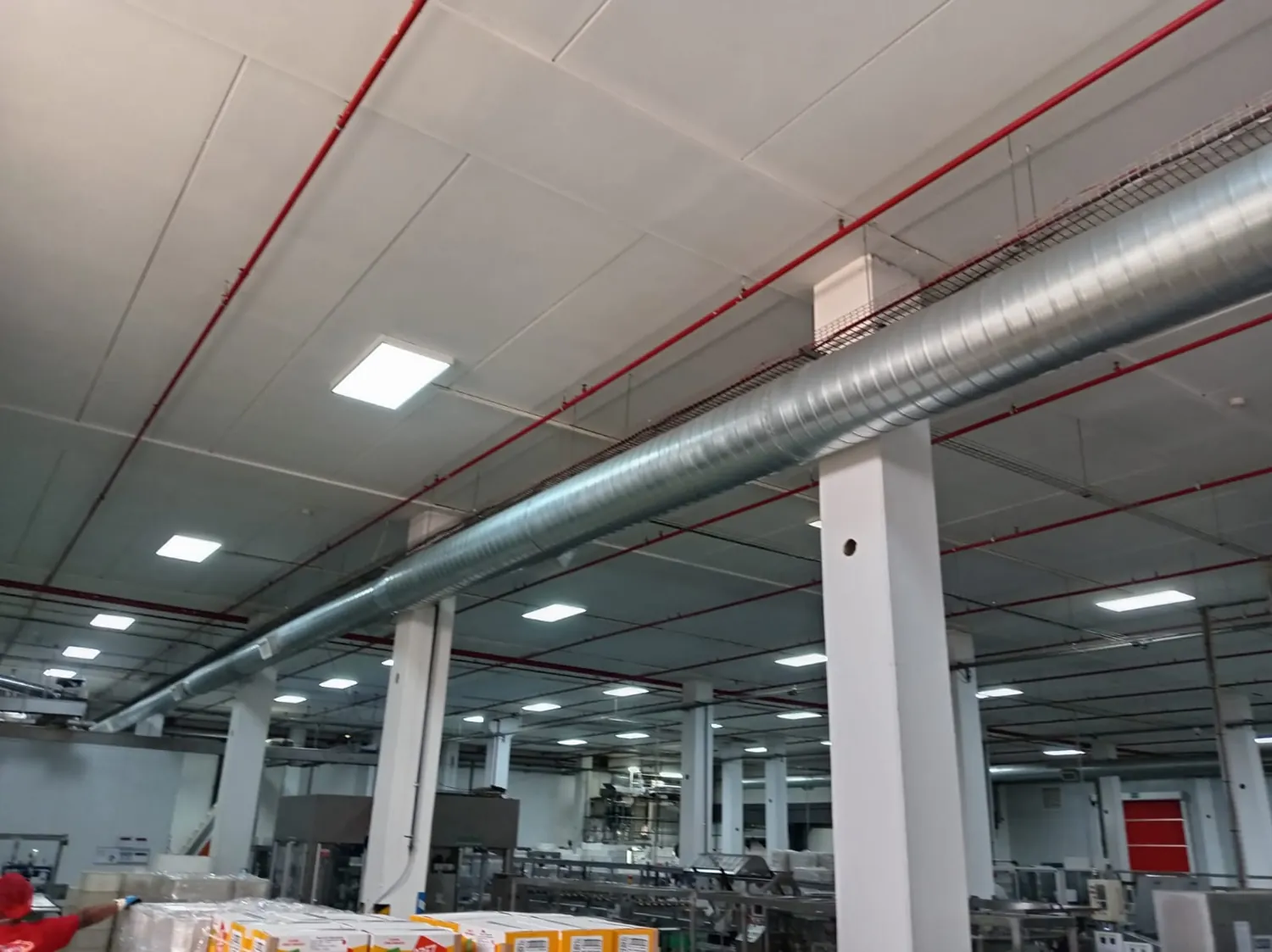
Manufacturing, installation or service approach
A practical programme can combine inspections, accessible component servicing, repairs arising from documented faults and coordination of cleaning where required. We distinguish routine attendance from major repairs, replacement parts and specialist compliance inspections in the contract scope. This helps facilities and procurement teams understand what they are buying.
Technical safeguards and limitations
Restaurant systems may require access at height and work around hot equipment, grease and electrical connections. Maintenance cannot substitute for applicable fire-safety obligations or statutory inspection duties. Any such responsibilities should be identified clearly with the client and assigned to competent parties.
What to provide for a quotation
For a proposal, share the site address, number of kitchens, visible equipment details, service history and preferred maintenance windows. Multi-site operators can provide a location schedule so each system's needs are considered rather than copied from a single restaurant.
Discuss the scope with our technical team
Keeping extraction reliable through service peaks
Restaurants often notice reduced performance only when all cooking equipment is active. A maintenance plan should consider motor condition, vibration, grease accumulation, filters, drive components and make-up air. We recommend documenting repeated faults and unusual noise so the underlying issue can be investigated before a busy service period.
Maintenance scope and scheduling
We discuss whether visits include accessible cleaning, fan mechanical checks, filter condition reviews and attention to controls, with any specialist services identified separately. For multi-site operators, comparable inspection records help maintenance managers identify recurring failures without assuming each kitchen has identical equipment.
Request a project quotation
Equipment and operating considerations
Restaurant ventilation maintenance should cover grease extraction and air balance, not simply the visible fan. A changing cooking menu or newly added equipment can alter plume capture requirements. We review filter condition, duct access points, roof fan performance and any complaints about doors pulling shut or smoke escaping. Scheduling must account for kitchen shutdown and safe access. Service records should state the inspected components and any cleaning or repair work still outstanding.
Maintenance handover and site coordination
Kitchen ventilation servicing must distinguish fan repairs, cleaning of grease deposits and changes to the supply-air arrangement. A system can have clean visible canopy filters while concealed duct sections remain obstructed. We would inspect available access and document the scope actually completed. The building operator should understand what requires further specialist attention, particularly where fire-protection or grease-exhaust obligations apply.